Chimney Sweep Frequency Guidelines for Milpitas Homes: Older Builds vs. Modern Construction
That faint smoky smell that lingers after your first fire of the season is easy to dismiss, but in Milpitas it is often the first sign that your flue is overdue for attention. Whether your home sits in one of the city’s post-war neighborhoods near Calaveras Boulevard or in a newer development off Abel Street, how often you need professional chimney cleaning depends on far more than a calendar. This guide breaks down the real frequency drivers for Santa Clara County homes so you can protect your fireplace, your family, and your investment.
Why Chimney Sweep Frequency Is Not One-Size-Fits-All
The National Fire Protection Association (NFPA 211) recommends that chimneys, fireplaces, and vents be inspected at least once a year and cleaned whenever deposits warrant it. That standard is a floor, not a ceiling. In practice, the right cleaning interval for a Milpitas home depends on fuel type, usage volume, appliance age, and the specific construction era of the house. A gas fireplace insert in a 2018 townhome and a wood-burning masonry fireplace in a 1960s ranch-style home on Piedmont Road are two entirely different maintenance conversations.
Understanding those differences is why our full chimney sweep service page walks through every variable before recommending a schedule. The sections below give you the framework to think through your own situation before we ever arrive at your door.
Older Milpitas Homes: What the Construction Era Means for Your Flue
Milpitas grew rapidly between the 1950s and 1980s as Silicon Valley’s workforce expanded. Homes built during that period typically feature traditional masonry chimneys, clay tile flue liners, and wood-burning fireplaces designed around the fuel and building codes of their era. Several decades of use, seismic activity, and California’s occasional temperature swings have left many of these flues in need of closer attention.
Common Conditions in Pre-1990 Milpitas Chimneys
- Deteriorating clay tile liners. Clay tiles crack over time, especially after the moderate seismic events that Santa Clara County experiences. Cracked tiles allow combustion gases and heat to reach the surrounding masonry, increasing risk.
- Accumulated creosote. Older fireplaces were often used as primary heat sources during cool Bay Area winters. Years of wood fires, particularly with green or wet wood, can leave heavy creosote deposits. See how to spot creosote buildup in your Milpitas fireplace before your next inspection.
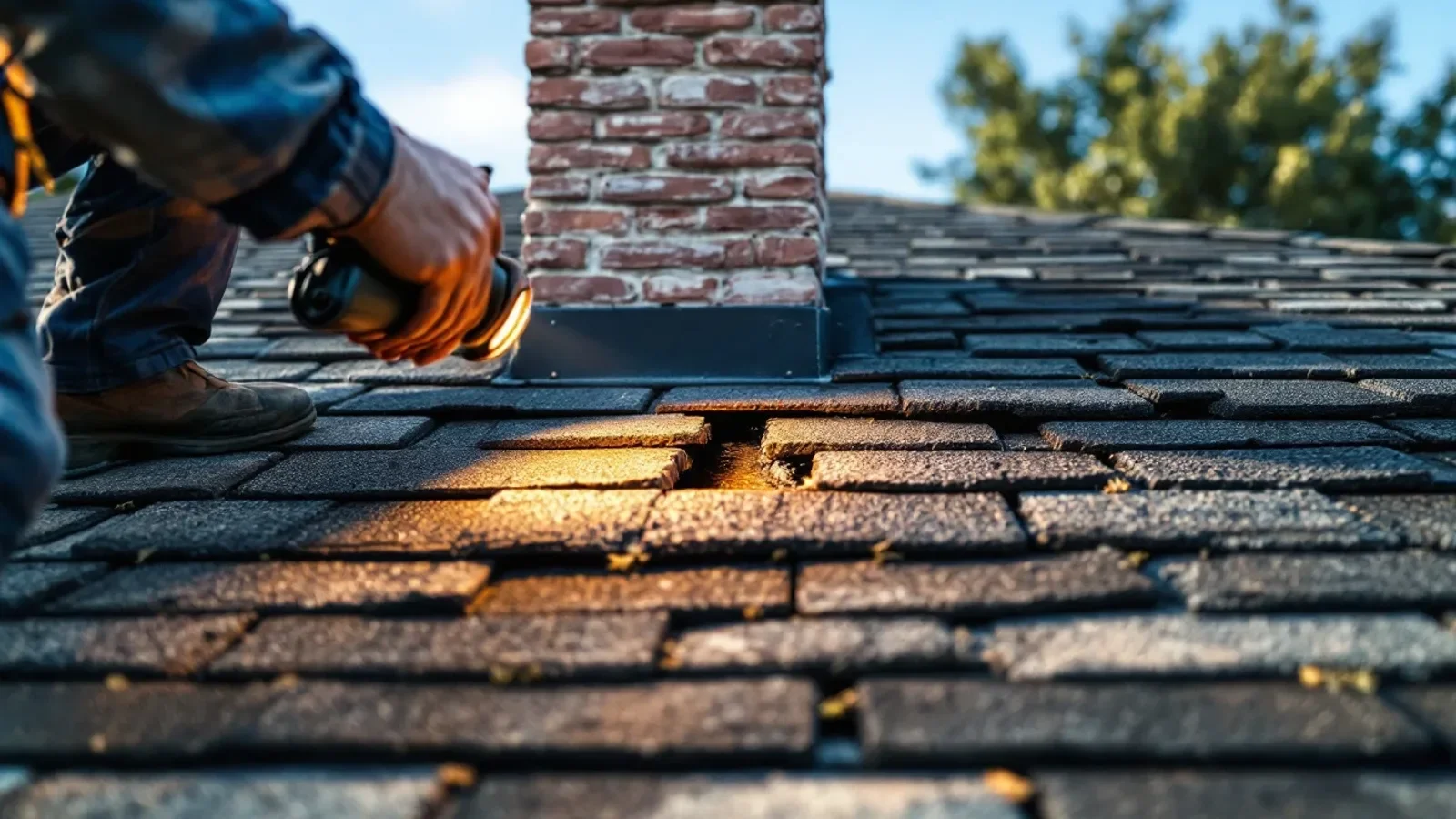
- Mortar joint erosion. The mild but persistent coastal moisture that reaches Milpitas from the Bay contributes to slow mortar degradation in older masonry systems.
- Damper and smoke chamber wear. Cast-iron dampers installed 40 or 50 years ago are frequently warped or corroded, reducing draft efficiency and making complete cleaning more difficult.
Recommended frequency for pre-1990 wood-burning fireplaces: Annual chimney cleaning is the minimum. If the fireplace is used more than a dozen times per season, a mid-season inspection is worth scheduling. If the unit has never been professionally inspected, treat the first visit as a Level 2 inspection regardless of apparent condition.
Modern Milpitas Homes: Lower Risk Does Not Mean No Risk
Homes built after roughly 1990 in Milpitas, including the master-planned communities that expanded toward the Berryessa BART corridor and the newer mixed-use developments near the Great Mall area, generally feature prefabricated (factory-built) fireplaces with metal flue systems rather than traditional masonry. These units are engineered to tighter tolerances and often paired with gas inserts or direct-vent appliances.
If you want it handled correctly the first time, consider professional chimney sweep inspection differences milpitas in Concord.
Frequency Considerations for Newer Construction
Prefabricated systems are not maintenance-free. Metal components expand and contract with each use, gaskets and seals degrade, and the firebox panels that protect the unit’s outer shell can crack after years of thermal cycling. Gas appliances produce less visible debris than wood fires, but they still generate moisture, carbon deposits, and occasional animal nesting material in the flue cap area.
- Gas-only appliances: Annual inspection is still the NFPA 211 standard. Cleaning may be needed every two to three years depending on use, but the inspection itself should not be skipped.
- Wood-burning prefab units: Treat these similarly to older masonry systems for cleaning purposes. Annual sweeping is appropriate for any household burning wood regularly.
- Infrequently used fireplaces: Even a fireplace used only a few times per year needs an annual inspection. Birds and squirrels active in the Milpitas foothills near Ed Levin County Park are known to nest in uncapped or damaged flue terminations.
The Milpitas Microclimate and How It Affects Your Cleaning Schedule
Milpitas occupies a transitional zone between the warmer, drier South Bay interior and the cooler, marine-influenced air that moves through the Calaveras Pass corridor. Winters here are mild compared to most of the country, which means most residents use their fireplaces occasionally rather than continuously. That usage pattern has a direct effect on chimney maintenance needs.
Occasional burning at low temperatures is actually harder on a flue than consistent high-heat fires. Low, smoldering fires produce more creosote per cord of wood burned because incomplete combustion deposits more unburned hydrocarbons on the flue walls. Milpitas homeowners who light a few atmospheric fires on cold December or January evenings using whatever wood is on hand, sometimes green or mixed-species wood from local landscape trimmings, are creating exactly the conditions that accelerate creosote accumulation.
Additionally, the Bay Area’s periodic drought cycles followed by wet winters create a cycle of drying and re-moistening in masonry structures that accelerates mortar erosion. After any particularly wet rainy season, older chimneys in Milpitas benefit from an inspection that specifically checks for water infiltration and spalling brick. Our Milpitas chimney inspection checklist covers exactly what a thorough post-season review should include.
Frequency Guidelines by Fuel Type and Usage Volume
The table below summarizes recommended chimney cleaning intervals for Milpitas homes based on the two most important variables: what you burn and how often you burn it.
| Fuel Type | Annual Uses | Recommended Cleaning Frequency | Notes |
|---|---|---|---|
| Seasoned hardwood | 1-10 | Every 1-2 years (with annual inspection) | Inspect annually regardless |
| Seasoned hardwood | 11-30 | Annually | Mid-season check if burning frequently |
| Seasoned hardwood | 30+ | Annually or twice per season | Heavy use warrants more frequent sweeping |
| Green or mixed wood | Any | Annually at minimum | Higher creosote risk; consider mid-season check |
| Natural gas (vented) | Any | Annual inspection; cleaning every 2-3 years | Inspect cap and liner annually |
| Gas logs (unvented) | Any | Annual inspection | Check for blockages and CO concerns |
| Pellet stove / insert | Any | Annually | Ash and clinker buildup varies by pellet quality |
These intervals assume properly seasoned wood where wood-burning applies. If you are unsure whether your firewood is adequately dried, that uncertainty itself is a reason to schedule a cleaning sooner rather than later.
Many Concord homeowners rely on expert chimney sweep inspection differences milpitas in Concord for exactly this.
Warning Signs That Mean You Should Not Wait for the Annual Schedule
Regardless of when your last chimney sweep was performed, certain observations call for an unscheduled service visit. Schedule a cleaning and inspection promptly if you notice any of the following:
- A strong, oily, or tar-like odor coming from the fireplace, especially during warm weather or after rain.
- Visible dark staining around the damper throat or on the firebox walls above the smoke shelf.
- Smoke entering the room during normal drafting conditions.
- A crackling or popping sound from inside the flue that is not related to the fire itself.
- White efflorescence (mineral staining) on the exterior masonry, which signals water infiltration.
- Visible debris, feathers, or animal sounds inside the flue.
Any of these signs, but particularly the odor and the smoke-entry issues, can indicate Stage 2 or Stage 3 creosote deposits or structural damage that requires professional attention. The creosote warning signs guide explains each stage in detail. If you are tempted to address any of these issues yourself, read about the real hazards of DIY chimney cleaning in Milpitas before picking up a brush.
Ready to schedule? Book your Milpitas chimney sweep and we will assess your specific system and usage before recommending the right cleaning interval going forward.
How to Choose the Right Chimney Service Provider in Milpitas
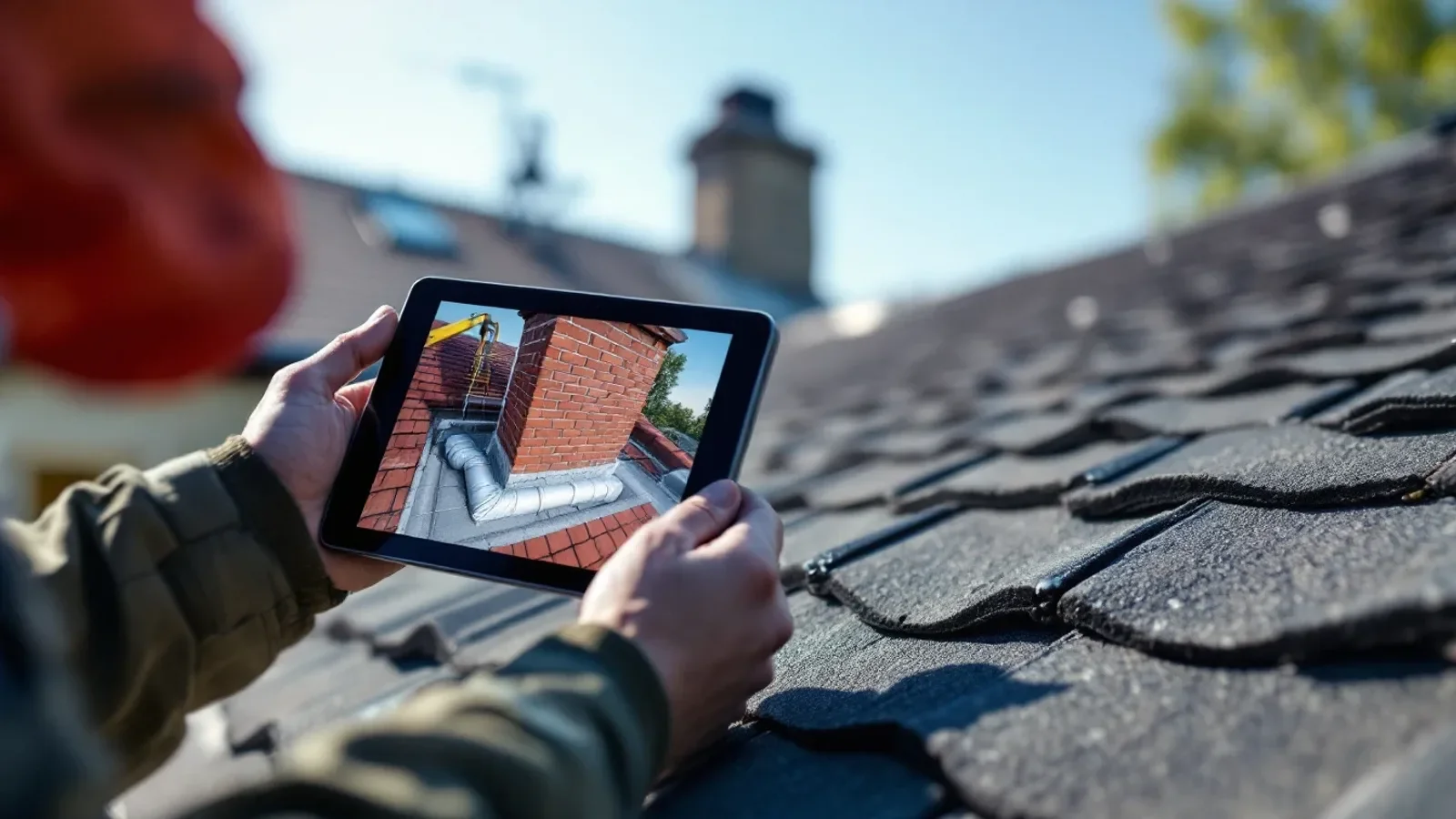
Frequency guidelines only matter if the cleaning itself is done correctly. When evaluating chimney services in the Milpitas area, look for technicians who perform a visual inspection before and after every cleaning, use drop cloths and commercial-grade HEPA vacuums to protect your home, and provide a written report of findings rather than just a receipt. A provider who rushes through the job without documenting the flue condition is not giving you the information you need to make good decisions about your fireplace. The guide to choosing a Milpitas chimney service covers the specific questions worth asking before you book.
After any professional cleaning, there are steps you can take to maintain the system between visits. Post-cleaning care for Milpitas fireplaces covers the simple habits that help you get the most from each service appointment.
Frequently Asked Questions
Ready for the next step? Learn how chimney sweep inspection differences milpitas services in Concord can help and reach out to the team.
How often should a Milpitas home get a chimney sweep if the fireplace is rarely used?
Even a fireplace used only once or twice a year needs an annual inspection. Debris, animal nesting material, and moisture damage can accumulate regardless of how little you burn. The inspection determines whether a full cleaning is needed that year.
Does a gas fireplace in a newer Milpitas home still need chimney cleaning?
Yes, though the interval between cleanings is typically longer than for wood-burning systems. Gas appliances still require annual inspection to check for blockages, liner integrity, and proper venting. Cleaning is usually needed every two to three years depending on use and findings.
What makes Milpitas homes different from other Bay Area cities when it comes to chimney maintenance?
Milpitas has a concentration of mid-century masonry fireplaces in its older neighborhoods, combined with a microclimate that produces occasional cool, damp winters that encourage low, smoldering fires. That combination creates above-average creosote accumulation risk relative to areas where residents either burn more consistently or not at all. The city’s seismic exposure also makes liner condition checks particularly important.
Can I sweep my own chimney to save money?
Light maintenance like clearing the area around the firebox is safe for homeowners, but actual flue cleaning involves working at height, handling fine creosote particles that require respiratory protection, and interpreting what you find inside the flue. Without the right equipment and training, DIY cleaning often misses the deposits that matter most and can spread contaminants through the home. A professional sweep is the safer and more thorough option.
What time of year is best to schedule chimney cleaning in Milpitas?
Late summer or early fall, before the first cold snap, is the most practical window. Scheduling in September or October means you get findings before you need the fireplace, and it is typically easier to book an appointment before the busy season begins. Spring cleaning after the last fire of the season is also a solid approach, particularly for wood-burning systems that accumulated deposits over winter.
How do I know if my chimney needs cleaning between annual appointments?
The clearest indicators are odor (a persistent smoky or tar-like smell from the firebox), visible dark buildup inside the firebox above the smoke chamber, and any reduction in draft performance. If smoke is entering the room under normal conditions, schedule a service visit rather than waiting for the annual appointment.
The Right Schedule Protects Your Home Year After Year
There is no single answer to how often a Milpitas home needs a chimney sweep, but there is always a right answer for your specific home, your fireplace type, and how you use it. Older masonry systems in the city’s established neighborhoods generally need annual cleaning and close monitoring for structural wear. Newer prefabricated systems need consistent annual inspections even when cleaning intervals can stretch a bit longer. And every fireplace, regardless of age or fuel type, benefits from a professional set of eyes at least once a year.
If you are not sure where your home falls on this spectrum, the easiest next step is a professional assessment. Schedule your chimney cleaning and inspection with our Milpitas team and get a clear, written picture of your flue’s condition and the maintenance schedule that makes sense for your home.