Is DIY Chimney Cleaning Safe for Milpitas Homes?
How hard can chimney cleaning really be? That question comes up every fall when Milpitas homeowners start thinking about their first fire of the season. The short answer is: it depends entirely on what is actually inside your flue. In the Bay Area foothills and tract neighborhoods of Santa Clara County, the combination of aging masonry, intermittent seasonal use, and a local bird population that treats unprotected flue caps as prime real estate means the inside of a chimney can hold far more than a little soot. Before you order a brush kit online, it is worth understanding what you might be walking into.
The Scenario That Plays Out Every Autumn in Milpitas
Picture a homeowner in one of the ranch-style homes built in the Sunnyhills or Hillcrest neighborhoods during the 1960s and 1970s. The fireplace has sat dormant since February. Summer is over, and the idea of a crackling fire sounds appealing. A quick search suggests that chimney cleaning is a straightforward DIY job: buy a brush, attach some rods, scrub downward from the rooftop, and vacuum the debris from the firebox below.
What that search does not mention is that a chimney in a home of that age may have original clay tile liners that have cracked along the mortar joints, or a damper that no longer seals properly, or a colony of swifts that nested over the summer and left behind organic debris that compounds the fire risk. None of those issues are visible from the firebox opening, and none of them are addressed by a brush and a shop vac.
This is the gap between DIY chimney cleaning and a proper professional service, and in Milpitas specifically, that gap carries real consequences.
Why Milpitas Chimneys Present Specific Challenges
Milpitas sits at the base of the Diablo Range foothills, and the city’s housing stock reflects several distinct eras of development. The older neighborhoods east of I-880, built in the postwar decades, tend to have traditional masonry fireplaces with clay flue liners. These liners were installed at a time when building standards were less stringent than current NFPA 211 guidelines, and after fifty-plus years of thermal cycling, they frequently show cracks, spalling, or separated joints.
Newer construction in areas like the Great Mall corridor and the mixed-use developments closer to Highway 237 more often features factory-built metal fireplaces with insulated steel flues. These systems have their own maintenance profile: the refractory panels inside the firebox can crack, the gasket seals on glass doors degrade, and the specialized brushes required for certain flue diameters differ from the standard round brushes sold at hardware stores.
Then there is the climate factor. Milpitas does not get the heavy, sustained fireplace use that colder inland climates see. Most households burn wood a handful of times per season, which sounds like good news for creosote accumulation. In reality, infrequent, low-temperature fires are more likely to produce Stage 1 creosote (dry and flaky) that transitions to Stage 2 (tar-like deposits) when the flue stays cool. A flue that warms up slowly because it is only used occasionally can allow condensation to mix with combustion byproducts, accelerating that transition. Knowing what you are dealing with before you start scrubbing matters. The warning signs of creosote buildup are worth reviewing before you decide whether brushing alone will be sufficient.
What DIY Chimney Cleaning Actually Involves
There is a version of chimney maintenance that homeowners can and should do themselves. Clearing ash from the firebox, checking that the damper opens and closes smoothly, confirming the chimney cap is in place, and changing out any air filters on gas insert units are all reasonable owner tasks. None of these require specialized tools or roof access, and none carry meaningful risk if done carefully.
The part that creates problems is attempting to brush the flue itself, particularly from the rooftop. Here is why that distinction matters:
First, accessing the roof of a single-story or two-story home to reach the chimney crown requires working at height on a surface that may be sloped, wet from morning dew (a common condition in Milpitas during the cooler months), or covered in debris. Falls from rooftops account for a significant share of serious home-maintenance injuries each year, and chimneys are almost never located at the easiest, flattest part of a roof to access.
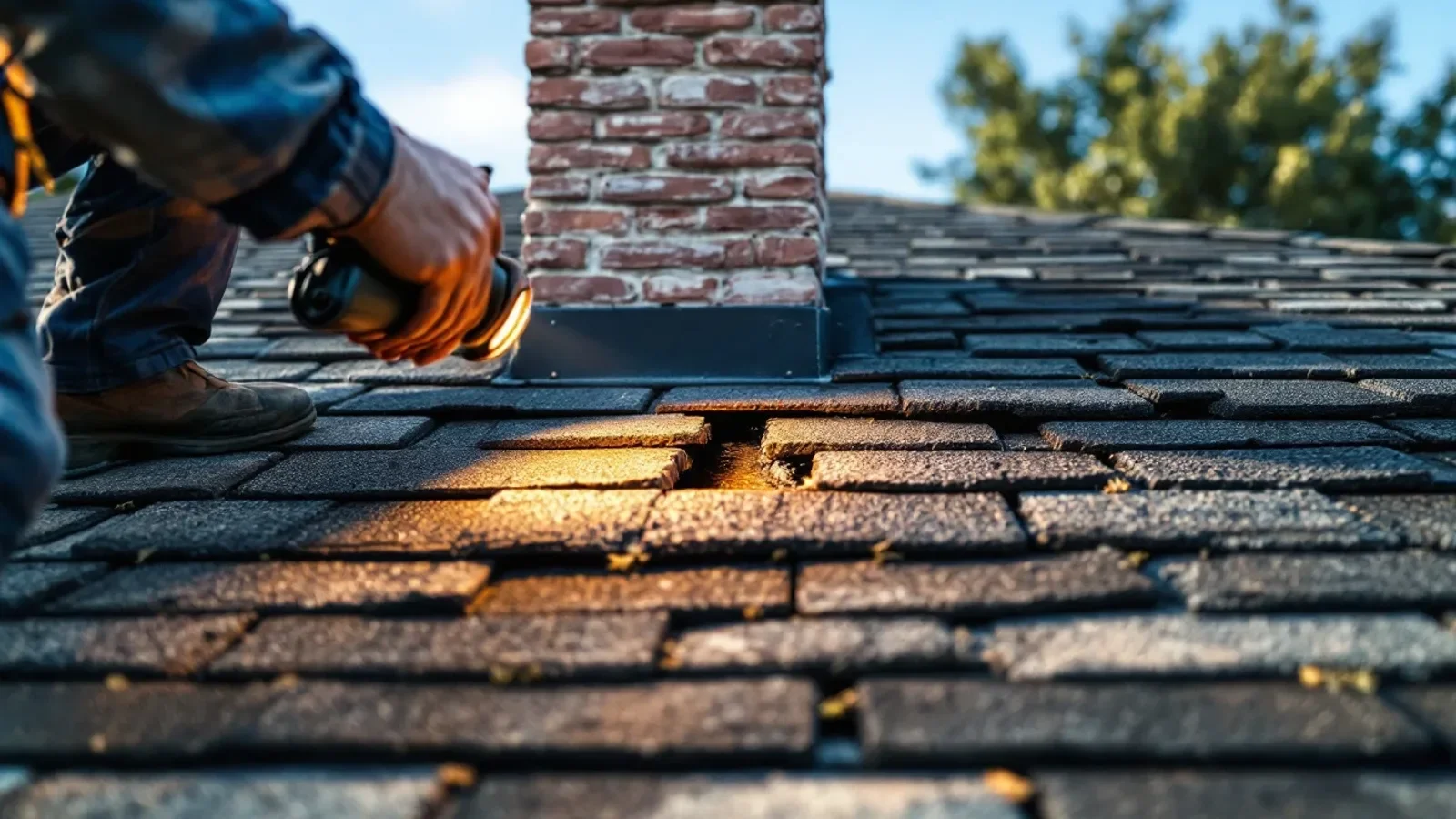
Second, brushing a flue without first inspecting it can dislodge debris in ways that cause more harm than good. If a clay liner has a crack, aggressive brushing can widen it. If there is a bird nest or other organic blockage partway up the flue, pushing a brush downward from the top can compact that material rather than clearing it. If Stage 2 or Stage 3 creosote is present, a stiff brush will not remove it, and the attempt to do so can flake off pieces that land in the firebox and create a fire hazard the next time the fireplace is used.
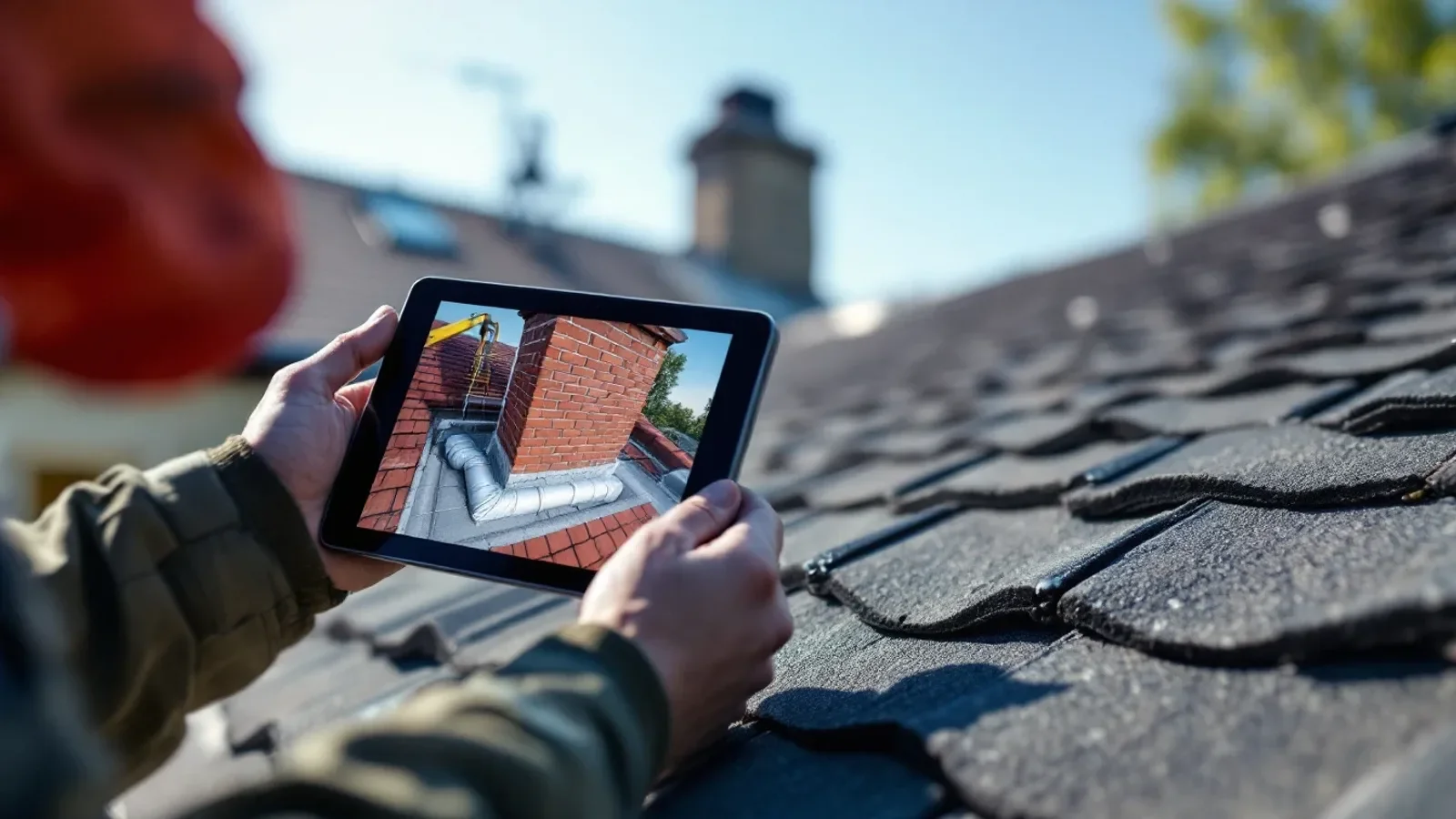
Third, without a proper inspection mirror, camera, or video scan, a homeowner has no reliable way to confirm the flue is actually clear after brushing. Feeling resistance or seeing debris in the firebox does not tell you what is happening six feet up in the smoke chamber or at the damper shelf.
Where Professional Service Adds What DIY Cannot
A professional chimney sweep does more than run a brush through the flue. The process typically begins with an inspection, either a Level 1 visual inspection for systems in continuous use or a more thorough Level 2 inspection for systems that have not been used recently, have changed fuel type, or have experienced any structural event. For older Milpitas homes that went through the 1989 Loma Prieta earthquake or any of the smaller seismic events that affect this part of Santa Clara County regularly, that inspection step is not optional.
The complete guide to chimney sweep frequency for Milpitas homes covers how inspection level recommendations shift based on home age and usage, but the core principle is that cleaning without inspecting first is working blind. A trained sweep can identify liner damage, deteriorated mortar joints, offset flue sections, and blockages that no amount of brushing would address and that a homeowner simply cannot see from the firebox opening.
Professional equipment also makes a meaningful difference. High-powered HEPA vacuums capture the fine particulate that a shop vac recirculates into the room. Rotary cleaning systems can address heavier deposits that a standard brush cannot move. And when Stage 3 creosote (the glazed, hardened form) is present, chemical treatments applied before mechanical cleaning are the only practical approach. None of that is available in a hardware store brush kit.
If you want it handled correctly the first time, consider professional chimney sweep inspection differences milpitas in Concord.
After the work is done, a good sweep will walk you through what was found, show you any areas of concern, and give you a clear picture of what the system needs next. That conversation is part of the service. The Milpitas chimney inspection checklist outlines what a thorough post-cleaning review should cover, and it is a useful reference for knowing what questions to ask.
The Real Cost Comparison
The appeal of DIY chimney cleaning is almost always framed as a cost-saving measure. And it is true that brushes and rods cost less than a professional service appointment. But the comparison only holds if the DIY attempt actually resolves the problem without creating new ones.
When a homeowner brushes a flue that has undetected liner damage, the cleaning does not fix the liner. When scrubbing dislodges a blockage partway instead of clearing it, the next fire can send smoke into the living space or, in a worse scenario, into wall cavities through a crack the homeowner did not know was there. Chimney relining, smoke damage remediation, and structural repairs all carry costs that dwarf a professional cleaning appointment. The Milpitas chimney sweep frequency guide puts this in context by explaining how regular professional cleaning actually reduces the likelihood of needing major repairs over time.
There is also the insurance dimension. Homeowner’s policies in California increasingly require documentation of chimney maintenance when a fire-related claim involves the fireplace. A receipt from a licensed sweep provides that documentation. A bag of soot from a DIY attempt does not.
What to Do Before Your First Fire This Season
If your Milpitas fireplace has not been professionally cleaned within the past twelve months, or if you have moved into a home and do not have records of prior service, the right first step is an inspection before any cleaning attempt, professional or otherwise. That inspection tells you what the flue actually contains and what level of service is appropriate.
If the inspection confirms only light, dry soot deposits and no structural issues, a straightforward cleaning is all that is needed. If it turns up heavier deposits or liner concerns, you will be glad you did not try to handle it yourself first. Once professional cleaning is complete, the post-cleaning care steps for Milpitas homeowners will help you keep the system in good shape between annual appointments.
There is also a practical middle ground worth mentioning: if you want to stay involved in your chimney’s maintenance, the best role for a homeowner is as an observer and record-keeper. Note when you use the fireplace, what type of wood you burn (seasoned hardwood produces less creosote than wet or softwood), and how the draft feels each time. That information is genuinely useful to a professional sweep and helps them calibrate cleaning frequency to your actual usage patterns rather than a generic schedule.
For a professional assessment of your Milpitas fireplace before the burning season begins, schedule a chimney cleaning and inspection with our local team to get a clear picture of what your system needs.
Frequently Asked Questions
Can I use a chimney cleaning log instead of having the flue brushed?
Chimney cleaning logs can help loosen dry, flaky Stage 1 creosote deposits, but they are not a substitute for mechanical cleaning or professional inspection. They do not remove debris, address blockages, or reveal structural issues inside the flue. They are best used as a supplemental measure between professional cleanings, not as a replacement for them.
How do I know if my Milpitas chimney has Stage 2 or Stage 3 creosote?
Stage 2 creosote looks like tar or shiny, hardened flakes and tends to cling to the flue walls rather than brushing off easily. Stage 3 is a glazed, almost lacquer-like coating. Without a flashlight and inspection mirror, it is difficult to assess from the firebox opening, which is one reason a professional inspection before cleaning is so valuable for homes in Milpitas where infrequent, low-temperature burning is common. The signs of creosote buildup article covers what to look for at the firebox level.
Is it safe to use my fireplace while waiting for a professional appointment?
If you have any reason to suspect a blockage, structural damage, or heavy creosote buildup, it is best to wait until after the inspection. A single fire in a compromised flue can cause smoke to back up into the home or, in the case of a cracked liner, allow heat and combustion gases to reach surrounding building materials. If the fireplace has been recently inspected and only light maintenance is due, a moderate fire is generally lower risk, but confirming that with a professional is always the safer call.
Do factory-built metal fireplaces in newer Milpitas homes need the same cleaning frequency as masonry fireplaces?
The general guidance from NFPA 211 applies to both: annual inspection, with cleaning as needed based on use. Factory-built systems have their own specific components, including refractory panels, gaskets, and proprietary flue sizes, that require attention during inspection. They are not maintenance-free simply because they are newer, and the brushes and tools appropriate for one system may not be suitable for another.
The Straightforward Answer
DIY chimney cleaning is not inherently reckless, but it is genuinely limited. For the light, accessible maintenance tasks that keep a fireplace tidy between professional visits, homeowner involvement makes sense. For the actual cleaning and inspection of the flue, especially in a Milpitas home with aging masonry, a history of seismic exposure, or an unknown maintenance record, professional service is the approach that actually addresses what is inside the chimney rather than what is visible from the firebox.
If you are ready to get your chimney inspected and cleaned before the season begins, reach out to our Milpitas chimney service team to arrange a time that works for you. Knowing what is in your flue before you light the first fire of the year is the kind of information that makes a real difference.