
Signs Your Milpitas Fireplace Has Creosote Buildup
Chimney fires ignite more quietly than most homeowners expect. The fire starts inside the flue, not the firebox, and by the time the smell reaches the living room, the situation is already serious. In Milpitas and across Santa Clara County, wood-burning fireplaces tend to see concentrated use during the cooler months from roughly October through March, which means creosote accumulates in a relatively short seasonal window. Because the Bay Area’s mild climate keeps annual burn hours lower than in colder inland regions, many Milpitas residents assume their chimney is fine year after year. That assumption is where the real danger lives.
Creosote buildup symptoms are widely misunderstood, and a surprising amount of common advice circulating online is simply wrong. This article works through the most persistent myths, explains what the warning signs actually look like inside a Milpitas home, and shows you when it is time to stop reading and start calling a professional. For guidance on how often those professional visits should happen, see our complete Milpitas chimney sweep frequency guide.
Myth: A Healthy Fire Means a Clean Chimney
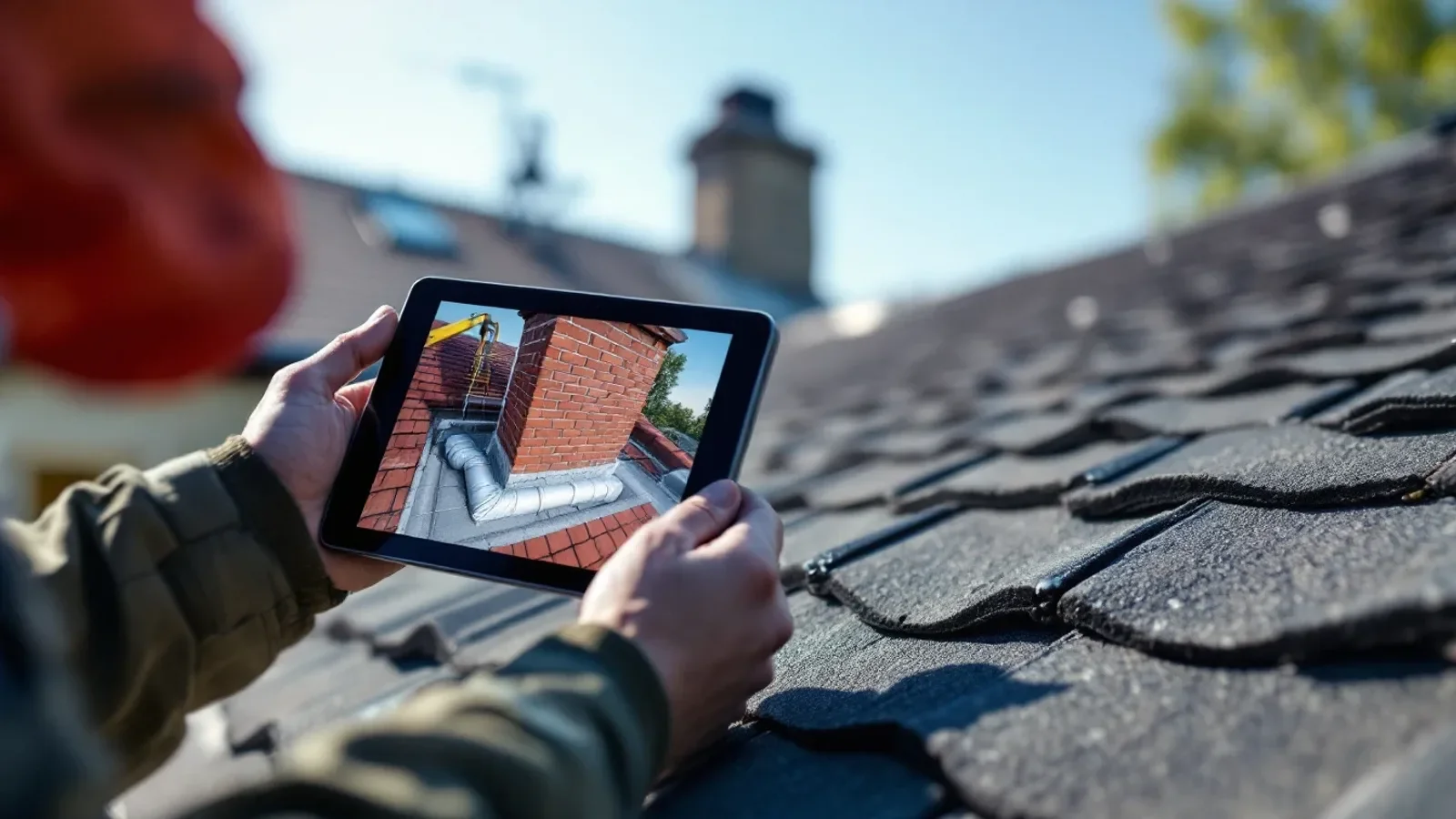
Reality: The appearance of your fire tells you almost nothing about what is coating the inside of your flue. Creosote forms as a byproduct of incomplete combustion, and it condenses on the cooler flue walls regardless of how bright or steady the flames look in the firebox below. A roaring, visually satisfying fire in a Milpitas living room can still deposit a fresh layer of tar-like residue higher up in the liner where temperatures drop. In fact, some of the most hazardous third-degree creosote, sometimes called glazed creosote, forms during long, slow burns that look perfectly normal from the hearth. The only reliable way to know what is inside the flue is a professional inspection with a flue camera or mirror.
Myth: You Would Smell Creosote Before It Became Dangerous
Reality: Odor is one signal, but it is unreliable on its own and often misread. Creosote does produce a distinctive smell, variously described as acrid, smoky, or resembling asphalt or burnt tar. In Milpitas, homeowners sometimes notice this smell more strongly in summer when warm, humid air from the South Bay pushes down the flue and carries the odor into the room. But the absence of a strong smell does not mean the flue is clean. Dry, hard first-degree creosote, which looks like flaky soot, has very little odor yet is still combustible. By the time a sharp, persistent smell is present without a fire burning, the deposit is typically well past the point where a simple cleaning will resolve it. Odor is a late-stage indicator, not an early warning system.
Myth: Black Residue Around the Firebox Is Just Normal Soot
Reality: Some darkening of the firebox interior is expected, but specific visual cues point directly to creosote rather than ordinary ash. Look for a shiny, tar-like coating on the damper plate or the lower section of the flue visible from the firebox opening. Glazed or oily-looking deposits that feel sticky to the touch are second-degree creosote and represent a meaningfully higher fire risk than dry, powdery soot. Flakes or chunks of black material falling into the firebox during or after a fire are another sign, often indicating that third-degree deposits are beginning to crack and shed. If you see any of these, stop using the fireplace and schedule a professional cleaning. Before you pick up the phone, it is also worth reviewing what a full chimney inspection covers so you know what questions to ask.
Myth: Creosote Only Builds Up If You Burn the Wrong Wood
If you want it handled correctly the first time, consider professional chimney sweep inspection differences milpitas in Concord.
Reality: Fuel choice matters, but it is only one variable. Burning wet or unseasoned wood dramatically increases creosote formation because a large portion of the fire’s energy goes toward evaporating moisture rather than generating heat, which cools the flue gases and encourages condensation. In Milpitas, sourcing properly seasoned hardwood can be inconsistent depending on the supplier, and firewood sold at local hardware stores or roadside stands is not always as dry as labeled. That said, even well-seasoned oak or almond wood will produce some creosote if the flue is undersized for the insert, if the damper is partially closed, or if the home is so well-sealed that the fire is starved of combustion air. Older Milpitas homes built before modern energy codes often have the opposite problem: drafty construction that allows cold outside air to chill the flue and increase condensation. The wood is one factor in a system, not the whole story.
Myth: A Gas Fireplace Insert Eliminates the Creosote Problem
Reality: Gas appliances do not produce creosote the way wood fires do, but the original masonry flue behind a gas insert can still accumulate debris, moisture damage, and even residual creosote from years of prior wood burning. In many Milpitas neighborhoods, homeowners converted wood-burning fireplaces to gas inserts during the 1990s and 2000s without having the flue professionally cleaned or relined first. The insert vents through the existing flue, which may still carry old deposits. Additionally, gas combustion produces water vapor and carbon dioxide, which can accelerate the deterioration of an unlined or deteriorating clay tile flue. Annual inspections remain important even after a fuel conversion, and the right chimney service provider will know how to assess both the appliance and the liner behind it.
Myth: If You Have Not Had a Chimney Fire, the Buildup Cannot Be That Bad
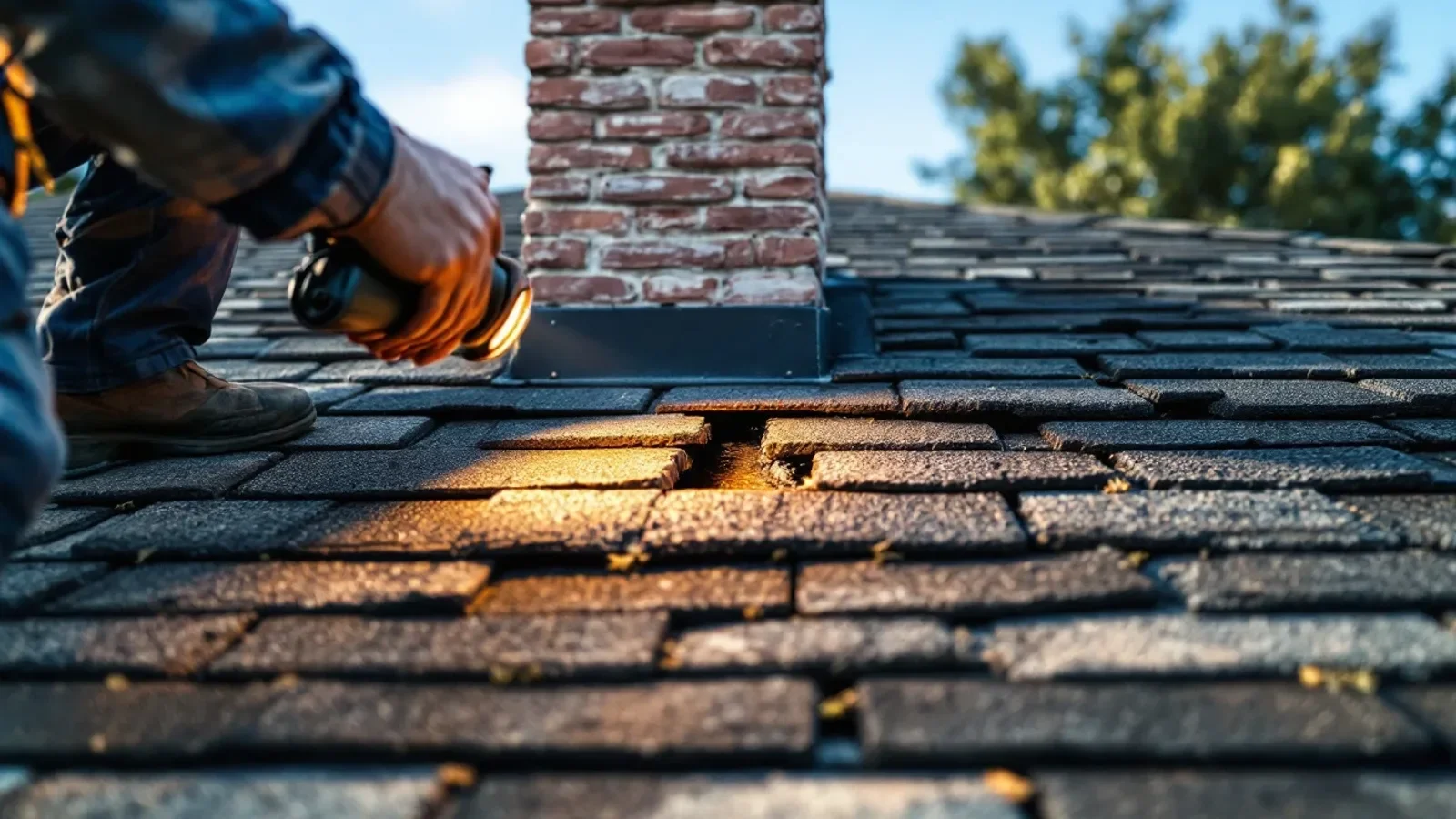
Reality: Many chimney fires go undetected. A low-intensity flue fire can burn through accumulated creosote without producing dramatic flames or audible crackling. Homeowners sometimes notice a strong smell, a brief period of unusually intense heat, or a popping sound and attribute it to the wood rather than the flue. The evidence shows up later during an inspection: cracked or spalled flue tiles, a honeycombed or blistered appearance on the liner, a distorted damper frame, or deposits with a puffy, expanded texture that indicates they have already burned once. In Milpitas, where older tract homes from the 1960s and 1970s often have original clay tile liners that have never been replaced, this kind of silent damage is more common than most residents expect. If your home has not had a professional inspection in several years, the absence of a dramatic event is not evidence of a clean system.
Myth: Chimney Cleaning Logs Are a Reliable Substitute for Professional Service
Reality: Chimney cleaning logs contain chemical additives designed to make dry, first-degree creosote deposits more brittle so they flake away. Used as a supplement to regular professional cleaning, they can help manage light accumulation between service visits. They are not, however, a substitute for physical cleaning. They do not remove the loosened material from the flue. They have no meaningful effect on second- or third-degree creosote. And they provide no information about the structural condition of the liner, the damper, or the crown. Homeowners who rely on them exclusively often discover during their first professional inspection in years that the flue contains both the original deposits and a layer of chemically-treated flakes that have simply settled lower in the liner. For a realistic picture of what professional service actually involves, the risks of skipping professional cleaning in Milpitas are worth understanding before making that decision.
Many Concord homeowners rely on expert chimney sweep inspection differences milpitas in Concord for exactly this.
Myth: You Only Need to Worry About Creosote If You Use the Fireplace Every Week
Reality: Frequency of use is one factor, but infrequent use creates its own set of problems. A Milpitas fireplace that is lit only a handful of times per season, which is common given the Bay Area’s mild winters, is still exposed to moisture intrusion, animal nesting, and the gradual oxidation of existing deposits. Creosote that has been sitting in a damp flue for months can become more adhesive and harder to remove than fresh accumulation. Bird and rodent nests, which are a genuine concern in Milpitas given the area’s year-round mild temperatures, can combine with residual creosote to create a highly combustible blockage. NFPA 211, the widely referenced standard for chimneys and venting systems, recommends at minimum an annual inspection regardless of how often the fireplace is used. That recommendation exists precisely because the risks do not disappear when the firebox sits cold.
The Milpitas Housing Context: Why Creosote Risk Varies by Neighborhood
Milpitas sits at the northern edge of Santa Clara County, bordered by the Diablo Range foothills to the east and the South Bay’s flat valley floor to the west. The city’s housing stock reflects several distinct eras of development. The oldest neighborhoods near the original downtown core contain homes from the 1950s and 1960s with original brick masonry chimneys, many of which have never had their clay tile liners replaced or inspected with modern equipment. These homes often have fireplaces sized for a different era of home heating, when wood was a primary fuel source rather than an occasional amenity.
The large tract subdivisions built through the 1970s and 1980s along Calaveras Boulevard and the areas near Milpitas BART represent a middle generation: homes with factory-built zero-clearance fireplaces and metal flue systems that age differently from masonry. These systems have specific manufacturer guidelines for cleaning intervals that are frequently ignored once the original homeowner sells. The newer developments near the Great Mall corridor and along the Interstate 680 corridor, built from the 1990s onward, are more likely to have gas-only inserts or no fireplace at all, though some include decorative wood-burning units with EPA-certified inserts.
The broader Milpitas climate, with its combination of cool, damp winters and warm, dry summers, means that flues experience significant seasonal moisture cycling. This cycling accelerates the deterioration of mortar joints and clay tile sections, which in turn creates rough surfaces where creosote clings more aggressively. Homeowners in the hillside areas to the east, where evening temperatures drop more sharply, tend to burn more wood per season than those in the valley floor neighborhoods, but the flue conditions in older valley homes can make even modest use consequential.
Frequently Asked Questions
What does creosote actually look like inside a fireplace?
It varies by stage. First-degree creosote looks like dry, gray or black flaky soot and brushes away relatively easily. Second-degree creosote is darker, harder, and may appear shiny or tar-like, especially on the damper plate or lower flue sections you can see with a flashlight. Third-degree creosote is a thick, glazed, or dripping deposit that can look almost like melted plastic and is extremely difficult to remove without specialized tools. Any deposit that looks sticky, shiny, or chunky warrants a professional evaluation.
Ready for the next step? Learn how chimney sweep inspection differences milpitas services in Concord can help and reach out to the team.
Can I check for creosote myself without a professional?
You can do a basic visual check of the firebox and the visible portion of the damper with a flashlight, but you cannot assess the full flue without a mirror or camera. What homeowners can realistically check at home is the damper plate and the first few inches of the liner above the smoke shelf. If you see anything other than a thin, dry, gray coating, or if you see chunks falling into the firebox, that is enough information to call a professional. The deeper sections of the flue require equipment and training to inspect safely.
How quickly does creosote build up in a Milpitas home?
The rate depends on fuel moisture content, burn temperature, flue temperature, and how often the fireplace is used. In a typical Milpitas home burning wood on cool evenings through the winter months, meaningful accumulation can occur within a single season, particularly if the wood is not fully seasoned or if the damper is partially restricted. Homes with older, unlined flues or those with a history of slow, smoldering fires tend to accumulate deposits faster than those with properly sized, well-maintained systems.
Is creosote smell dangerous on its own?
The smell itself is unpleasant but the primary hazard is combustibility, not inhalation in typical residential concentrations. That said, a persistent creosote odor when no fire is burning, especially during warm or humid weather, is a reliable signal that deposits are significant enough to warrant professional attention. It should not be masked with air fresheners or ignored until the next season. Schedule an inspection and cleaning before using the fireplace again.
After cleaning, how do I keep creosote from coming back quickly?
The most effective steps are burning only properly seasoned hardwood with a moisture content below roughly 20 percent, ensuring adequate combustion air by opening the damper fully before lighting, and warming the flue with a small starter fire before adding larger logs. Keeping fires burning at a moderate-to-hot temperature rather than letting them smolder also reduces condensation in the flue. For a full set of maintenance steps after a professional service visit, see our post-cleaning care guide for Milpitas homeowners.
When to Stop Reading and Make the Call
Recognizing creosote buildup symptoms is the first step, but the information only helps if it leads to action. If your Milpitas fireplace shows any of the signs described above, including shiny or tar-like deposits on the damper, chunks falling into the firebox, a persistent odor when the fireplace is cold, or a flue that has not been professionally cleaned in more than a year of regular use, the right move is a professional inspection and cleaning before the next fire.
Understanding how often that service should happen, and how the answer differs for older masonry chimneys versus factory-built metal systems, is covered in detail at our Milpitas chimney sweep frequency guidelines. Nation Wide Chimney Sweep and Repair serves Milpitas and the surrounding Santa Clara County area and can assess both the deposit condition and the structural state of your flue in a single visit. Contact us to schedule your inspection and go into the next burning season with confidence rather than guesswork.