
How to Choose a Qualified Chimney Sweep in Milpitas, CA
Most homeowners assume any chimney sweep who shows up with a brush and a vacuum will do the job properly. The reality in Milpitas is more nuanced. Santa Clara County’s housing stock spans post-war tract homes from the 1950s and 1960s, mid-century ranch-styles in Sunnyhills, and newer construction built under California’s stricter Title 24 energy codes. Each generation of home comes with different flue materials, liner conditions, and firebox configurations. A provider who cleans one type well may miss critical issues in another. Knowing how to choose a chimney sweep before you book is the difference between a clean flue and a false sense of security.
This guide breaks down the key factors that separate a genuinely qualified chimney service from one that simply goes through the motions, with a comparison framework you can apply before scheduling anyone to work on your home. For a deeper look at how cleaning frequency should vary based on your home’s age and fuel type, see our complete Milpitas chimney sweep frequency guide.
Credentials and Training: What Actually Matters
Chimney work in California does not require a single universal license, which means the barrier to hanging a shingle is low. What distinguishes a qualified provider is voluntary credentialing and demonstrated training. The Chimney Safety Institute of America (CSIA) offers a Certified Chimney Sweep designation that requires passing a written exam, demonstrating field knowledge, and completing continuing education. The National Fireplace Institute (NFI) offers parallel credentials for gas and wood-burning appliance specialists.
When evaluating a Milpitas chimney service, ask directly:
- Is your sweep CSIA-certified, and can you provide the certification number?
- Are technicians trained to inspect both masonry and factory-built (prefabricated) fireplaces?
- Does your company carry general liability insurance and workers’ compensation coverage?
- Can you provide a written inspection report after the visit?
A provider who hesitates on any of these questions is worth reconsidering. Insurance matters especially in Milpitas, where many homes are on slab foundations and interior access to flue systems can require working near finished ceilings and drywall.
Scope of Service: Cleaning vs. Inspection vs. Full Chimney Services
One of the most common points of confusion when choosing a provider is understanding what you are actually getting. A chimney cleaning removes combustion byproducts, primarily creosote and soot, from the flue liner. An inspection evaluates the structural and functional condition of the entire system, from the firebox and damper to the smoke chamber, liner, and crown. These are related but distinct services, and not every provider performs both to the same standard.
The National Fire Protection Association standard NFPA 211 defines three levels of chimney inspection. A Level 1 inspection is a visual check of accessible areas and is appropriate for a system that has been used normally with no changes. A Level 2 inspection includes video scanning of the flue interior and is required when a home changes ownership, after any chimney fire, or when a new appliance is being installed. A Level 3 inspection involves partial demolition and is reserved for serious structural concerns.
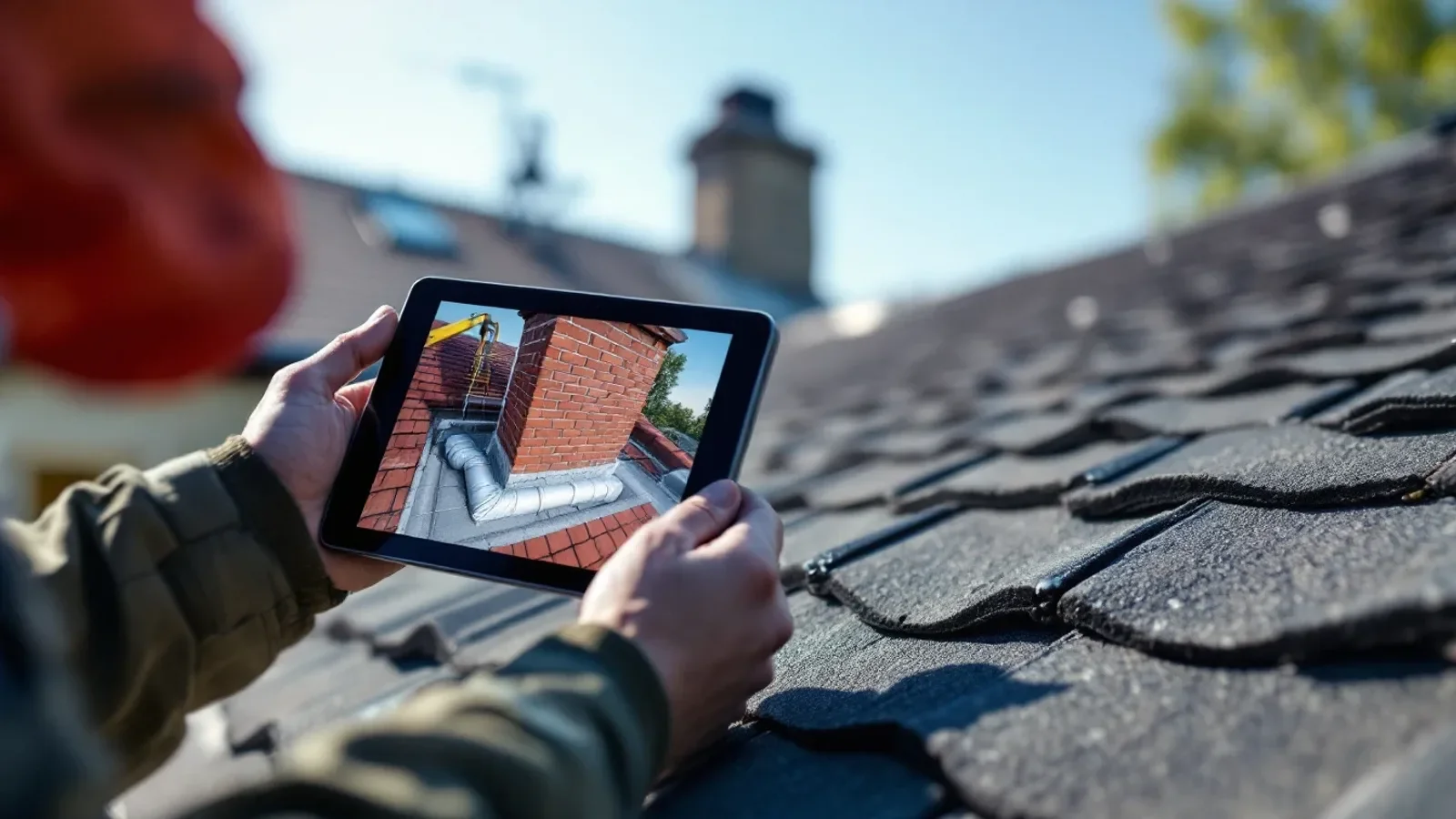
When you contact a Milpitas chimney service, ask which inspection level is included in their standard visit. Many providers bundle a Level 1 inspection with cleaning, which is appropriate for most annual maintenance. If you are buying or selling a home in Milpitas, or if your home was built before 1980 and has not had a recent video scan, ask specifically about a Level 2 inspection. Our Milpitas chimney inspection checklist walks through exactly what a thorough inspection should cover so you know what to expect.
Experience With Milpitas Home Types: Older vs. Modern Construction
This is the criterion most homeowners skip, and it is arguably the most important one for the Milpitas market specifically.
Older Homes (Pre-1980)
A significant portion of Milpitas’s residential neighborhoods, particularly areas developed during the city’s rapid growth in the 1960s and early 1970s, contain homes with original masonry chimneys. These systems often feature clay tile liners that have experienced decades of thermal cycling in the Bay Area’s mild but occasionally cold winters. Tile liners can develop hairline cracks that are invisible without a camera and that allow combustion gases to migrate into wall cavities. Older mortar joints in the smoke chamber may have deteriorated. Original dampers may not seal properly, allowing conditioned air to escape year-round.
If you want it handled correctly the first time, consider professional chimney sweep inspection differences milpitas in Concord.
A qualified sweep working in an older Milpitas home should be comfortable assessing clay tile liner integrity, checking the smoke shelf for debris accumulation, and evaluating whether the firebox dimensions and flue cross-section still match current NFPA 211 guidelines. If they cannot speak to these specifics, they may not have the experience your home requires.
Newer and Factory-Built Systems
Homes built in Milpitas from the 1990s onward, especially in planned developments near the BART corridor and along the Calaveras Road corridor, frequently feature factory-built (prefabricated) metal fireplaces rather than masonry construction. These systems have specific clearance requirements, proprietary chase covers, and manufacturer-specified liner components. Mixing parts from different manufacturers or failing to identify a damaged chase cover can compromise the system’s listed rating.
Ask any prospective provider whether their technicians are trained to work on both masonry and factory-built systems. The diagnostic approach and the tools used differ meaningfully between the two.
The Milpitas Market Context
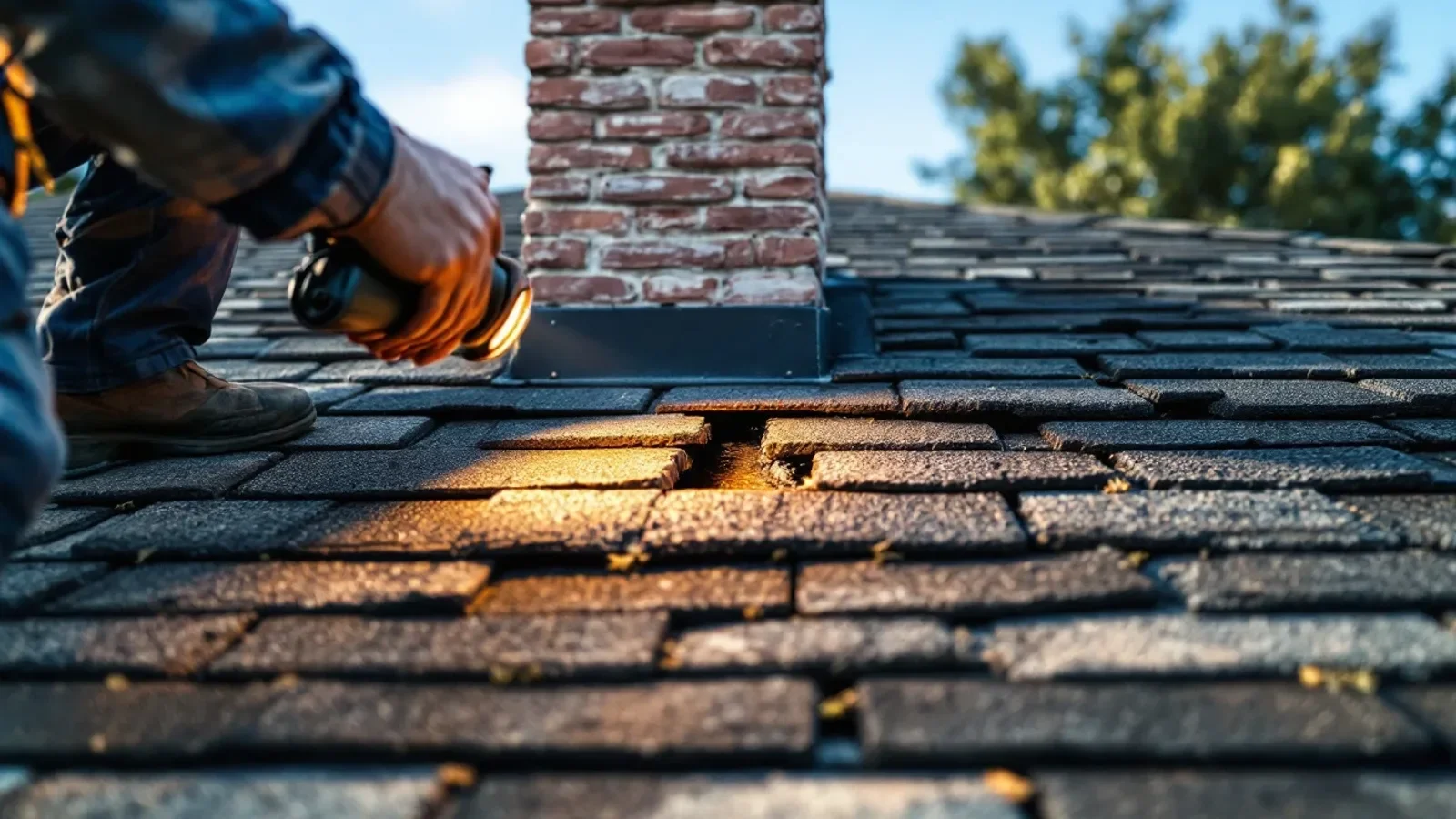
Milpitas sits at the northern tip of Santa Clara County, where the Diablo Range foothills meet the flat valley floor. Homes in the hillside sections of the city, including parts of the Hillview and Sunnyhills neighborhoods, can experience stronger wind patterns that affect draft performance differently than homes on the valley floor. A provider familiar with local geography will factor chimney height, surrounding tree canopy, and prevailing wind direction into their assessment rather than applying a one-size-fits-all checklist. Milpitas also sits in a high seismic zone, and older masonry chimneys in the area may have experienced movement from past earthquakes. A qualified sweep should note any visible signs of displacement or cracked crowns that warrant further evaluation.
Red Flags vs. Green Flags: A Side-by-Side Comparison
The table below summarizes the key differentiators to evaluate when comparing chimney service providers in Milpitas.
| Evaluation Criterion | Green Flag (Qualified Provider) | Red Flag (Proceed With Caution) |
|---|---|---|
| Credentials | CSIA-certified sweep; can provide certification number | Vague references to “years of experience” with no verifiable credential |
| Insurance | Carries general liability and workers’ comp; provides proof on request | Cannot confirm coverage or deflects the question |
| Inspection standard | References NFPA 211 levels; offers written report | No mention of inspection levels; no written documentation |
| Equipment | Uses camera system for flue inspection; HEPA-rated vacuum for cleaning | No camera capability; no mention of containment during cleaning |
| Home-type knowledge | Distinguishes between masonry and factory-built systems; asks about home age | Same process quoted for every home regardless of construction type |
| Transparency | Explains findings clearly; provides photos if camera is used | Verbal-only summaries; pressure to approve additional work on the spot |
Questions to Ask Before You Book
Beyond credentials and insurance, a short phone or email conversation can reveal a great deal about a provider’s professionalism. Consider asking these questions before scheduling any chimney service in Milpitas:
- What does your standard visit include? A clear answer should specify cleaning, the level of inspection included, and whether a written report is provided.
- Do you have experience with homes built in the 1960s and 1970s? This is directly relevant to much of Milpitas’s older housing stock and tests whether the provider understands clay tile liner issues.
- How do you contain dust and debris during cleaning? A professional will describe drop cloths, HEPA vacuums, and sealing the firebox opening before brushing. Soot and creosote particles should not be allowed to migrate into living spaces.
- What happens if you find a problem? A qualified provider will document findings, explain repair options, and give you time to make a decision. High-pressure same-day upselling is a warning sign.
- Can you provide references or reviews from Milpitas-area customers? Local experience matters, especially given the seismic and climate-specific factors described above.
If you want to understand what a thorough inspection should actually uncover, our guide to creosote buildup signs in Milpitas fireplaces covers the specific indicators a qualified sweep should be checking for during every visit.
Which Provider Is Right for Milpitas Homes?
Given the mix of housing types in Milpitas, the right chimney service is one that does not treat every job identically. An older masonry chimney in Sunnyhills needs a different diagnostic eye than a factory-built system in a newer townhome near Montague Expressway. The provider who asks about your home’s age and construction type before quoting a price is demonstrating the kind of attention that actually protects your home.
Many Concord homeowners rely on expert chimney sweep inspection differences milpitas in Concord for exactly this.
The credentials and process standards described above are not bureaucratic checkboxes. They exist because chimney systems that appear functional can harbor conditions, cracked liners, deteriorated smoke chambers, excessive creosote deposits, that only become visible with the right equipment and trained eyes. For context on why cleaning frequency itself varies by home type and usage, the Milpitas chimney sweep frequency guidelines explain how to calibrate your maintenance schedule based on your specific system.
It is also worth knowing what not to attempt on your own. Chimney cleaning involves working with creosote, a combustible byproduct that requires proper containment and disposal. Our overview of DIY chimney cleaning hazards in Milpitas outlines why professional service is the safer path for most homeowners, particularly those with older masonry systems.
Ready to schedule service with a qualified Milpitas chimney sweep? Book a professional chimney cleaning and inspection with Nation Wide Chimney Sweep and Repair to get a written report, camera inspection, and a technician who knows the difference between a 1965 clay-tile flue and a modern factory-built system.
Frequently Asked Questions
Does California require chimney sweeps to be licensed?
California does not have a single statewide license specific to chimney sweeping. Requirements can vary by municipality, so it is worth confirming with your local building department whether any permits apply to your specific project. Voluntary credentials like CSIA certification are the most reliable indicator of professional training in the absence of mandatory licensing.
How do I verify a CSIA certification?
The Chimney Safety Institute of America maintains a public directory of certified sweeps on its website. You can search by ZIP code or ask the provider for their certification number and verify it directly. A legitimate certified sweep will have no hesitation sharing this information.
Should I get a chimney inspection if I rarely use my fireplace?
Infrequent use does not eliminate the need for periodic inspection. Birds, rodents, and debris can obstruct flues even in unused chimneys, and masonry deterioration occurs independently of how often the fireplace is lit. Most chimney safety organizations recommend at least an annual inspection regardless of usage frequency.
What is the difference between a chimney cleaning and a chimney inspection?
A cleaning removes combustion deposits, primarily creosote and soot, from the flue interior. An inspection evaluates the structural and functional condition of the entire system, including components that are not affected by cleaning, such as the liner, crown, cap, and flashing. Both services address different aspects of chimney safety and are typically performed together during an annual maintenance visit.
How long does a professional chimney service appointment typically take?
A standard cleaning combined with a Level 1 inspection generally takes between one and two hours for a single-flue system. A Level 2 inspection with video scanning takes longer, often two to three hours, depending on the system’s complexity and accessibility. Homes with multiple flues or significant debris accumulation will require additional time.
What should I do to prepare my home before a chimney sweep arrives?
Clear the area around the fireplace of rugs, furniture, and decorative items. Make sure the fireplace has not been used for at least 24 hours so the firebox is cool. Provide the technician with any history you have about the system, including when it was last serviced, any repairs that have been done, and whether you have noticed any draft or odor issues. This context helps the sweep prioritize what to look for during the inspection.
A Final Note on Post-Service Care
Choosing a qualified chimney service is the first step; knowing what to do after the appointment is equally important. Our post-chimney-cleaning care guide for Milpitas homes covers how to maintain your fireplace between professional visits so that each annual service starts from the best possible baseline.
Nation Wide Chimney Sweep and Repair serves Milpitas and the surrounding Santa Clara County area. Contact us to schedule your inspection and cleaning with a provider who understands both the older masonry systems and the modern factory-built fireplaces common throughout this city.