What to Expect During a Chimney Inspection in Milpitas
Creosote accumulates quietly. Between one burning season and the next, a flue that looks clean to the eye can develop a glazed, highly flammable coating that no homeowner in Milpitas would ever notice without a trained technician and the right lighting. Left unaddressed, that buildup narrows the draft, traps carbon monoxide, and creates the conditions for a chimney fire that can spread to the framing of the home before a smoke alarm ever sounds. That silent progression is exactly why a structured chimney inspection checklist exists, and why scheduling one before each heating season makes practical sense for Santa Clara County households.
This guide walks through every stage of a professional inspection so you know what the technician is doing, what they are looking for, and what their findings mean for your home. If you are already weighing how often your specific fireplace type needs attention, the Milpitas chimney sweep frequency guide covers usage-based scheduling in detail. For now, let’s focus on the inspection process itself.
Before You Start: What You Will Need to Prepare
- Clear access to the firebox. Remove ash, grates, and fireplace tools from the hearth area so the technician can work without obstruction.
- Attic or roof access (if applicable). Some inspection stages require the technician to view the crown, cap, and flashing from above. Confirm whether a ladder or attic hatch is available.
- Recent burn history. Think through how many fires you burned last season, what type of wood you used, and whether you noticed any unusual odors, smoke rollback, or draft problems. This context shapes where the technician focuses attention.
- Documentation of past repairs. If your Milpitas home has had flue relining, damper replacement, or masonry work done previously, share those records. Knowing what changed helps the inspector assess whether prior work is holding up.
- Pets and children secured. The inspection involves brushes, cameras, and drop cloths. A clear workspace protects both your household and the technician’s equipment.
- About 60 to 90 minutes set aside. A thorough inspection of a single-flue system in an average Milpitas home typically takes this long. Multi-flue systems or those with complex masonry may take longer.
Step 1: Review the Exterior and Roofline
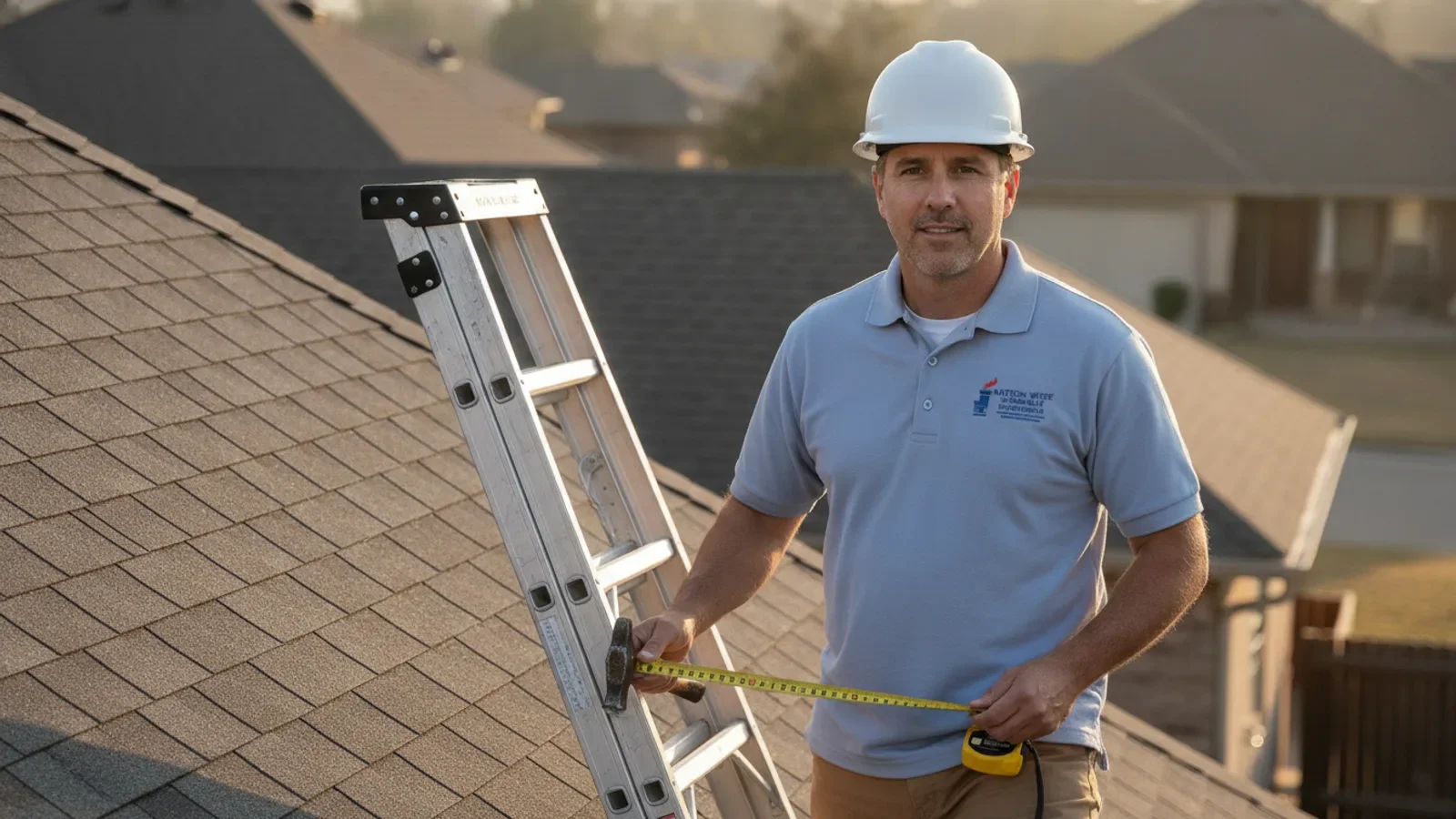
Every inspection begins outside. The technician walks the perimeter of the home and examines the chimney stack from ground level before ever going onto the roof. They are looking at the mortar joints between bricks or stones for cracking and spalling, the overall plumb of the structure, and any visible staining that might indicate water intrusion. In Milpitas, where seismic activity is a real part of life along the Calaveras and Hayward fault systems, exterior masonry often shows stress fractures that are easy to miss from the street but become obvious under close inspection. Even a modest tremor can shift the crown or crack the flue liner without visibly damaging the exterior brickwork.
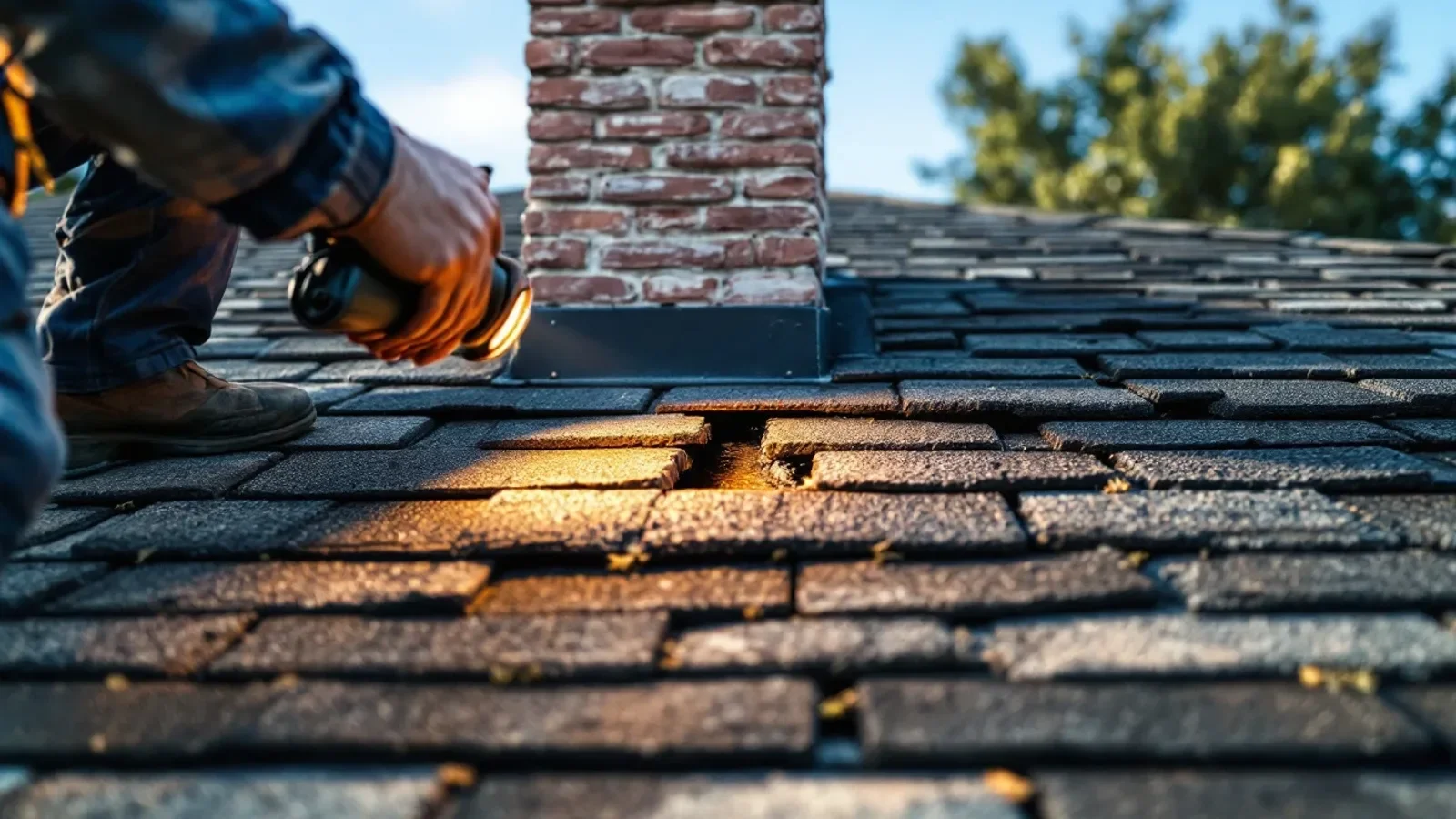
If the roofline is safely accessible, the technician will climb to examine the chimney cap, spark arrestor, and flashing. A damaged or missing cap allows rain, debris, and wildlife into the flue, all of which accelerate deterioration. Flashing failures are among the most common sources of water damage in Milpitas attics, particularly in homes built before modern waterproofing membranes became standard.
Step 2: Inspect the Chimney Crown and Cap
The crown is the concrete or mortar slab that seals the top of the chimney stack around the flue opening. It is designed to shed water away from the brick and toward the roof, but it cracks over time from thermal expansion and contraction. Even small crown cracks allow moisture to wick into the masonry, and in the Bay Area’s alternating wet winters and dry summers, that freeze-thaw-dry cycle accelerates deterioration faster than in more temperate climates.
The technician will probe any cracks they find and assess whether a sealant application will suffice or whether the crown needs to be rebuilt. They will also check that the spark arrestor screen is intact and free of nesting material. Starlings and other birds are frequent visitors to uncapped Milpitas chimneys, and a blocked flue is a carbon monoxide risk every time the fireplace is used.
Step 3: Camera-Scan the Flue Liner
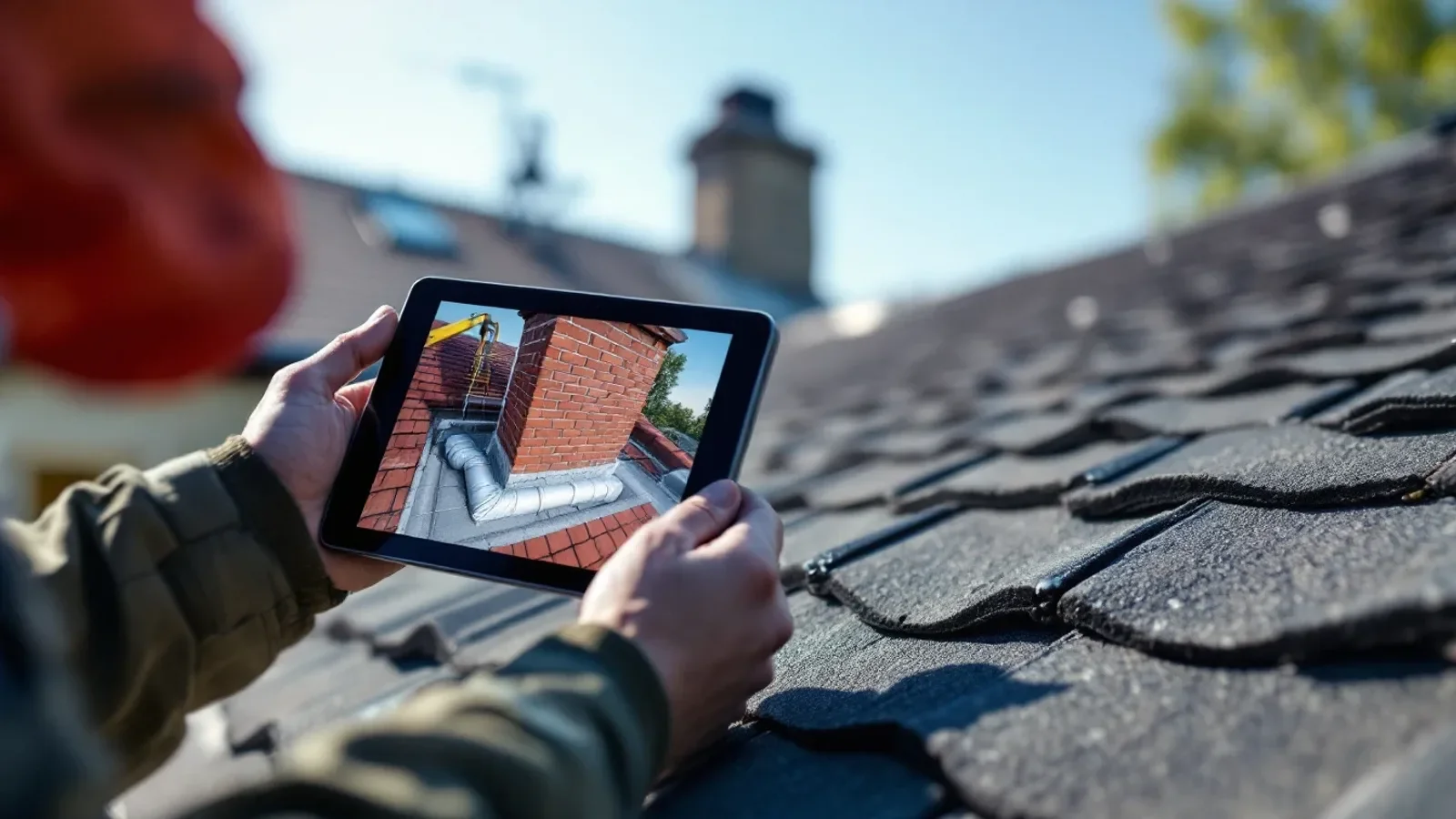
This step is the technical core of a modern chimney inspection. A high-resolution camera mounted on a flexible rod is lowered through the full length of the flue while the technician monitors a live feed. What they are mapping includes the condition of the liner itself (whether it is clay tile, cast-in-place, or a metal insert), the presence and classification of creosote deposits, any cracks or gaps between liner sections, and obstructions such as debris, collapsed tile fragments, or animal nesting.
If you want it handled correctly the first time, consider professional chimney sweep inspection differences milpitas in Concord.
The National Fire Protection Association’s NFPA 211 standard classifies inspections at three levels. A Level 1 inspection covers accessible portions with no camera required and is appropriate when nothing about the system has changed. A Level 2 inspection, which includes the camera scan, is recommended whenever a home is sold, after any chimney fire, or when changes to the appliance or fuel type are made. Most Milpitas homeowners scheduling a routine annual check will receive a Level 1 or Level 2 depending on the technician’s initial findings. If the camera reveals hidden damage, a Level 3 inspection may follow, which can involve opening walls or ceilings to access concealed areas of the system.
Understanding these levels matters because the camera scan is what separates a superficial visual check from a genuine safety evaluation. If you are comparing service options, choosing the right Milpitas chimney service explains what questions to ask before booking.
Step 4: Assess Creosote Buildup and Classify the Deposit
Creosote is the byproduct of incomplete combustion, and it deposits on flue walls every time wood burns. Not all creosote is equally dangerous. Technicians classify it in three degrees. First-degree creosote is a light, dusty coating that brushes away easily during a standard cleaning. Second-degree deposits are flakier and harder, requiring more aggressive brushing. Third-degree creosote is a glazed, tar-like coating that can be extremely difficult to remove and is highly combustible.
The classification the technician assigns directly determines what happens next. First and second-degree deposits are addressed during the cleaning that typically follows the inspection. Third-degree deposits may require a chemical treatment applied before mechanical removal is possible. Homeowners who burn green or unseasoned wood, or who use their fireplace infrequently with smoldering rather than hot fires, are more likely to develop advanced deposits. If you want to recognize early warning signs yourself before scheduling a professional visit, identifying creosote buildup in your Milpitas fireplace covers the visible indicators in detail.
Step 5: Examine the Firebox, Damper, and Smoke Chamber
With the exterior and flue assessed, the technician moves inside to the firebox itself. They inspect the refractory panels (the heat-resistant walls inside the firebox) for cracks, the floor of the firebox for structural integrity, and the throat damper for proper operation. A damper that sticks open wastes conditioned air year-round; one that sticks closed is a carbon monoxide hazard the moment a fire is lit.
The smoke chamber, the funnel-shaped space above the damper that directs combustion gases into the flue, is also checked. In older Milpitas homes, smoke chambers were often built with corbeled (stair-stepped) brick rather than a smooth parged surface. Corbeled chambers trap creosote more readily and are less efficient at directing draft. The technician will note whether the chamber has been parged smooth and whether any existing parging is intact or crumbling.
Step 6: Check the Firebox Lintel and Hearth Extension
The lintel is the metal bar or masonry arch that spans the top of the firebox opening and supports the structure above it. Over years of thermal cycling, lintels can warp or corrode, which compromises the structural support of the chimney breast. The technician checks for visible sagging, rust, or masonry separation around the lintel.
Many Concord homeowners rely on expert chimney sweep inspection differences milpitas in Concord for exactly this.
The hearth extension, the non-combustible floor surface in front of the firebox opening, is measured to confirm it meets the clearance requirements for the firebox size. Requirements vary by jurisdiction, so the technician will note any concerns and recommend you verify current local standards with your municipality or a licensed professional rather than assuming a historical installation meets today’s expectations. This is especially relevant in Milpitas neighborhoods where homes built in the 1960s and 1970s predate several revisions to residential fire codes.
Step 7: Test Draft and Ventilation Performance
A chimney that is structurally sound can still underperform if the draft is compromised. Draft depends on the height of the flue, the temperature differential between inside and outside, the cross-sectional area of the liner relative to the firebox opening, and the presence of any obstructions. The technician may use a smoke pencil or a simple paper test to observe how air moves through the system at rest.
In Milpitas, homes situated near the foothills of the Diablo Range can experience downdraft conditions during certain wind patterns, particularly when the Diablo winds push from the east. Homes in lower-lying neighborhoods near Highway 237 or the Alviso slough corridor may have different draft characteristics due to elevation and surrounding tree canopy. A technician familiar with local conditions can identify whether a draft problem is structural or environmental and recommend appropriate solutions, such as a draft-inducing cap or a damper upgrade.
Step 8: Document Findings and Explain the Report
At the end of the inspection, the technician compiles their findings into a written report. A thorough report includes photographs from the camera scan, a description of each area examined, the creosote classification, any deficiencies noted, and recommended actions ranked by urgency. Safety-critical issues (a cracked liner, a collapsed tile, a blocked flue) should be clearly distinguished from maintenance items (a minor crown crack, a stiff damper) and cosmetic observations.
Ask the technician to walk through the report with you before they leave. Understanding the difference between what must be addressed before the fireplace is used again and what can be monitored over the next season helps you prioritize. A good inspection report is also a useful record to share with a home insurance provider or a prospective buyer if you ever sell the property.
When to Call a Professional in Milpitas
Some homeowners wonder whether they can handle parts of chimney maintenance themselves. Light tasks, like clearing the area around the hearth, checking that the damper opens and closes freely, or replacing a worn door gasket on an insert, are reasonable DIY work. The inspection and cleaning process itself is not. The camera equipment, the creosote classification knowledge, the structural assessment skills, and the safety protocols involved require professional training. Attempting to brush a flue without proper containment will distribute fine particulates throughout the living space, and attempting to assess liner condition without a camera produces guesswork rather than data. For a fuller picture of where DIY chimney work creates risk, the hazards of DIY chimney cleaning in Milpitas is worth reading before picking up a brush.
You should call a professional in Milpitas any time you notice:
- Smoke entering the room when the damper is open and a fire is burning
- A strong, persistent odor from the fireplace even when it is not in use
- Visible crumbling of mortar, brick, or tile inside the firebox
- Any recent seismic activity, even a minor tremor, if your home has a masonry chimney
- It has been more than a year since the last inspection, regardless of how many fires you burned
- You are purchasing a home with an existing fireplace and have no inspection records
Ready for the next step? Learn how chimney sweep inspection differences milpitas services in Concord can help and reach out to the team.
The chimney sweep frequency recommendations for Milpitas homes provide the usage-based scheduling logic that determines how often inspection and cleaning should occur for your specific fireplace type and burn habits.
Frequently Asked Questions
How long does a chimney inspection take in Milpitas?
A standard Level 1 or Level 2 inspection of a single-flue system typically takes between 60 and 90 minutes. Homes with multiple flues, complex masonry, or access challenges may require additional time. Scheduling a cleaning at the same appointment is efficient, since the technician is already set up with the necessary equipment.
Is a chimney inspection required before using a fireplace in a newly purchased Milpitas home?
No state law mandates an inspection at the point of purchase, but NFPA 211 recommends a Level 2 inspection whenever a property changes ownership. More practically, using a fireplace without knowing the condition of the liner and firebox is a meaningful safety risk. Most home inspectors are not chimney specialists and will note a fireplace’s presence without evaluating its safety in detail.
What is the difference between an inspection and a chimney cleaning?
An inspection assesses the condition and safety of the system. A cleaning removes creosote, debris, and obstructions from the flue and firebox. The two are related but distinct: an inspection tells you what is there, and a cleaning addresses the deposits found. Many homeowners schedule both at the same visit, which is efficient and ensures the camera scan captures the liner’s true condition after deposits are removed.
Can a chimney pass inspection but still need cleaning?
Yes. A chimney can be structurally sound, with an intact liner and no safety deficiencies, while still carrying a first or second-degree creosote coating that warrants removal. Passing an inspection means the system is safe to operate; it does not mean the flue is clean. The technician will typically note the deposit level and recommend cleaning even when no structural repairs are needed.
How soon after an inspection should I schedule follow-up work?
Safety-critical findings, such as a cracked liner or a blocked flue, should be addressed before the fireplace is used again. Maintenance items with lower urgency, such as minor crown sealant work, can reasonably be scheduled within the same season. After any repairs or cleaning are complete, post-cleaning fireplace care for Milpitas homes outlines the steps that help extend the time between service visits.
Conclusion
A chimney inspection in Milpitas is not a formality. It is a structured, methodical evaluation of a system that handles combustion gases, extreme heat, and structural loads every time a fire burns. The eight steps above, from the exterior roofline assessment to the written findings report, exist because each component of a chimney can fail in ways that are invisible without the right tools and training.
Knowing what to expect makes the process less opaque and helps you have a more informed conversation with the technician about your home’s specific history and conditions. If you are ready to schedule an inspection for your Milpitas home, reach out to Nation Wide Chimney Sweep and Repair to book a convenient appointment. Our team serves homeowners throughout Santa Clara County and can typically schedule within a short lead time before the burning season begins.