Professional Chimney Services in Milpitas: Understanding the Core Cost Drivers
You strike a match, light the kindling, and wait for that familiar, comforting warmth to fill your living room, only to notice a faint, smoky odor lingering in the air or a slow draft that leaves your home feeling chilly. In Milpitas, where cool evening drafts roll off the Diablo Range, a properly functioning fireplace is essential for home comfort. When it comes to maintaining these systems, understanding the factors that influence the scope of professional chimney services can help you make informed decisions for your home’s safety and efficiency.
Determining the actual requirements for your fireplace involves analyzing several variables, from the amount of soot accumulation inside the flue to the structural integrity of the external masonry. This comprehensive guide explores what shapes the complexity of professional maintenance, how to identify when structural work is needed, and how the local Bay Area climate affects your home’s venting systems. For a closer look at initial system assessments, you can read our chimney inspection guide to understand what technicians look for during their initial visit.
The Elements of a Standard Chimney Sweep
A standard chimney sweep is the baseline preventative maintenance service for any solid-fuel heating appliance. The primary objective is the removal of soot and creosote, which are natural byproducts of burning wood. When these materials accumulate along the flue liner, they restrict airflow and pose a significant safety hazard. A professional cleaning involves specialized brushes, industrial vacuums, and physical scraping tools designed to clear these deposits without damaging the internal lining.
The complexity of a standard sweep is largely determined by the type of creosote present. Stage one creosote is a light, powdery soot that brushes away easily. Stage two consists of flaky, black deposits that require heavier hand tools or rotary loops to dislodge. Stage three creosote is a highly concentrated, tar-like glaze that adheres fiercely to the flue walls. Addressing stage three buildup requires specialized chemical treatments or advanced mechanical tools, which increases the time and labor required to restore the flue to a safe operating state. To learn more about this specific hazard, refer to our guide on managing creosote buildup.
Key Factors Driving the Cost of Chimney Services
Every venting system is unique, and several physical characteristics of your home dictate the complexity of the service. When professionals evaluate a system, they look at several distinct operational variables:
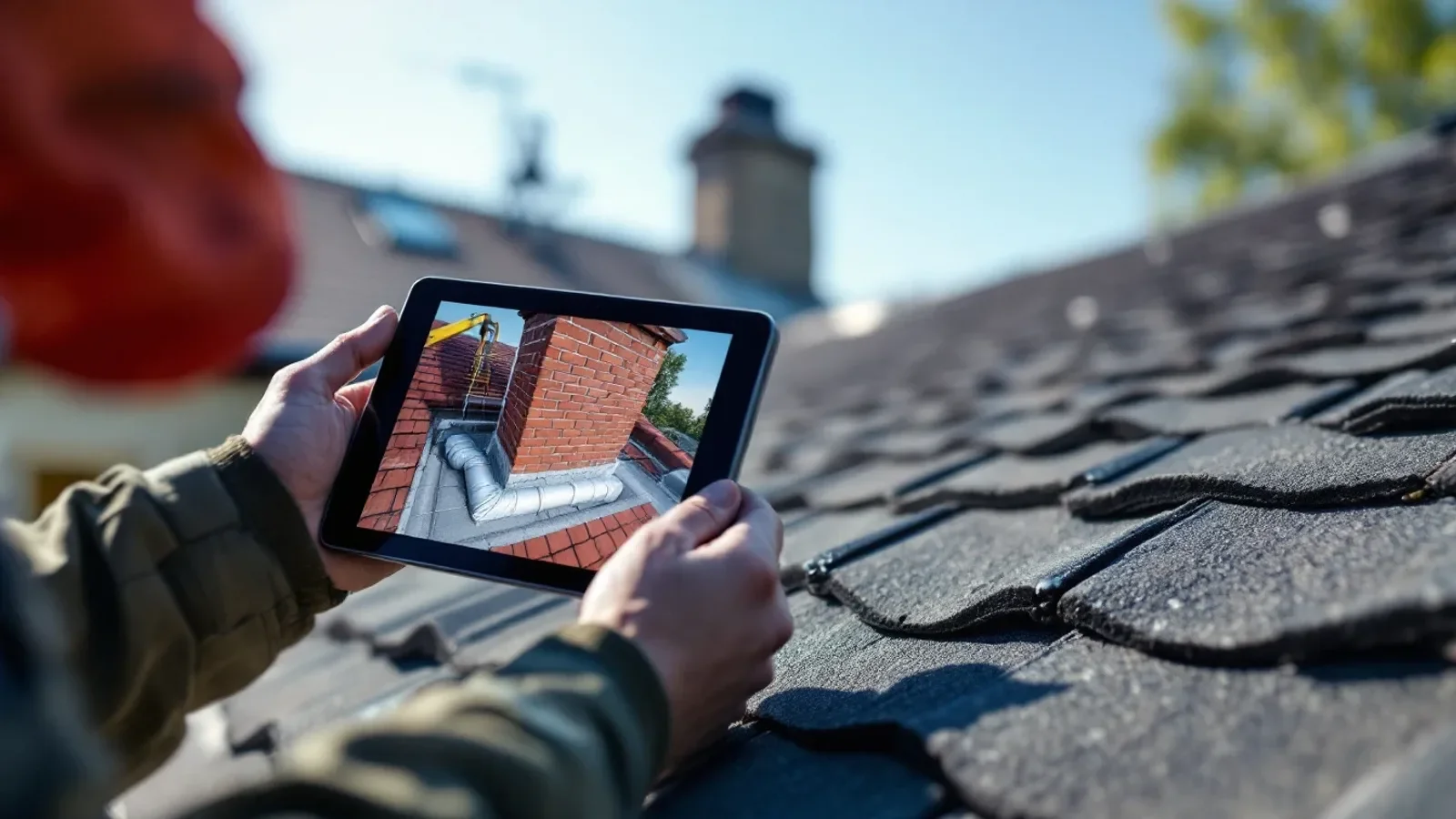
- System Accessibility and Roof Pitch: Technicians must safely access the chimney cap to perform a thorough sweep or seal the crown. Extremely steep roofs, multi-story homes, or chimneys positioned in hard-to-reach locations require specialized safety harness setups, taller ladders, or scaffolding, which increases the labor time.
- Level of Creosote Accumulation: As mentioned, heavy glaze deposits require significantly more physical labor and specialized equipment to remove safely than basic, powdery soot.
- The Type of Flue Lining: Clay tiles, cast-in-place concrete liners, and stainless steel liners all require different cleaning tools. For example, using the wrong type of wire brush on a metal liner can score the surface, creating tiny grooves where creosote can cling even faster in the future.
- The Number of Flues: Many homes have multi-sided fireplaces or separate flues for a furnace and a fireplace within the same masonry chimney. Each flue represents an independent venting system that must be swept and inspected individually.
If you want it handled correctly the first time, consider professional how to choose milpitas chimney repair in Concord.
To schedule a comprehensive evaluation of your fireplace system, you can book an appointment with our team for professional chimney cleaning and sweeping to ensure your home remains safe and efficient.
Identifying the Need for Chimney Repair
While routine sweeping keeps the interior of the flue clean, structural wear and tear requires specialized repair work. Masonry chimneys are heavy structures subjected to extreme temperature swings on the inside and weather exposure on the outside. Over time, these forces cause materials to degrade, requiring professional intervention to prevent hazardous leaks or structural failure.
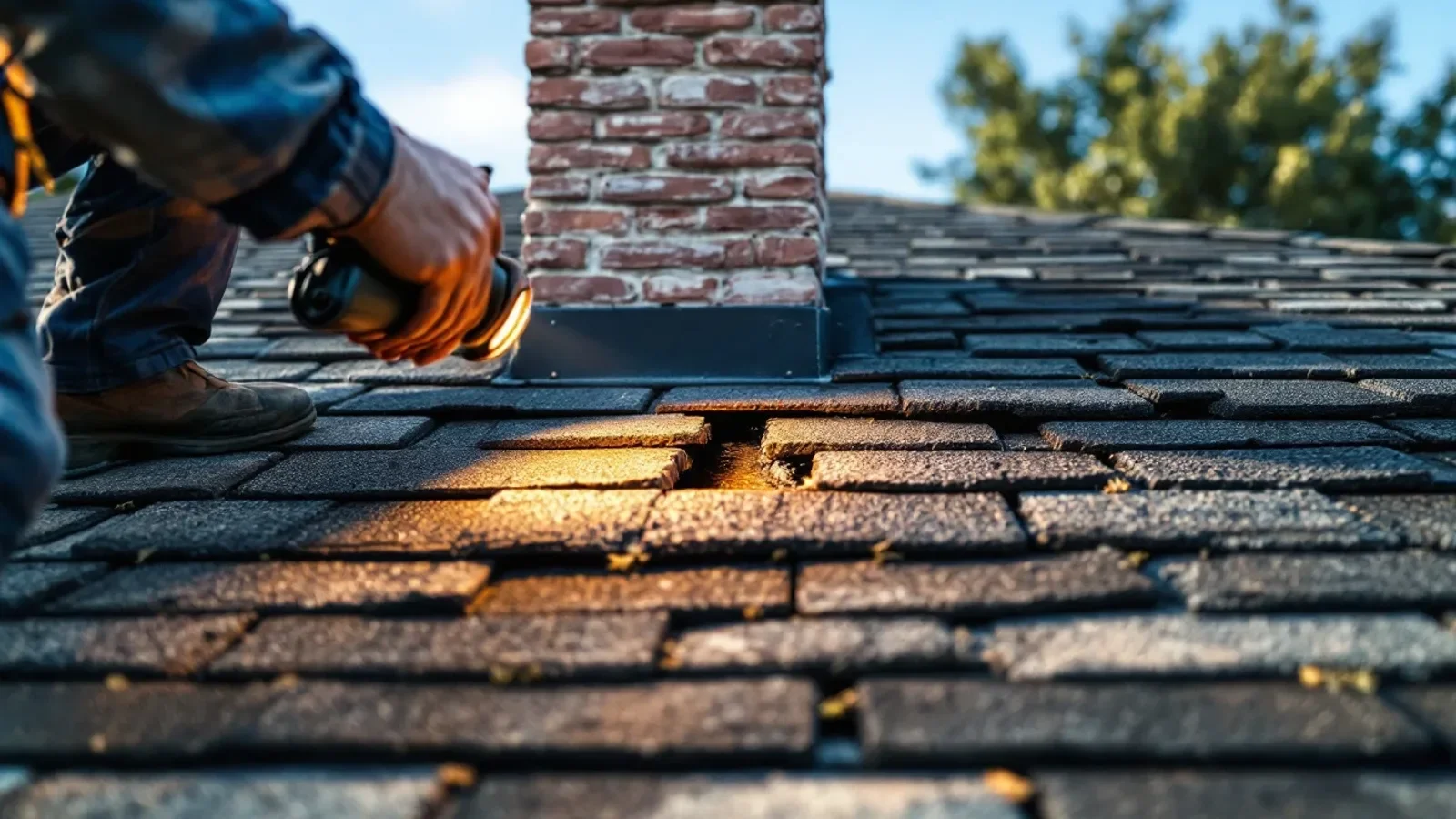
Common signs that you need professional structural work include crumbling mortar joints, cracked bricks, a deteriorating chimney crown, or water dripping into the firebox. If masonry repairs are delayed, water can seep deep into the structure, freezing and expanding during colder nights, which rapidly accelerates the damage. If you suspect your system has suffered environmental wear, you can read more about the indicators of chimney damage to help catch minor issues before they escalate into major restoration projects.
The Complexity of Chimney Masonry and Relining
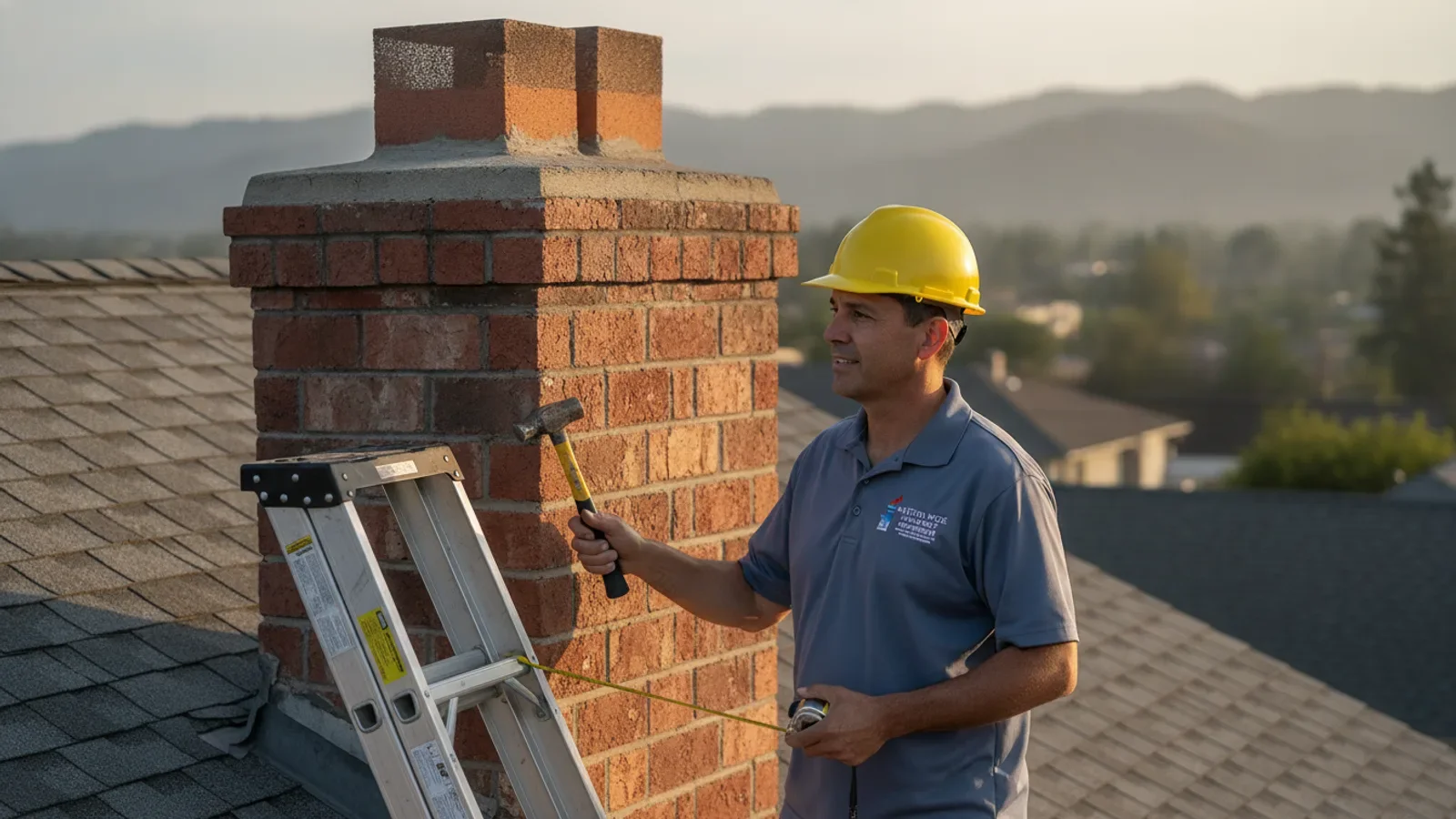
When structural damage occurs, chimney services shift from preventative maintenance to active restoration. This work is generally divided into two main categories: masonry repair and flue relining. Masonry work often involves tuckpointing, which is the meticulous process of scraping out crumbling mortar from between the bricks and replacing it with fresh, weather-resistant mortar. When bricks are cracked or spalling (flaking away), they must be individually chipped out and replaced to restore the structural integrity of the stack.
Flue relining is necessary when the internal conduit that channels heat and combustion gases out of the home becomes cracked or breached. A damaged liner can allow heat to transfer to nearby wooden wall framing or permit carbon monoxide to seep into the living areas. Installing a new stainless steel flue liner involves selecting the correct diameter for your fireplace, sliding the flexible or rigid metal conduit down the entire length of the chimney, and securing it with proper insulation. This is highly technical work that requires precision to ensure a perfect draft and complete containment of combustion byproducts.
Many Concord homeowners rely on expert how to choose milpitas chimney repair in Concord for exactly this.
Milpitas Regional Environmental Factors
The local climate and geography of Milpitas play a major role in the wear and tear of residential chimneys. Situated in the South Bay, homes in this area experience a distinct combination of warm, dry summers and cool, wet winters. While winter temperatures rarely drop below freezing, the persistent winter rainfall can be highly damaging to masonry. Because brick and mortar are porous materials, they absorb moisture during rainy spells. When cool bay winds sweep through the area, the moisture inside the masonry expands and contracts, leading to micro-cracks that gradually weaken the chimney structure.
Additionally, Milpitas sit near active seismic zones. Even minor earth movements that go unnoticed by residents can cause structural shifting in heavy masonry chimneys. This movement often leads to hairline cracks in the chimney crown, separation between the chimney stack and the home\’s siding, or fractured clay flue tiles. Routine evaluations are critical in this region to detect these subtle, seismically induced cracks that could otherwise allow moisture or flue gases to escape into the home\’s structure. For advice on selecting a local technician who understands these regional challenges, see our guide on hiring a local chimney professional.
Comparing Chimney Maintenance and Restoration Services
To help you understand how different services compare in scope and requirements, the table below outlines the primary differences between routine maintenance and structural restoration projects:
| Service Type | Primary Focus | Key Materials Used | Typical Duration | Primary Benefit |
|---|---|---|---|---|
| Standard Chimney Sweep | Removal of soot and creosote buildup from the flue liner. | Nylon/wire brushes, HEPA vacuums, soot-sweeping compounds. | 1 to 2 Hours | Reduces fire hazards and improves venting draft. |
| Tuckpointing & Masonry Repair | Restoring crumbling mortar joints and cracked bricks. | Specially formulated masonry mortar, replacement bricks. | 1 to 3 Days | Prevents water penetration and structural collapse. |
| Flue Relining | Replacing a cracked, damaged, or unlined flue system. | Stainless steel liners, insulation blankets, top plates. | 1 Day | Ensures toxic gases and heat are safely contained. |
| Chimney Crown Reconstruction | Repairing or rebuilding the concrete slab at the top of the chimney. | Fiber-reinforced concrete, elastomeric crown sealants. | 1 Day (plus cure time) | Prevents rain from seeping down into the masonry core. |
After any major repair or cleaning service is performed, keeping your system in peak condition requires a consistent approach. You can review our checklist on post-inspection maintenance to maximize the lifespan of your repairs.
Ready for the next step? Learn how how to choose milpitas chimney repair services in Concord can help and reach out to the team.
Frequently Asked Questions
How often should I have my chimney swept in Milpitas?
It is recommended to have your chimney inspected annually, with a sweep scheduled whenever soot and creosote accumulation reaches an eighth of an inch inside the flue. Even if you do not use your fireplace frequently, nesting pests or wind-blown debris can block the venting system over the course of a year.
Can I perform chimney cleaning myself?
While minor exterior cleaning is manageable, internal flue sweeping and structural repairs should be left to certified professionals. Professional technicians use specialized high-powered vacuums to contain hazardous soot particles and have the training to spot structural defects that are invisible to an untrained eye.
What is a chimney crown and why does it crack?
The chimney crown is the concrete slab that sits on top of the chimney stack, designed to shed rainwater away from the masonry. It cracks due to natural weathering, shrinkage during the curing process, or minor seismic settling, which allows water to seep down into the bricks below.
Why does my fireplace smell bad during warm Milpitas summers?
In the summer, hot and humid air can draw downdrafts down your chimney. If there is a significant buildup of creosote and soot inside the flue, this downward airflow carries the odor of burnt wood and creosote directly into your living room, which is a strong indicator that a professional sweep is needed.
Ensuring a Safe and Warm Home
Maintaining a safe fireplace requires balancing regular soot removal with timely structural upkeep. By understanding the core cost factors, from roof accessibility to masonry wear, you can plan ahead and keep your system running safely. Protecting your home from moisture damage, chimney fires, and drafting issues starts with a professional evaluation. Contact Nation Wide Chimney Sweep & Repair Concord today to consult with our experienced technicians and schedule your next chimney sweep or repair service in Milpitas.