Why Milpitas Homes Build Up Dangerous Creosote Quickly
According to the National Fire Protection Association, failure to clean residential venting systems is the leading factor contributing to home heating fires. In Milpitas, California, this risk is particularly relevant due to local burning habits and distinct microclimate conditions that directly accelerate how quickly byproducts accumulate in masonry structures. When wood burns, it releases volatile organic compounds that condense on the cool inner walls of your flue, forming a highly combustible, dark, tar-like substance. Understanding the mechanics of this accumulation is the first step toward maintaining a safe hearth.
What Is Dangerous Creosote Buildup and Why Is It Highly Combustible?
When you light a fire in your fireplace, the combustion process is rarely complete. The smoke traveling up your flue contains unburned wood particles, water vapor, gases, and hydrocarbon residue. As these hot vapors rise and meet the cooler temperatures of the upper chimney flue, they condense along the inner walls. This condensation dries into a substance known as creosote.
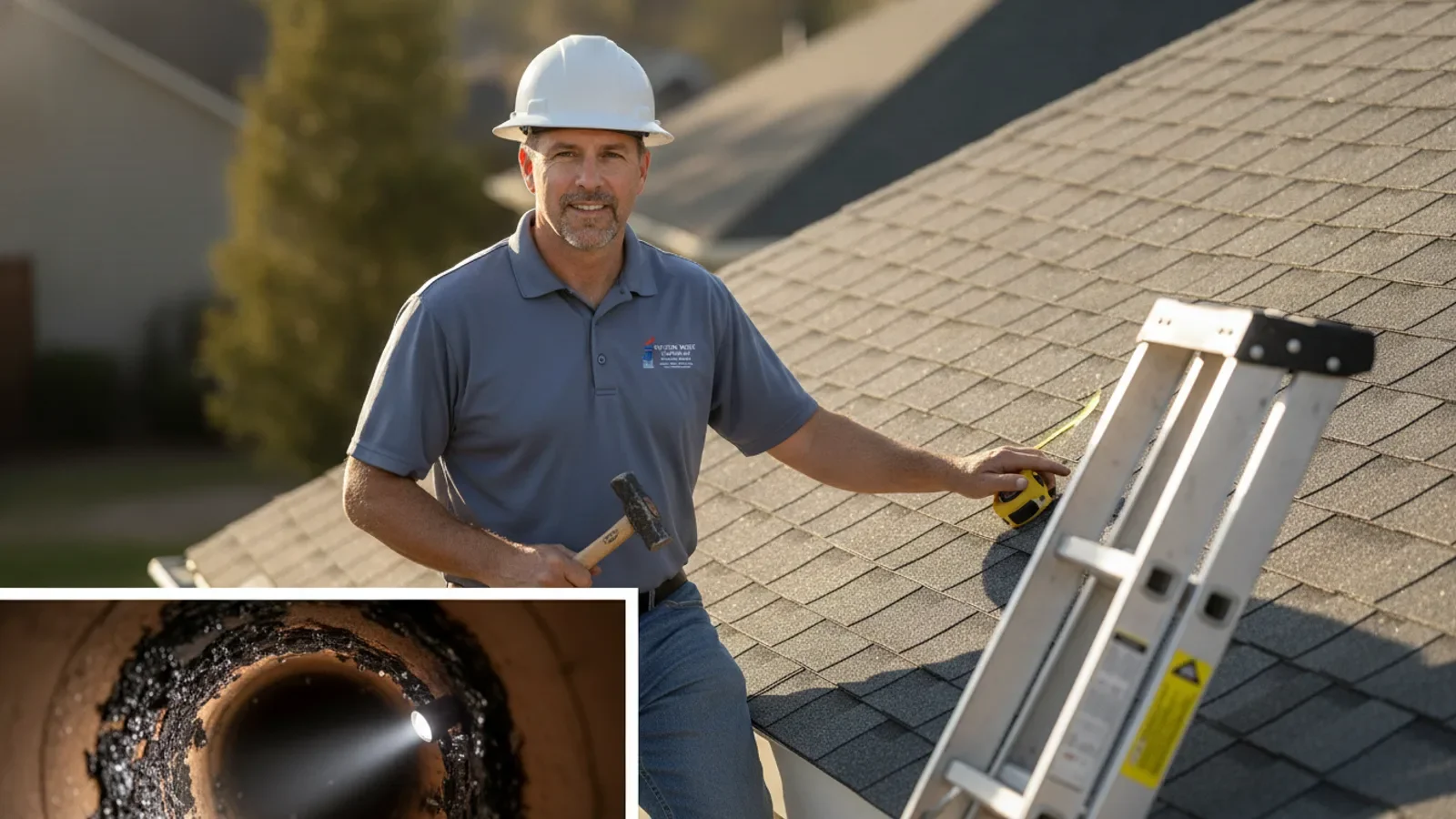
This byproduct exists in three distinct stages, each more hazardous than the last. Stage one is a flaky, dusty soot that is relatively easy to brush away. Stage two forms crunchy, hard black flakes that cling tightly to the flue tiles. Stage three is a dense, highly concentrated, tar-like glaze that is extremely difficult to remove. In all its forms, but particularly in stage three, this material is highly flammable. If the internal temperature of the flue rises sufficiently, this accumulation can ignite, resulting in a rapid, intense chimney fire that can crack masonry and spread to the rest of the home.
How Do Milpitas Weather Patterns Accelerate Creosote Formation?
Milpitas experiences a distinct Mediterranean climate, characterized by warm, dry summers and cool, damp winters. Nestled at the southeastern edge of the San Francisco Bay, the city experiences significant evening temperature drops, driven by marine winds channeling through the valley. This rapid cooling directly impacts how your fireplace operates.
When a homeowner lights a fire on a chilly Milpitas evening, the masonry structure of the chimney is often quite cold. As the warm smoke encounters this cold flue, the temperature differential triggers rapid condensation. Instead of venting safely out into the atmosphere, the unburned hydrocarbons solidify instantly on the cold flue tiles. Furthermore, because local winters are relatively mild compared to colder regions of the country, residents tend to build smaller, slow-smoldering fires rather than hot, fast-burning ones. These low-temperature fires produce cooler smoke, which lacks the thermal draft needed to exit the flue quickly, resulting in rapid deposition of sticky soot along the liner.
Does the Type of Wood Burned in the Bay Area Affect Accumulation Rates?
If you want it handled correctly the first time, consider professional how to choose milpitas chimney repair in Concord.
The type of firewood you choose to burn plays a massive role in how quickly you experience dangerous creosote buildup. In the Bay Area, homeowners use a variety of seasoned hardwoods, such as oak and madrone, alongside softer woods like pine, fir, or eucalyptus. Softwoods and unseasoned green woods are notorious for accelerating flue deposits.
Softwoods contain high levels of natural sap and resins. When burned, these resins vaporize and coat the chimney liner in a sticky film that traps passing soot particles. However, moisture content is an even greater factor than wood species. Green wood, or wood that has not been seasoned for at least six to twelve months, contains a massive amount of trapped water. When burned, the fire must expend its thermal energy boiling off this water rather than producing heat. This drops the firebox temperature, creates excessive water vapor, and causes rapid condensation inside the flue, wrapping the masonry in a thick layer of glazed soot.
How Do Home Heating Habits in Milpitas Impact Flue Condensation?
Because Milpitas homes rarely require continuous, round-the-clock heating during the winter, fireplaces are typically used occasionally for evening ambiance or supplemental warmth. This intermittent usage pattern is actually a primary driver of flue condensation and soot accumulation.
A chimney that is used continuously remains warm, which prevents the rapid cooling and condensation of exhaust gases. Conversely, an intermittently used chimney starts completely cold every time. The first hour of burning in a cold chimney produces a disproportionate amount of condensation. Additionally, many residents practice “dampering down” their fires. This involves closing the damper slightly to prolong the burn time of the wood. While this keeps the fire going longer, it starves the flames of oxygen, drops the flue temperature, slows the draft velocity, and forces highly concentrated smoke to linger inside the chimney, where it cools and settles as glazed creosote.
Why Does Poor Fireplace Draft and Airflow Increase Chimney Deposits?
A fireplace relies on a delicate balance of air pressure and thermal buoyancy to draw smoke up and out of the home. This movement is known as the draft. When a chimney suffers from a poor draft, the smoke moves sluggishly, lingering inside the flue for extended periods. The longer the smoke remains in the flue, the more time it has to cool down and deposit sticky particles onto the walls.
Many Concord homeowners rely on expert how to choose milpitas chimney repair in Concord for exactly this.
Poor draft can be caused by several factors, including a chimney flue that is too large or too small for the fireplace opening, a clogged chimney cap, or severe outdoor wind patterns. Modern, airtight homes in Milpitas can also suffer from draft issues because they lack the natural air infiltration needed to feed the fire. When the house is sealed tightly, the fireplace cannot pull enough air from the room to create a strong upward push, resulting in a lazy, smoldering fire that coats your chimney liner in record time. If you notice smoke backing into your living room, it is a clear warning sign of draft problems that require professional inspection.
What Architectural Factors in Milpitas Homes Contribute to Creosote Problems?
The housing stock in Milpitas includes a mix of mid-century ranch-style homes, particularly in established neighborhoods near the foothills, alongside newly constructed multi-story residential developments. The architectural design and age of these homes play a significant role in chimney health and draft efficiency.
Older homes in the area often feature unlined brick chimneys or older clay tile liners that have degraded over the decades. Unlined or damaged flues have rough, uneven surfaces that provide perfect catchpoints for rising soot. Furthermore, many ranch-style homes feature shorter chimney runs. Shorter chimneys naturally produce less draft than taller systems, slowing down the exit speed of combustion gases. Conversely, modern multi-story homes often feature exterior chimneys that run up the outside of the house rather than through the warm interior. These exterior chimneys are exposed to cold winds on three sides, keeping the internal flue temperatures exceptionally low and drastically accelerating the rate of condensation and tar accumulation.
Can a Damaged Chimney Cap or Damper Make Creosote Accumulation Worse?
Your chimney cap and damper are critical components designed to control airflow and protect the interior of your flue from the elements. When either of these components is damaged or poorly maintained, it can significantly worsen the rate of soot and tar accumulation.
A damaged or missing chimney cap allows rain, debris, and nesting pests to enter the flue. Water mixing with existing soot creates a highly corrosive acidic paste that damages clay liners and masonry joints. Furthermore, a cap clogged with leaves or old soot restricts the exiting draft, forcing smoke to stagnate inside the chimney structure. Similarly, a warped or malfunctioning damper that cannot open fully restricts the exit pathway for exhaust gases. This restriction slows the escape of volatile organic compounds, keeping them in the flue long enough to cool, condense, and form stubborn glaze deposits along the liner walls.
Ready for the next step? Learn how how to choose milpitas chimney repair services in Concord can help and reach out to the team.
What Are the Early Warning Signs that Your Flue Has Dangerous Build-Up?
Identifying the signs of accumulation early can prevent a dangerous chimney fire. Fortunately, your fireplace and chimney will often show clear indicators when it is time for professional cleaning and maintenance.
One of the most common signs is a strong, distinct odor resembling campfire smoke or asphalt, especially on warm or humid days when the fireplace is not in use. This smell is caused by the carbon deposits inside the flue heating up. Another sign is a sluggish draft, where fires are difficult to light or smoke occasionally billows back into the room. You may also notice dark, greasy flakes falling down into the firebox when you open or close the damper. If you suspect your system is compromised, reviewing a chimney inspection checklist can help you identify structural warnings before they escalate into major safety hazards.
How Does Professional Cleaning Address Stubborn Flue Deposits?
Removing stubborn, glazed soot requires specialized tools, chemical treatments, and professional training. Standard brushing methods are often ineffective against advanced stage three glaze, which bonds tightly to the underlying masonry.
Professional sweeps utilize mechanical rotary loops, heavy-duty scraping tools, and chemical neutralizing agents designed to break down the dense, glassy structure of the glaze. This process not only makes the material safe to remove but also ensures the underlying clay liner or metal flue is not damaged during cleaning. To understand how these accumulation levels, structural access challenges, and flue conditions influence the cost of maintenance, you can explore the details in our guide on chimney services. If you suspect structural damage from past accumulation, it is important to check the signs your chimney needs repair to catch cracks or liner deterioration early.
Keeping your fireplace clean and drafty is essential for protecting your property and family. By burning dry, seasoned hardwood and scheduling regular cleanings, you can enjoy a warm hearth without the worry of hidden flue hazards. If you are ready to address buildup in your home, consult a professional to schedule a thorough flue inspection and sweeping service. For steps on what to do after a technician visits, read our guide on post-inspection chimney care.