Chimney Cleaning and Inspection Schedule Guidelines for Milpitas Homeowners
You light the first fire of the season and notice a faint, sharp smell drifting into the room before the warmth kicks in. That smell is a signal worth taking seriously. In Milpitas, where cool Bay Area evenings tempt homeowners to use their fireplaces more than the mild climate might suggest, keeping your chimney clean and inspected on a consistent schedule is one of the most practical things you can do for your home’s safety. This guide lays out exactly what that schedule should look like, what drives the need for professional service, and how to stay ahead of problems before they become expensive ones.
Why Chimney Cleaning Matters More Than Most Homeowners Realize
Every fire you burn leaves something behind. Wood smoke carries gases, water vapor, and unburned carbon particles up the flue. As those particles cool against the liner walls, they condense into a sticky, flammable residue called creosote. In its early stages creosote looks like light, flaky soot. Left alone across multiple burning seasons, it hardens into a tar-like glaze that is extremely difficult to remove and highly combustible.
A chimney fire fed by creosote buildup can reach temperatures high enough to crack a clay tile liner, warp a stainless steel insert, or ignite nearby framing inside your wall. The frightening part is that many chimney fires go unnoticed by the homeowner because they burn inside the flue rather than in the firebox. You might hear a low rumble or notice an unusual smell, but the damage accumulates silently. That is why routine chimney cleaning is not optional maintenance, it is the mechanism that keeps creosote from reaching a dangerous level in the first place.
For a closer look at what progressive creosote deposits look like and how to spot them yourself, see our article on recognizing creosote warning signs.
The Recommended Chimney Cleaning Schedule for Milpitas Homes
The National Fire Protection Association (NFPA 211) recommends that chimneys, fireplaces, and venting systems be inspected at least once per year and cleaned whenever deposits warrant it. In Milpitas, the practical translation of that standard looks like this:
- Annual inspection, every year without exception. Even if you burned only a handful of fires, an inspection catches structural changes, animal nesting, moisture intrusion, and liner wear that have nothing to do with how much wood you burned.
- Cleaning before each active burning season if you use your fireplace regularly (roughly six or more fires per year).
- Cleaning mid-season if you burn frequently through the winter or use your fireplace as a primary heat source.
- Cleaning after any unusual event: a chimney fire (even a small one), a significant earthquake, or a period of heavy rain that may have pushed debris into the flue.
The best window for scheduling in Milpitas is late summer through early fall, before Spare the Air season restrictions begin and before sweep schedules fill up. Waiting until December means competing with every other homeowner who just remembered their fireplace exists.
Milpitas Climate and Local Regulations That Shape Your Schedule
Milpitas sits at the southern end of San Francisco Bay, where the climate is classified as warm-summer Mediterranean. Winters are mild by most standards, but the temperature differential between cool nights (regularly dropping into the low 40s from November through February) and the warm flue gases rising from a fire is significant enough to accelerate creosote condensation on the liner walls. Homes in the Milpitas foothills near Ed Levin County Park tend to burn more wood than those closer to the flatlands, simply because the elevation and tree cover make those neighborhoods noticeably cooler on winter evenings.
Bay Area air quality regulations add another layer of complexity. The Bay Area Air Quality Management District (BAAQMD) operates a Spare the Air Alert program that prohibits wood burning on days when particulate pollution is forecast to reach unhealthy levels. These alerts are common from November through February, which is precisely when most Milpitas homeowners want to use their fireplaces. Burning on an alert day is a violation subject to fines, and it also means your chimney may sit idle for stretches and then see concentrated use on the days burning is permitted, which can produce uneven creosote deposits.
If you want it handled correctly the first time, consider professional chimney inspection and cleaning in sunnyvale california what to expect in Concord.
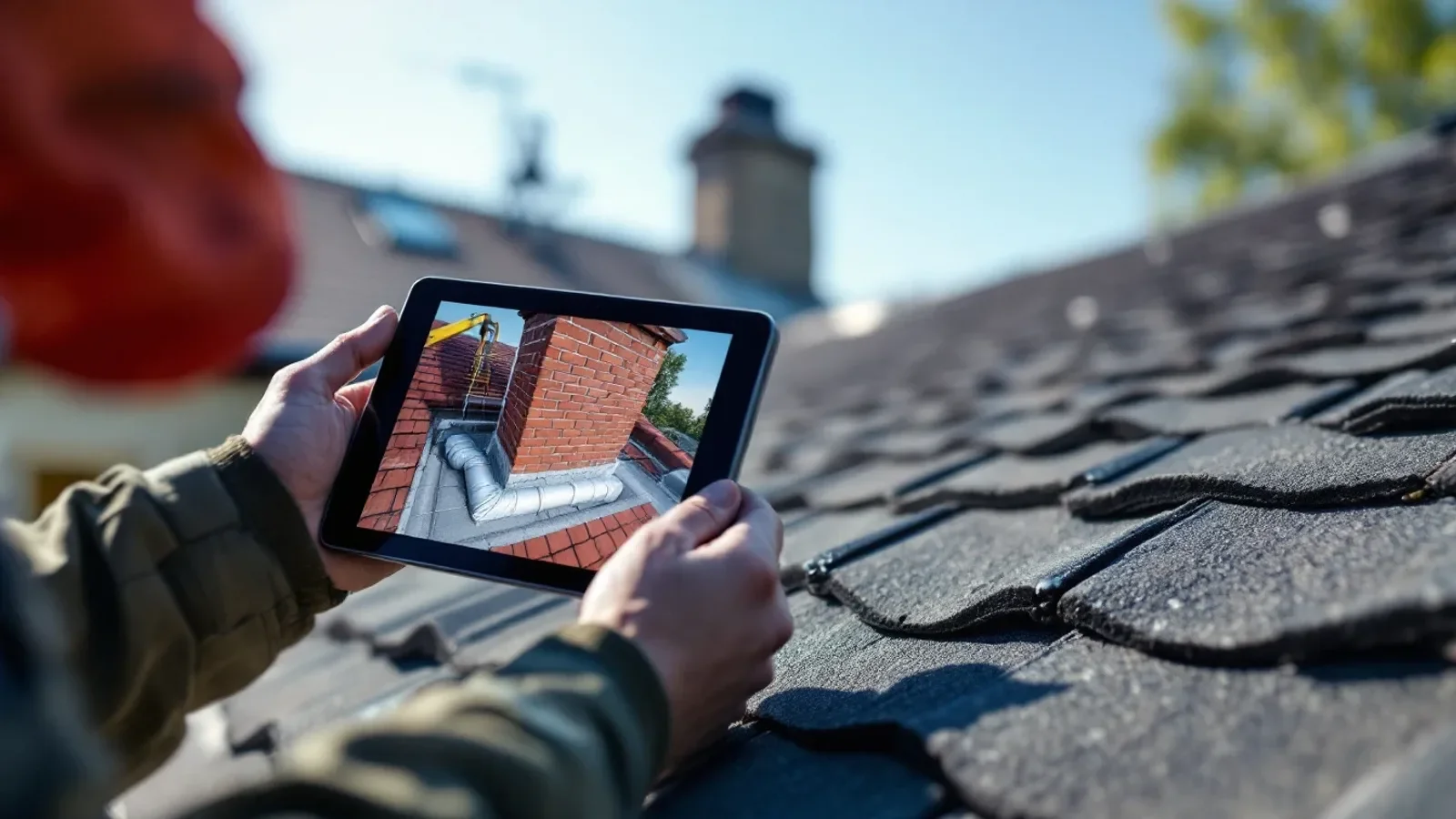
Milpitas homes built during the city’s rapid residential expansion of the 1960s through 1980s frequently have older masonry fireplaces with clay tile liners that are now approaching or past their expected service life. These liners are more susceptible to cracking from thermal cycling and may not meet current clearance standards. If your home falls in that era, a Level 2 inspection (which includes a video scan of the flue interior) is worth considering every few years rather than relying solely on a visual check.
What Happens During a Professional Chimney Sweep Service
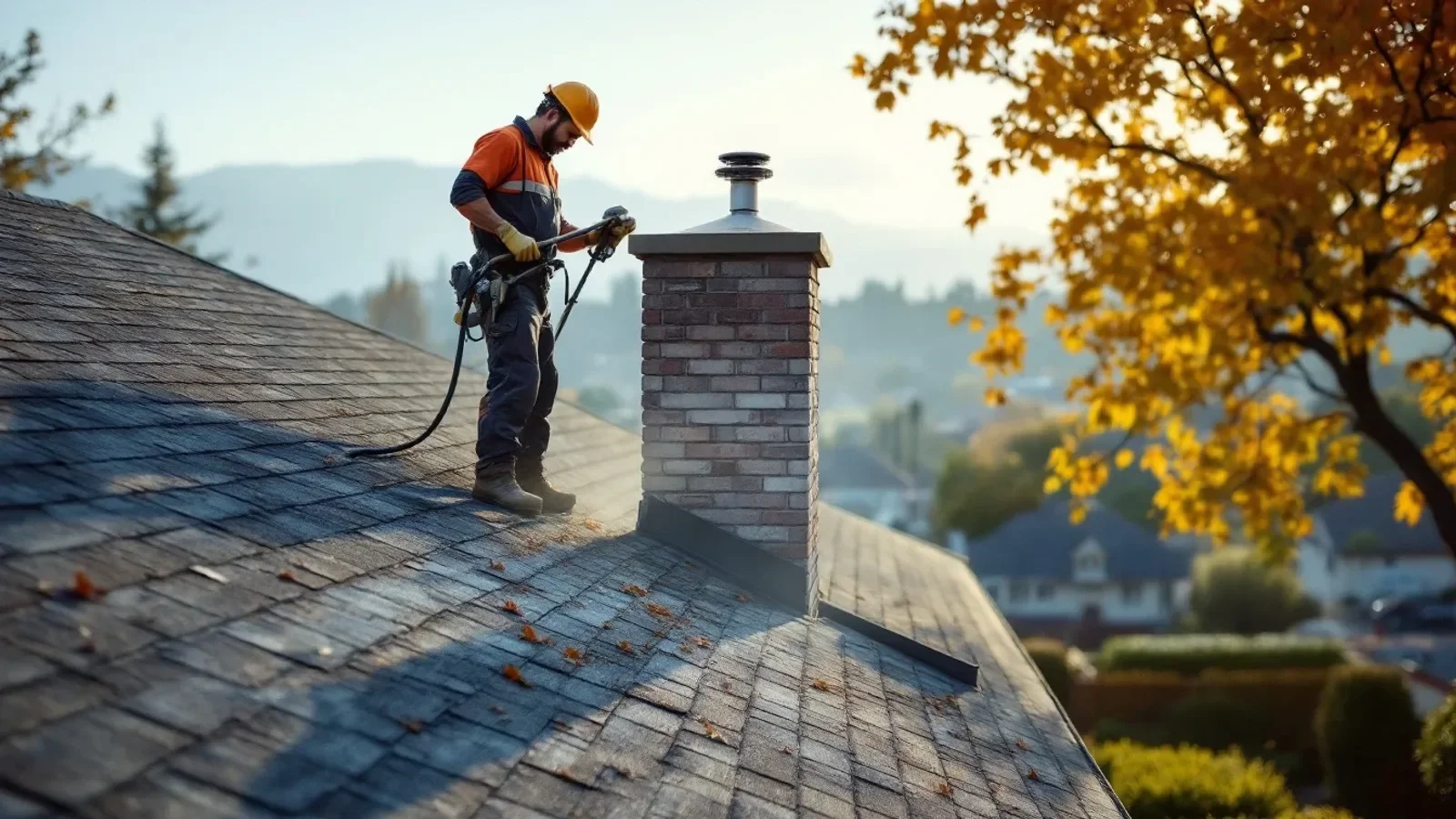
A professional chimney cleaning is not simply running a brush up the flue. A qualified sweep follows a systematic process that covers the full system from the firebox to the cap.
- Pre-cleaning inspection. The technician examines the firebox, damper, smoke chamber, and accessible portions of the flue before any cleaning begins. This baseline assessment identifies cracks, spalling mortar, damaged damper hardware, and the current level and type of creosote deposit.
- Protection setup. Drop cloths cover the hearth and surrounding flooring. A negative-pressure vacuum system connects to the firebox opening to capture dislodged debris and prevent soot from entering the living space.
- Flue brushing. The technician works from the top down (or bottom up, depending on the system and flue configuration), using rotary brushes sized to the flue dimensions. Multiple passes remove loose and moderate deposits from the liner walls.
- Smoke chamber and firebox cleaning. The smoke shelf and smoke chamber walls are brushed and vacuumed. These areas trap significant debris and are often overlooked in incomplete service calls.
- Post-cleaning inspection and report. The technician documents findings, photographs any areas of concern, and explains what was found and what, if anything, requires follow-up repair.
If you want to understand what you can safely maintain yourself between professional visits, our guide on routine fireplace upkeep after a cleaning covers the basics homeowners can handle without risk.
Chimney Inspection Levels Explained
Not all inspections are the same. The NFPA 211 standard defines three levels, and knowing which one applies to your situation helps you have an informed conversation with your sweep.
| Inspection Level | What It Covers | When It Applies |
|---|---|---|
| Level 1 | Visual check of accessible portions of the firebox, smoke chamber, and flue. No special tools or equipment required. | Annual maintenance inspection when no changes have been made to the system and it has been operating normally. |
| Level 2 | Everything in Level 1, plus video scanning of the full flue interior and accessible attic/crawlspace areas. Documents liner condition throughout its length. | When buying or selling a home, after a chimney fire or earthquake, when changing fuel type or appliance, or when a Level 1 inspection reveals a concern requiring closer examination. |
| Level 3 | Everything in Levels 1 and 2, plus removal of components (such as portions of the chimney structure) to access areas that cannot otherwise be examined. | When Levels 1 or 2 suggest a serious hazard that cannot be confirmed without demolition-level access. Rare in routine maintenance. |
For most Milpitas homeowners using a fireplace for supplemental heat on cool evenings, a Level 1 inspection bundled with an annual cleaning covers the routine requirement. Level 2 becomes relevant when the home changes hands, after seismic activity, or when the liner has not been formally evaluated in many years.
Factors That Affect Chimney Inspection and Cleaning Costs
Chimney service pricing is not a fixed number because no two chimneys are identical. Understanding what drives the cost helps you evaluate quotes accurately and avoid surprises. For a detailed breakdown of what goes into pricing in the Milpitas area, see what shapes chimney inspection pricing in Milpitas.
Many Concord homeowners rely on expert chimney inspection and cleaning in sunnyvale california what to expect in Concord for exactly this.
In general, the variables that matter most include:
- Flue height and configuration. Taller chimneys require more time and, in some cases, additional equipment. Chimneys with offsets or bends are more complex to brush thoroughly than straight flues.
- Creosote stage. First-stage (light, flaky) deposits come off with standard brushing. Second-stage (tar-like, sticky) and third-stage (hardened glaze) deposits require chemical treatments or specialized rotary systems that add time and materials to the job.
- Inspection level requested. A video-scan Level 2 inspection involves camera equipment and a more detailed written report, which adds to the service scope compared to a standard visual check.
- Number of flues. Homes with multiple fireplaces or a furnace and water heater venting through separate flues in the same chimney chase require separate cleaning passes for each flue.
- Accessibility. Steep roof pitches, limited attic access, or chimneys positioned near a hip or valley can extend the time required for a thorough top-down cleaning.
Signs Your Chimney Needs Attention Before the Scheduled Service Date
Annual scheduling is a baseline, not a ceiling. Certain signals indicate that your chimney needs a professional look regardless of when the last service was performed.
Watch for these between scheduled visits:
- A strong, oily, or tar-like odor coming from the fireplace when it is not in use, particularly during humid weather or when the air conditioning is running.
- Visible black, shiny deposits on the damper or in the firebox that were not there after the last cleaning.
- Fires that are difficult to start or that produce excessive smoke that rolls into the room rather than drawing up the flue.
- A rumbling or roaring sound during a fire that is louder or different from the normal draft noise.
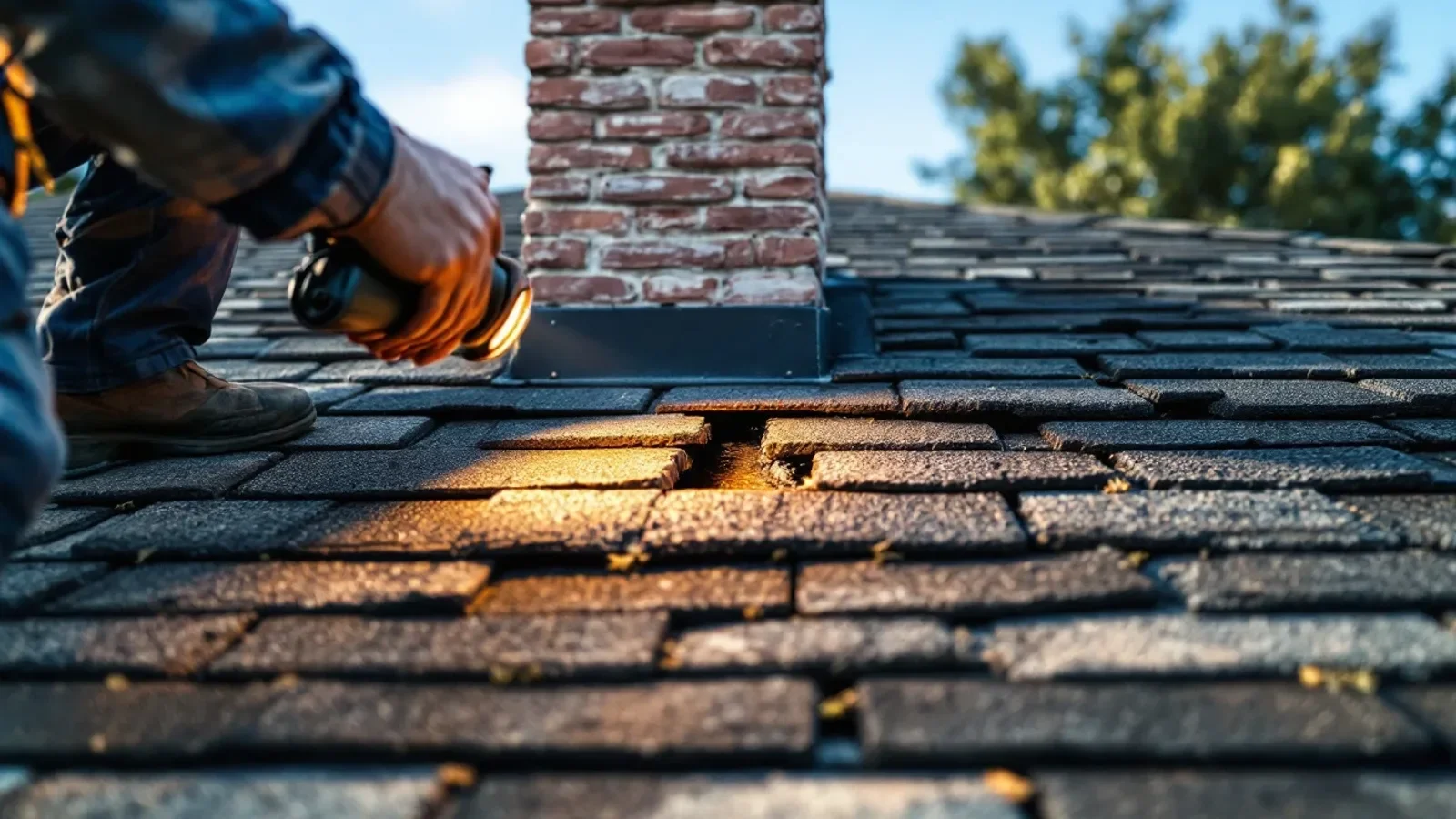
- White staining (efflorescence) on the exterior masonry, which indicates water is moving through the brickwork.
- Spalling brick faces or crumbling mortar joints visible from the ground.
Any of these warrants a call to a qualified chimney sweep rather than waiting for the next scheduled appointment. Our resource on identifying creosote and other chimney warning signs goes deeper on what each symptom typically indicates.
Choosing the Right Chimney Professional in Milpitas
The quality of a chimney cleaning depends almost entirely on the person performing it. A few markers distinguish thorough, professional service from a surface-level visit.
Look for a sweep who provides a written scope of work before starting, uses a vacuum system during cleaning (not just a tarp on the hearth), documents findings with photographs, and delivers a clear post-service report explaining what was found and what was done. A professional will also explain which inspection level they performed and why, rather than applying a one-size description to every job.
For guidance on evaluating chimney service providers and what questions to ask before booking, our guide to selecting a qualified Milpitas chimney professional covers the key criteria in detail.
Ready for the next step? Learn how chimney inspection and cleaning in sunnyvale california what to expect services in Concord can help and reach out to the team.
If you have wondered whether a DIY approach is a reasonable option for routine maintenance, it is worth reading the honest assessment of DIY chimney cleaning in Milpitas before picking up a brush kit.
Frequently Asked Questions
How often should I have my chimney cleaned if I only burn a few fires per year?
Even light use warrants an annual inspection. Creosote can accumulate from just a handful of fires, and structural issues like liner cracks, animal nesting, or moisture damage develop independently of how often you burn. An inspection every year catches these problems early, and a cleaning can be performed at the same visit if deposits are present.
Does the Spare the Air program in the Bay Area affect when I should schedule service?
It affects when you can burn, not when you schedule cleaning. In fact, Spare the Air restrictions make pre-season scheduling more important, because the days when burning is permitted tend to see concentrated use. Having your chimney cleaned and inspected before the season starts means you are ready to burn safely on every permitted day without worrying about deferred maintenance.
What is the difference between first-stage and third-stage creosote, and does it matter for cleaning?
Yes, it matters significantly. First-stage creosote is dry and flaky and comes off with standard brush cleaning. Third-stage creosote is a hardened, glazed deposit that standard brushing cannot remove. It requires chemical treatments applied before mechanical cleaning, which adds time and complexity to the job. Catching creosote early, before it progresses to later stages, keeps the cleaning process straightforward and less involved.
My Milpitas home was built in the 1970s. Should I be more concerned about the chimney than a newer home?
Homes from that era typically have clay tile liners that have now been through decades of thermal cycling. Tiles can crack along the mortar joints or develop spalls that compromise the liner’s ability to contain combustion gases. A Level 2 video inspection is a practical step for any home of that age that has not had the flue interior formally documented in recent years. It gives you a clear picture of liner condition rather than relying on a visual check of only the accessible portions.
Can I burn wood during a Spare the Air Alert day if I have a gas fireplace insert?
Gas fireplace inserts and gas log sets are generally exempt from wood-burning restrictions under BAAQMD rules, but the specific exemptions depend on the type of device and the alert level. Always verify current BAAQMD guidelines directly for the most accurate information, and consult a licensed professional if you are considering converting a wood-burning fireplace to a gas appliance, as that work involves gas connections that require licensed contractor involvement.
What should I do with the ash in my firebox between professional cleanings?
A thin layer of ash on the firebox floor actually helps insulate the fire bed and is fine to leave. When ash accumulates to the point where it is within a few inches of the bottom of the grate, scoop it into a metal container with a tight-fitting lid, let it cool for several days before disposal, and never place it in a paper bag or cardboard box. This is one of the few routine maintenance tasks homeowners can handle safely between professional visits.
Schedule Your Milpitas Chimney Service Before the Season Starts
Keeping your chimney on a consistent cleaning and inspection schedule is straightforward when you treat it like any other home system that needs annual attention. Milpitas homeowners who schedule before the fall rush get their pick of appointment times, avoid the compressed demand that comes with the first cold snap, and head into the burning season with a system that has been professionally evaluated and documented.
Nation Wide Chimney Sweep and Repair serves Milpitas and the surrounding Bay Area with thorough, documented chimney cleaning and inspection service. Book your chimney cleaning appointment and get your fireplace ready for the season with confidence.