7 Reasons DIY Chimney Cleaning Is Risky for Milpitas Homeowners
Can you safely clean your own chimney? The short answer is: it depends on what you mean by “clean.” For Milpitas homeowners, the gap between what a brush-and-vacuum kit handles and what a qualified chimney sweep actually addresses is wider than most people expect. Read through these seven reasons before you climb on the roof or order supplies online.
1. Creosote Comes in Stages You Cannot See From the Firebox
Creosote buildup is the primary fire hazard inside any wood-burning flue, and it does not behave the same way at every stage. Stage one deposits are light and flaky, relatively easy to brush away. Stage two creosote is tar-like and sticky. Stage three is a hardened, glazed coating that resists standard brushes entirely and requires chemical treatment before mechanical removal. A homeowner peering into the firebox with a flashlight cannot reliably distinguish stage two from stage three, and using the wrong removal method on glazed creosote can actually fracture the liner. Our article on recognizing creosote warning signs walks through what each stage looks like so you know what you may be dealing with before any cleaning begins.
2. Standard DIY Kits Are Not Sized for Every Flue Shape
Chimney flues are not uniform. Round clay tile liners, rectangular masonry flues, oval metal liners, and flexible stainless relining systems all have different interior dimensions. Brush kits sold at hardware stores are typically sized for the most common round and square profiles, but a brush that is even slightly undersized will miss entire sections of the flue wall. Worse, an oversized brush can dislodge mortar joints or damage older clay tiles that are already fragile. A professional Milpitas chimney sweep arrives with a calibrated set of brushes matched to the actual measurements of your flue, verified by camera inspection before and after the cleaning pass.
3. Dust Containment Is Harder Than It Looks
One of the most common surprises homeowners report after a DIY attempt is a living room coated in fine black soot. Chimney debris does not fall neatly into a trash bag. Fine particulates travel through the firebox opening and disperse throughout the room within seconds of brush contact. Professional sweeps use commercial-grade HEPA vacuum equipment connected directly to the firebox opening before any brushing begins, maintaining negative pressure inside the flue so debris is captured rather than dispersed. Consumer shop vacuums do not create the same containment, and standard HEPA filter bags are not rated for the volume or particle size of chimney soot. For ongoing care after a professional visit, see fireplace maintenance tips to keep the firebox cleaner between service appointments.
If you want it handled correctly the first time, consider professional chimney inspection and cleaning in sunnyvale california what to expect in Concord.
4. Milpitas Air District Rules Add a Compliance Layer
This is the locale-specific item that matters most for Santa Clara County residents. The Bay Area Air Quality Management District (BAAQMD) enforces Spare the Air alerts throughout the region, including Milpitas, during the cooler months when wood-burning is most tempting. On Spare the Air nights, burning wood in a fireplace or wood stove is prohibited for most households. Violations carry fines, and a chimney that has not been properly maintained may also draw attention during any complaint-based inspection. Beyond air quality rules, properties in older Milpitas neighborhoods near the Alviso slough or the Calaveras foothills sometimes have fireplaces that were built under earlier Santa Clara County codes that differ from current NFPA 211 standards. A qualified sweep can note discrepancies that a DIY cleaning would never surface, giving you documentation that your system was serviced by a professional if a question ever arises. Our full chimney cleaning and inspection schedule guide covers how these local regulations should shape your annual maintenance calendar.
5. A Cleaning Without an Inspection Misses Structural Problems
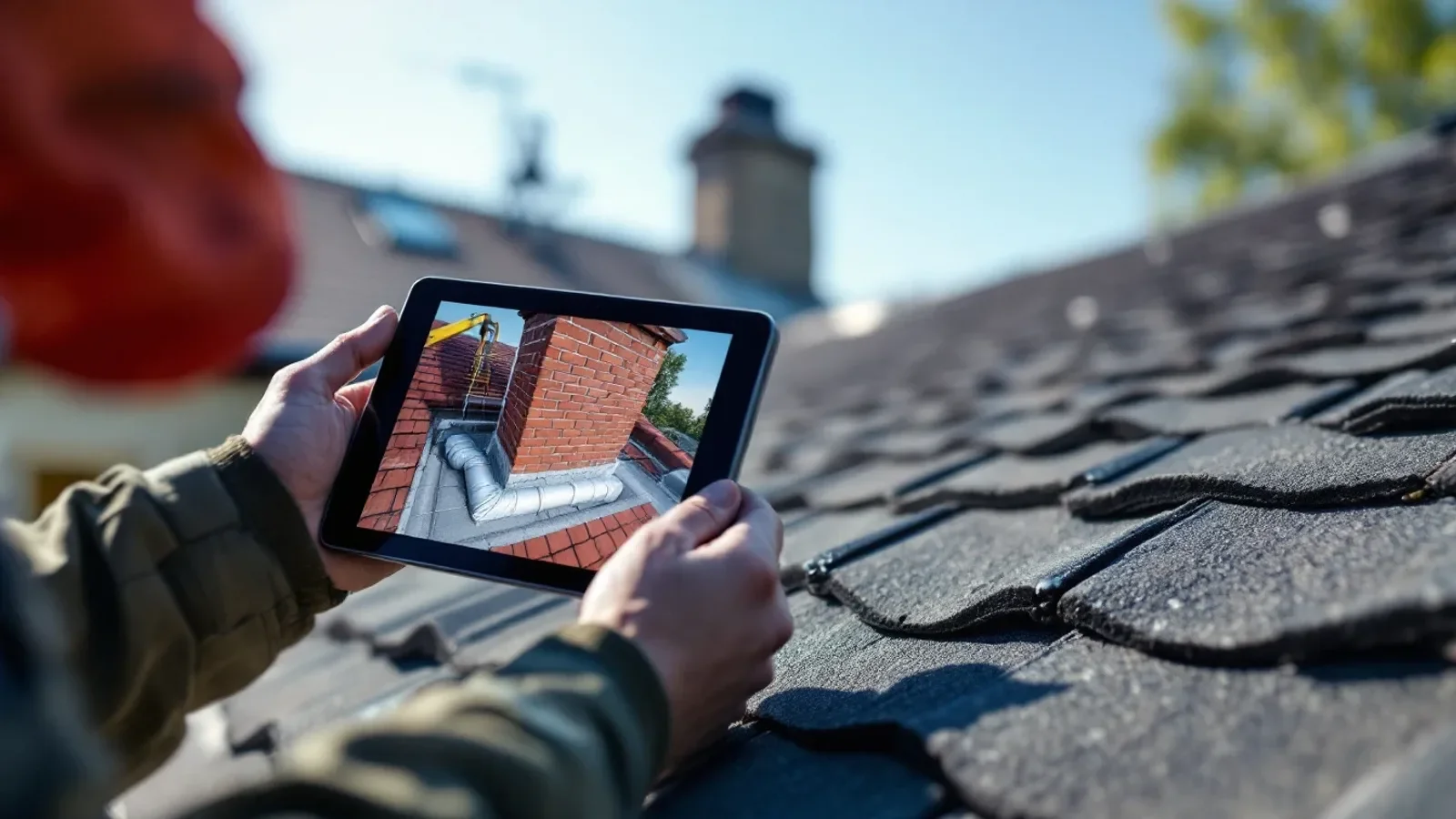
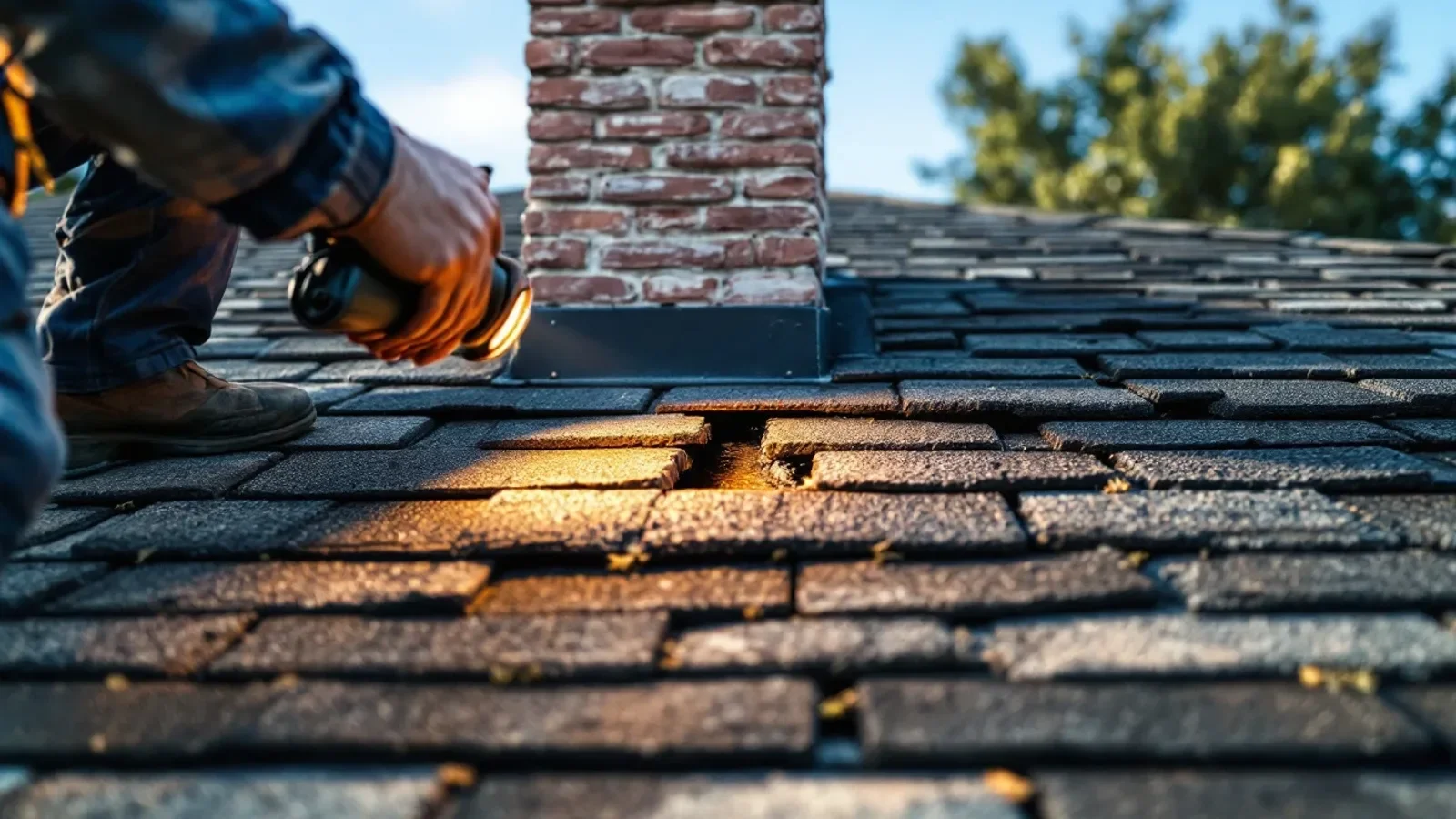
Sweeping the flue removes surface deposits, but it does not tell you whether the flue liner has cracks, whether the smoke chamber has spalled mortar, or whether the crown has deteriorated enough to let water in. These are structural issues that worsen every season they go unaddressed. A chimney that looks clean from the firebox can still have a cracked liner that allows combustion gases, including carbon monoxide, to migrate into living spaces. Professional service combines the cleaning pass with a Level 1 inspection (visual, no special equipment) at minimum, and a Level 2 camera inspection when the system has not been evaluated recently or when a change in use is planned. DIY kits include no inspection component at all. If you are weighing the scope of a professional visit, the article on what drives chimney inspection costs in Milpitas explains the factors that affect the overall service scope.
6. Roof and Height Safety Is a Real Risk
Accessing the top of a chimney requires working on the roof, often near the ridge line. In Milpitas, roof pitches vary considerably between the flat-roofed townhomes common near the Great Mall corridor and the steeper-pitched single-family homes in the Sunnyhills and Hillsborough Park neighborhoods. A steep pitch combined with morning marine layer condensation creates slippery conditions that are not obvious from the ground. Professional sweeps carry appropriate fall-protection equipment, are trained in roof safety, and carry liability insurance that covers on-site accidents. Homeowners working without that equipment or training face genuine fall risk. This is not a reason to avoid understanding your chimney, but it is a reason to leave the roof-level work to someone equipped for it.
7. Animals and Blockages Require More Than a Brush
Many Concord homeowners rely on expert chimney inspection and cleaning in sunnyvale california what to expect in Concord for exactly this.
Milpitas sits along a wildlife corridor that connects the Diablo Range foothills to the South Bay wetlands. Raccoons, squirrels, and birds, particularly European starlings and chimney swifts, regularly nest inside unprotected flues. A nesting mass can be dense enough to completely block airflow, and some bird nests are protected under the Migratory Bird Treaty Act, meaning removal must follow specific protocols. A DIY brush pass against a compacted nest will not clear the obstruction and could damage the liner. Professional sweeps identify blockages before brushing begins, remove debris safely and in compliance with applicable wildlife rules, and can install a properly fitted chimney cap to prevent re-entry. If you are also evaluating whether your chimney structure needs repair after an animal intrusion, choosing the right Milpitas chimney repair service outlines what to look for in a qualified contractor.
Frequently Asked Questions
Is it ever acceptable to do any chimney maintenance yourself?
Light homeowner maintenance is reasonable and encouraged. Clearing ash from the firebox, checking that the damper opens and closes fully, replacing a smoke or carbon monoxide detector battery, and keeping the area around the hearth clear of combustibles are all safe tasks. What falls outside DIY territory is anything inside the flue itself, on the roof, or involving structural components of the chimney system.
How often should a Milpitas home’s chimney be professionally cleaned?
The NFPA 211 standard recommends at least one inspection per year and cleaning whenever deposits warrant it, which for an average wood-burning fireplace used through the Bay Area’s cooler months typically means once annually. Homes that burn frequently or use unseasoned wood may need service more often. Our Milpitas chimney maintenance schedule guide breaks this down by fuel type and usage pattern.
What should I ask a chimney sweep before hiring them?
Ask whether they perform a camera inspection as part of the service, what containment equipment they use to protect your home during cleaning, and whether they are familiar with BAAQMD Spare the Air requirements. A sweep who can speak confidently to all three points is prepared for the specific conditions Milpitas homeowners face.
DIY chimney cleaning is not inherently reckless for every task, but for the core work inside the flue, on the roof, and in evaluating structural integrity, the gap between what a brush kit provides and what a professional Milpitas chimney sweep delivers is significant. If your fireplace has not been serviced this season, reach out to schedule a professional chimney cleaning and inspection before the next burn night arrives.