Chimney Inspection Cost Factors Every Milpitas Homeowner Should Know
Most people assume chimney inspections are priced like an oil change: one flat fee, no surprises. In Milpitas, that assumption can leave homeowners caught off guard. The variables that shape what you actually pay range from the physical condition of your flue to the Bay Area’s specific burning regulations, and understanding them before you call is the fastest way to budget accurately and avoid sticker shock.
1. Level of Inspection Required
- Confirm which NFPA 211 inspection level applies to your situation before scheduling: Level I, II, or III each covers a different scope of work.
- Request a Level I if the chimney has been used normally with no changes to the appliance or fuel type, and no known damage.
- Expect a Level II when you have recently purchased the home, changed heating equipment, or experienced any unusual event such as a chimney fire or earthquake.
- Understand that a Level III applies only when hidden damage is suspected and may involve removing portions of the structure to access concealed areas, which increases labor time significantly.
- Ask the technician upfront which level they are recommending and why, so the scope is agreed on before work begins.
2. Access and Physical Conditions at Your Property
- Note whether your chimney stack is accessible from a standard pitched roof or requires specialized ladder equipment for steeper slopes common in Milpitas hillside neighborhoods.
- Identify obstructions around the chimney crown, including overhanging oak or bay laurel branches, which are frequent in older Milpitas lots and add setup time.
- Check whether your attic or crawl space provides clear access to the firebox surround, since restricted access increases the time needed for a thorough inspection.
- Factor in multi-story homes: the higher the roofline, the more equipment and time is involved in reaching and safely working at the top of the flue.
- Consider that detached garages or outbuildings with wood-burning stoves on the same property may require separate inspection visits, each carrying its own labor component.
3. Chimney Age, Material, and Structural Condition
If you want it handled correctly the first time, consider professional chimney inspection and cleaning in sunnyvale california what to expect in Concord.
- Identify the approximate construction era of your home: Milpitas saw significant residential development between the 1950s and 1980s, and masonry chimneys from that period often have aging mortar joints that require closer scrutiny.
- Determine whether your flue liner is clay tile, cast-in-place, or a stainless steel liner insert, since each material presents different inspection challenges and tool requirements.
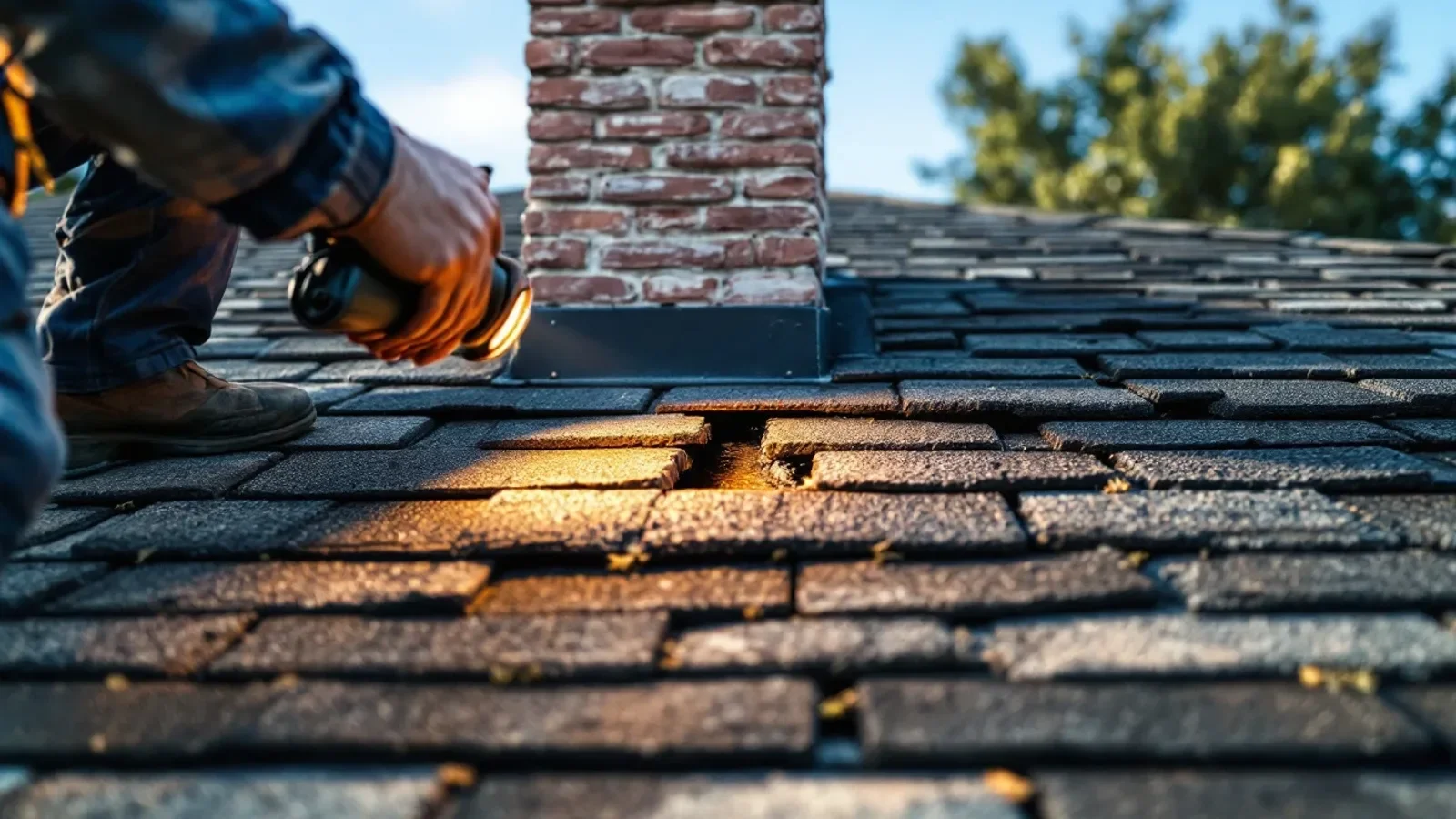
- Look for visible spalling, efflorescence (white mineral staining), or cracked crown concrete before the technician arrives, as these are indicators that more detailed investigation will be needed.
- Understand that an unlined or previously relined flue typically requires additional documentation time and may prompt a recommendation for chimney repair evaluation to assess structural integrity.
- Note that prefabricated metal fireplaces, popular in Milpitas tract homes built after 1975, have different inspection protocols than traditional masonry, and replacement parts for aging factory-built units can affect the overall service scope.
4. Creosote Accumulation and Cleaning Scope
- Recognize that inspection and cleaning are often performed together: if significant creosote buildup is discovered during the inspection, same-visit cleaning adds labor and disposal time to the total.
- Learn the three stages of creosote: Stage 1 (light, flaky deposits) is the easiest to remove; Stage 2 (tar-like, hardened glaze) requires rotary tools; Stage 3 (dense, shiny glazed buildup) may need chemical treatment before mechanical removal can proceed.
- Understand that Bay Area households who burn infrequently, perhaps only on Spare the Air-exempt days, may accumulate Stage 2 deposits faster than high-use households because slow, smoldering fires produce more condensate.
- Review how to spot creosote warning signs before your appointment so you can give the technician accurate usage history.
- Ask whether the quoted inspection price includes a basic brushing or whether cleaning is quoted separately, so you are comparing equivalent scopes when evaluating service options.
5. Video Camera Scanning and Diagnostic Equipment
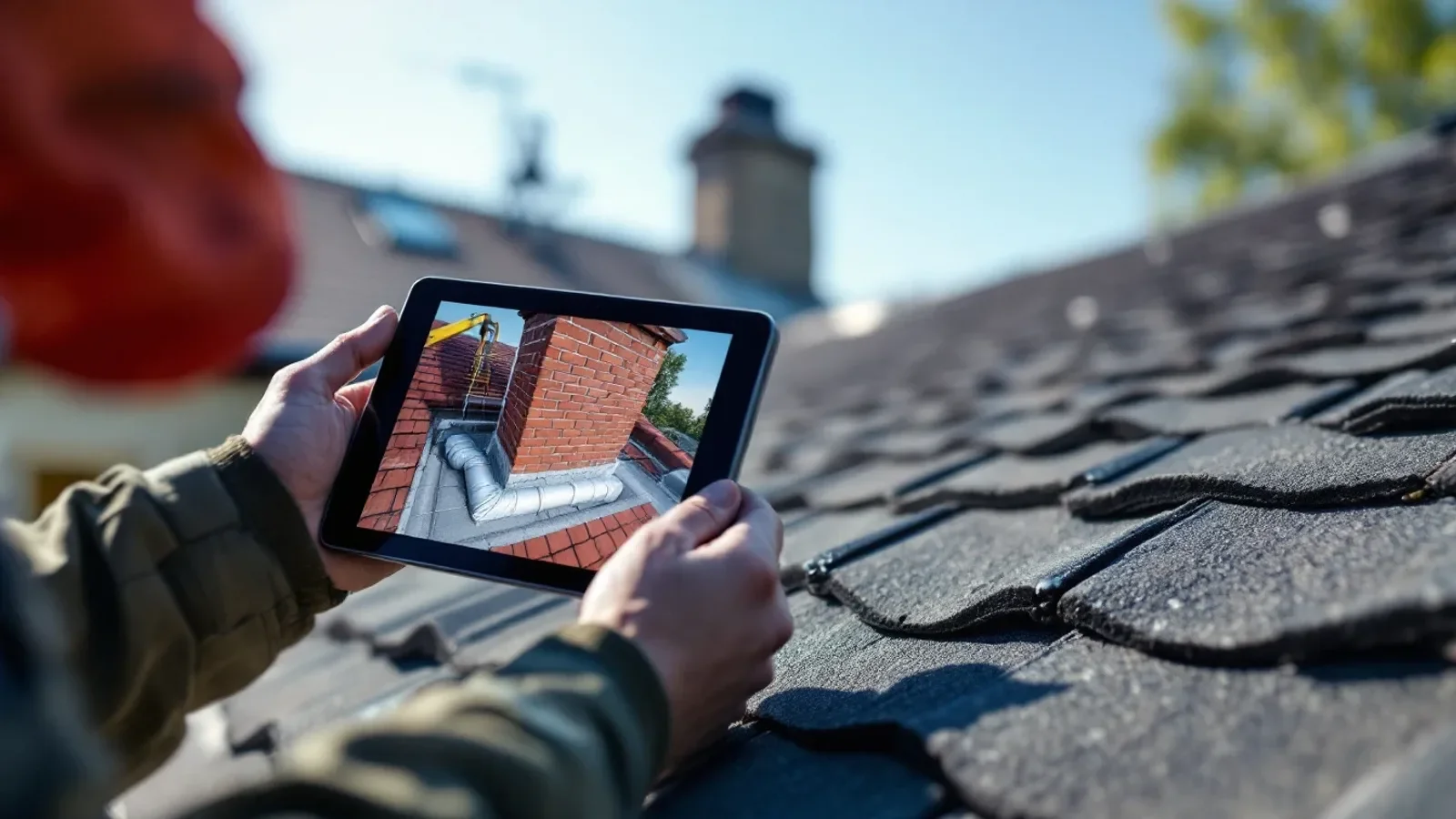
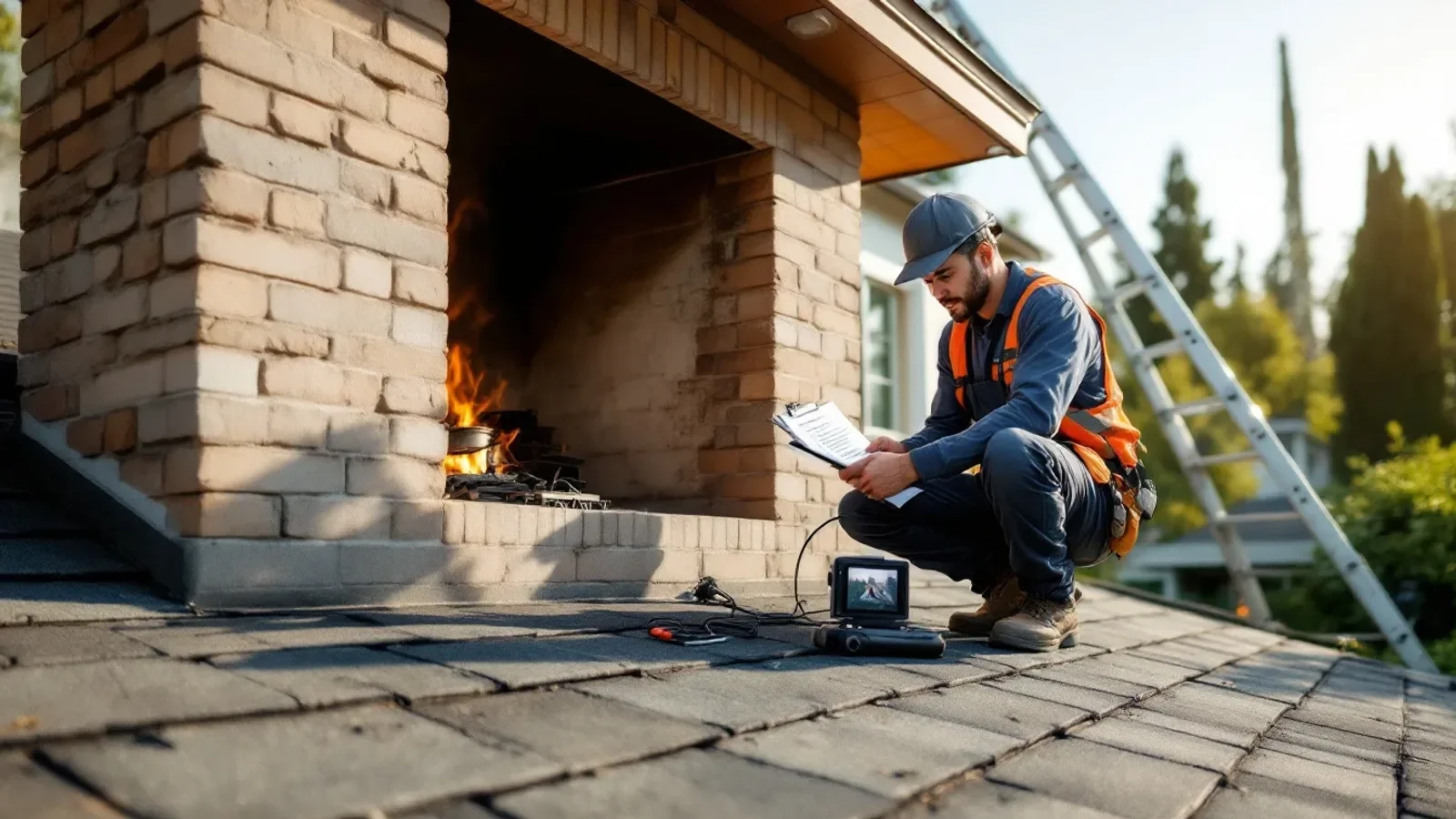
- Ask whether a closed-circuit camera scan is included in the inspection or priced as an add-on: video scanning is the only reliable way to identify cracks, offsets, or deteriorated mortar inside the flue that a mirror inspection cannot catch.
- Understand that camera scans are strongly recommended for any Milpitas home that has not had a documented inspection in the past three years, given the region’s seismic activity and the potential for hairline cracks from minor tremors.
- Note that some older Milpitas chimneys have offset flue sections, bends, or corbelling that make camera navigation more time-intensive, which is reflected in the labor component of the quote.
- Confirm that any video findings will be shared with you directly, either as still images or a recorded walkthrough, so you have documentation for insurance or real estate purposes.
6. Milpitas-Specific Considerations
Many Concord homeowners rely on expert chimney inspection and cleaning in sunnyvale california what to expect in Concord for exactly this.
- Account for Bay Area Air Quality Management District (BAAQMD) Spare the Air rules: Milpitas homeowners who burn wood are subject to seasonal no-burn alerts, and an up-to-date inspection record helps demonstrate compliance if questions arise.
- Consider the marine influence on local weather: Milpitas sits at the southern end of San Francisco Bay, and the cool, moisture-laden air that settles in the South Bay during late fall and winter accelerates condensation inside flues, which can speed up creosote formation even with moderate use.
- Be aware that the 1989 Loma Prieta earthquake and subsequent seismic events have left some older Milpitas masonry chimneys with concealed mortar damage, making a Level II inspection with camera scan a sound baseline choice for homes built before 1990.
- Note that Milpitas sits adjacent to significant wildland-urban interface areas near the Diablo Range foothills; ember-resistant chimney caps and screens are sometimes required or strongly recommended by local fire safety guidance, and a technician can assess whether your current cap meets those expectations during the inspection visit.
- Understand that real estate transactions in the Milpitas market frequently require a Level II inspection as a condition of sale, so scheduling early in the escrow period avoids timeline pressure that can limit your ability to compare service options carefully.
- Check whether your homeowner’s insurance carrier requires documented annual inspections: several carriers serving the South Bay have tightened their requirements for wood-burning appliances in recent policy cycles, and a written inspection report is the documentation they typically accept.
7. Bundling Services and Scheduling Timing
- Ask whether combining an inspection with a scheduled chimney cleaning in a single visit reduces the total labor time compared to booking them separately.
- Schedule before the October-through-February burning season begins: demand for chimney sweeps in the South Bay peaks sharply in late September and early October, and booking in late summer typically means shorter lead times and more flexible scheduling windows.
- Inquire whether the technician can assess your damper, smoke shelf, and firebox refractory panels in the same visit, since bundling related observations avoids a return trip charge.
- Consider whether a post-cleaning checkup aligns with the guidance in fireplace maintenance after a professional cleaning, which can help you extend the interval between full service visits.
- If you are uncertain whether a full inspection or just a cleaning is warranted, review the Milpitas chimney cleaning and inspection schedule guide for a clear framework on recommended intervals based on usage patterns.
8. What to Prepare Before the Technician Arrives
- Clear the area around the firebox opening of rugs, furniture, and decor so the technician has unobstructed access from the first minute of the appointment.
- Locate any prior inspection reports, permits, or repair records for the chimney, even informal notes from a previous owner, since usage history helps the technician calibrate the scope quickly.
- Write down your approximate burn frequency: how many fires per week during the season, what type of wood you burn (seasoned hardwood, manufactured logs, or mixed), and whether you have noticed any unusual odors, smoke rollout, or draft problems.
- Confirm that the fireplace has not been used for at least 24 hours before the appointment so the firebox and flue are cool to the touch.
- Ask whether DIY cleaning attempts have been made in the past, since improper brushing can redistribute creosote deeper into the flue system; the technician needs that context to interpret what they find. For more on why professional service matters, see the risks of DIY chimney cleaning in Milpitas.
Ready for the next step? Learn how chimney inspection and cleaning in sunnyvale california what to expect services in Concord can help and reach out to the team.
Frequently Asked Questions
Does a chimney inspection always include cleaning?
Not automatically. An inspection assesses the condition of the flue, liner, crown, and firebox, while cleaning removes combustion deposits. Many technicians offer both in a combined visit, which is often more efficient, but it is worth confirming the scope of each service when you book so you know exactly what is covered.
How do Milpitas Spare the Air days affect when I should schedule?
Spare the Air alerts restrict wood burning on days when Bay Area air quality is forecast to be unhealthy. Having a current inspection on file means you are ready to burn safely on the days when burning is permitted, rather than discovering a problem mid-season. Scheduling your inspection before the first no-burn period of the year keeps your options open.
What makes a Level II inspection different from a standard checkup?
A Level II inspection includes all the elements of a Level I plus a camera scan of the full length of the flue and accessible portions of the chimney structure. NFPA 211 recommends it whenever there has been a change in the system, a real estate transaction, or any event that could have affected the chimney’s integrity, such as an earthquake or nearby structure fire.
Understanding what drives chimney inspection pricing in Milpitas puts you in a much stronger position to ask the right questions, compare quotes on equal terms, and plan maintenance before a small issue becomes a costly repair. When you are ready to schedule, our team is available to walk through the specifics of your home and recommend the right service level. Contact Nation Wide Chimney Sweep & Repair today to book your Milpitas inspection.