
Chimney Repair in Milpitas: How to Evaluate What Your Chimney Actually Needs
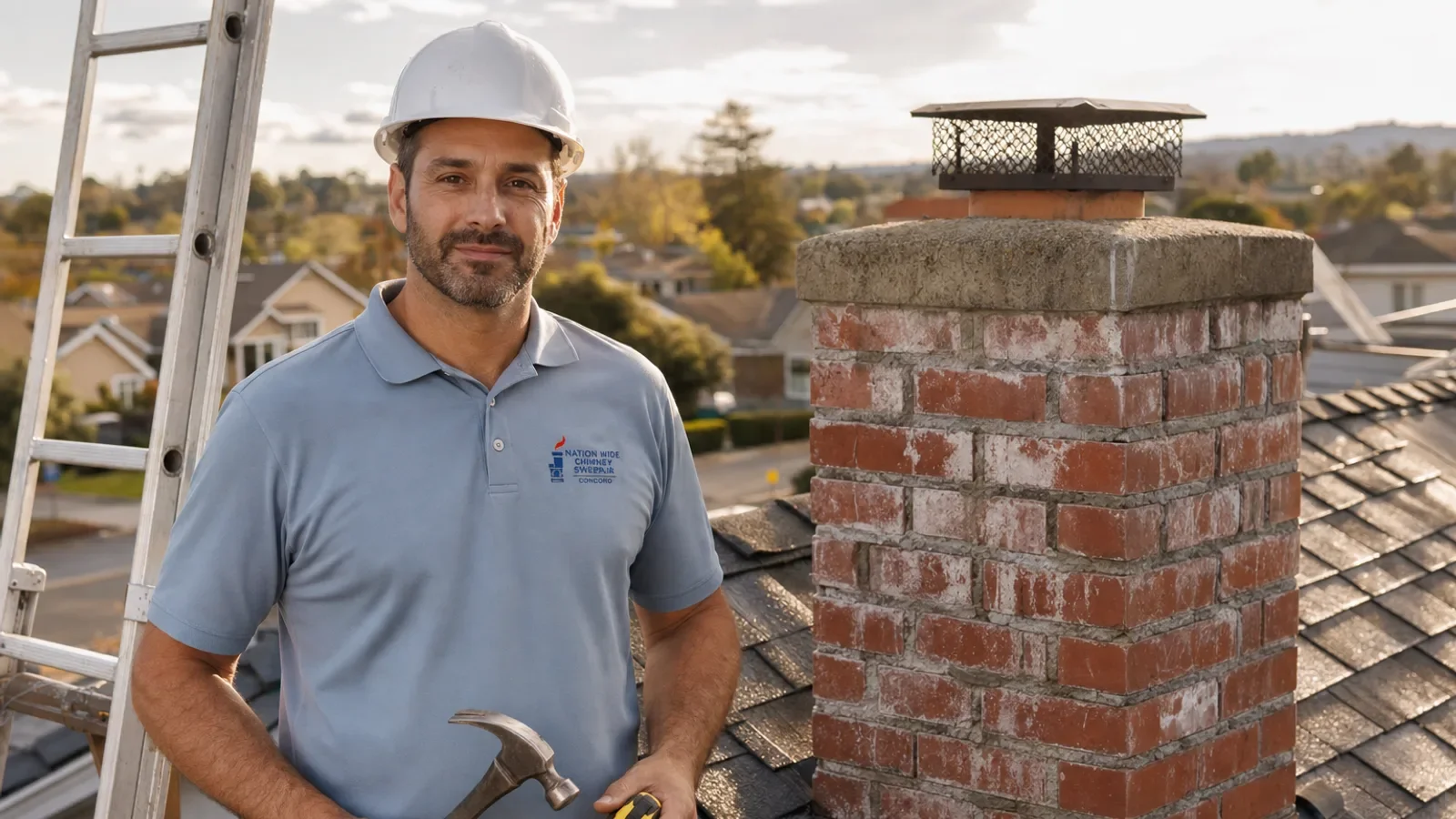
A chimney that looks fine from the backyard can be hiding serious structural problems inside the flue, along the crown, or deep in the mortar joints. For Milpitas homeowners, the local climate and soil conditions add layers of complexity that generic repair guides rarely address. This post walks you through the real diagnostic factors, explains what drives repair scope and complexity, and helps you have a smarter conversation with a qualified technician before any work begins.
Why Milpitas Chimneys Face Unique Wear Patterns
Santa Clara County’s Seismic Environment
Milpitas sits within one of the more seismically active corridors in Santa Clara County, positioned between the Calaveras and Hayward fault systems. Masonry chimneys are among the most vulnerable structures during ground movement. Even minor tremors, ones you might not notice, can widen mortar joints, crack flue tiles, and shift the chimney stack out of plumb. These micro-movements accumulate over years. A chimney that was properly built a decade ago may now have hairline separations at the crown or along the firebox throat that weren’t there before.
Coastal Fog, Dew Cycles, and Mortar Degradation
The Bay Area’s characteristic fog pattern means Milpitas chimneys cycle through moisture absorption and drying more frequently than chimneys in drier inland climates. Mortar is porous. Each wet-dry cycle causes slight expansion and contraction. Over many seasons, this process erodes the mortar between brick courses, a problem called spalling or joint erosion, and it accelerates significantly if the chimney cap or crown is cracked and allowing water to enter from the top. By the time you see white efflorescence staining on the exterior bricks, moisture has already been working through the masonry for some time.
Age of Milpitas Housing Stock
A significant portion of Milpitas residential neighborhoods was developed between the 1960s and 1980s. Chimneys from that era were often built with materials and techniques that met the codes of the time but fall short of current NFPA 211 standards. Older fireclay flue liners may be undersized for modern inserts, and the original mortar compounds used before the 1990s tend to break down faster under thermal cycling. If your home falls in that construction window, age alone is a reason to schedule a Level II inspection rather than assuming everything is fine.
The Diagnostic Process: What a Proper Inspection Covers
Level I vs. Level II Inspections
Not all inspections are the same. NFPA 211 defines three inspection levels, and the right one depends on your situation. A Level I inspection covers accessible portions of the exterior and interior, checking for basic soundness and clearances. It is appropriate for chimneys that have been in regular use with no changes to the appliance or fuel type. A Level II inspection goes further, including a video scan of the flue interior. This level is required any time you sell or purchase a home, after any seismic event, or when you suspect hidden damage. For most Milpitas homeowners who haven’t had a professional look at their chimney in several years, a Level II is the more informative starting point. Nation Wide Chimney Sweep & Repair serves Milpitas and can walk you through which inspection level fits your specific situation.
What the Camera Reveals Inside the Flue
A video inspection camera travels the full length of the flue liner and transmits real-time footage to a monitor. Technicians look for cracked or offset flue tiles, gaps at liner joints, heavy creosote deposits, and signs of past chimney fires (which leave a distinctive glazed residue). Offset joints are particularly important because even a small misalignment can allow combustion gases, including carbon monoxide, to migrate into wall cavities. None of this is visible from the firebox opening or the rooftop without camera equipment.
Exterior Structural Assessment
The inspection doesn’t stop at the flue. A thorough exterior assessment examines the chimney crown (the concrete or mortar cap that seals the top of the masonry), the flashing where the chimney meets the roofline, the condition of the mortar joints across all exposed brick courses, and the overall plumb of the stack. In Milpitas, flashing failures are a common source of interior water damage because the transition between roofing material and masonry is a natural weak point that thermal movement widens over time. Rusted or lifted flashing often goes unnoticed until a homeowner sees a water stain on the ceiling near the fireplace.
Common Repair Categories and What Drives Their Complexity
Tuckpointing and Mortar Joint Repair
Tuckpointing, the process of removing deteriorated mortar and replacing it with fresh compound, is one of the most common masonry repair tasks in Milpitas. The complexity depends on how many courses are affected, how deeply the erosion has penetrated, and whether the brick faces themselves have begun to spall. Shallow joint erosion caught early is a straightforward repair. Erosion that has reached the inner wythe of the chimney wall, or that has allowed water intrusion to freeze and expand the damage (less common here than in colder climates, but not impossible during cold snaps), requires more extensive work. The mortar mix used for repointing matters too. Using a mortar that is harder than the surrounding brick can actually accelerate brick damage, so matching the original mortar composition is a technical consideration, not just an aesthetic one.
Crown Repair and Replacement
The chimney crown is the first line of defense against water entry. A properly formed crown slopes away from the flue collar and overhangs the brick slightly to direct water clear of the masonry. Many older Milpitas chimneys have crowns that were formed with basic mortar rather than a purpose-mixed crown material, making them prone to cracking. Small cracks can often be sealed with a flexible crown coat product. Larger failures, where sections have broken away or the crown has separated from the flue liner, typically require full replacement. Leaving a failed crown in place accelerates deterioration of everything below it.
Flue Liner Repair and Relining
Flue liner repair is where chimney work can become significantly more involved. Options include applying a cast-in-place liner system (a poured refractory material that coats the interior of the existing flue), installing a stainless steel liner, or replacing individual cracked clay tile sections where access allows. The right approach depends on the extent of the damage, the chimney’s dimensions, and what appliance it serves. A wood-burning fireplace, a gas insert, and an oil furnace all have different liner requirements under NFPA 211. A technician who performs chimney repair in Milpitas should be able to explain which liner solution fits your specific appliance and flue geometry.
Factors That Affect Repair Scope (Without Mentioning Prices)
Homeowners often want a ballpark before scheduling anything. While no honest professional can quote repair work without seeing the chimney, understanding what drives complexity helps set realistic expectations.
| Factor | Lower Complexity | Higher Complexity |
|---|---|---|
| Chimney height | Single-story, easily accessible | Two or three stories, steep roof pitch |
| Damage location | Exterior crown or cap only | Interior flue liner, firebox, or foundation |
| Extent of mortar erosion | Surface joints, limited courses | Multiple faces, deep penetration |
| Water intrusion history | No evidence of moisture damage | Active leaks, efflorescence, spalled brick |
| Liner condition | Minor cracks, intact tiles | Offset joints, missing sections, full relining needed |
| Seismic displacement | Stack still plumb, no separation | Visible lean, separated courses |
| Appliance type served | Open wood fireplace, standard dimensions | Gas insert or oil furnace requiring specific liner spec |
The Creosote Factor: Why Cleaning and Repair Go Together
How Creosote Buildup Masks Structural Problems
One reason chimney inspections and cleaning are typically done together is that heavy creosote deposits can physically hide cracks, gaps, and deteriorated tile surfaces. A technician trying to assess liner condition through a thick layer of stage-two or stage-three creosote is working with incomplete information. Scheduling a chimney cleaning in Milpitas before or alongside a structural inspection gives the technician a clear view of what is actually happening with the liner surfaces. Nation Wide Chimney Sweep & Repair routinely combines these services so nothing gets missed.
Creosote Stages and What They Mean for Your Chimney
Creosote accumulates in three stages. Stage one is a light, flaky deposit that brushes away easily. Stage two is a harder, tar-like buildup that requires rotary tools to remove. Stage three is a glazed, shiny coating that has essentially fused to the liner surface and often requires chemical treatment before mechanical removal. Each stage represents increasing fire risk and increasing difficulty of removal. The stage of buildup present in your flue also tells a technician something about how the fireplace has been used: slow, smoldering fires with wet or unseasoned wood produce creosote far faster than hot, efficient burns with properly seasoned hardwood.
When a Chimney Fire Has Already Occurred
Chimney fires are not always dramatic events with visible flames shooting from the top. Many are slow, low-temperature events that a homeowner never notices. The evidence shows up later: a distinctive honeycomb or puffy texture on creosote deposits, cracked or collapsed flue tiles, and sometimes warped damper components. If you have any reason to suspect a past chimney fire, a Level II inspection with camera documentation is not optional. It is the only way to confirm whether the liner is still safe to use.
Red Flags That Mean You Should Not Wait
Visible Signs From Inside the Home
Some warning signs appear inside the house before they become visible on the exterior. A persistent smoky smell when the fireplace is not in use suggests gaps in the liner or a failed damper seal allowing outside air and odors to enter the living space. White staining or peeling paint on the wall near the fireplace often indicates moisture migration through the masonry. A damper that no longer seals properly, or one that is difficult to operate, may have warped from heat or corroded from condensation. None of these issues resolve on their own.
Exterior Warning Signs Visible From the Ground
You do not need to climb on the roof to spot several important warning signs. Binoculars are useful here. Look for white efflorescence staining on the brick face, which signals active moisture movement. Look at the mortar joints: if they appear recessed or crumbly compared to the brick face, tuckpointing is overdue. Check whether the chimney cap is present and intact. A missing cap is an open invitation for water, birds, and debris to enter the flue. If the chimney stack appears to lean even slightly, that warrants immediate professional evaluation given Milpitas’s seismic history.
After Any Significant Seismic Event
Following any earthquake that you felt, even a moderate one, a chimney inspection is a reasonable precaution rather than an overreaction. Masonry is brittle. The mortar joints that hold a chimney together are not designed to flex. Post-seismic inspections frequently reveal damage that is invisible from the exterior but significant enough to make the fireplace unsafe to operate. This is especially true for chimneys in Milpitas neighborhoods where the underlying soil type amplifies ground motion.
Choosing the Right Professional for Masonry Repair in Milpitas
What Credentials and Process to Look For
Chimney work in California touches on building codes, fire safety standards, and in some cases, permit requirements. Requirements vary by municipality, so it is worth asking your technician whether a permit is needed for the specific scope of work being proposed, and confirming with your local building department if you have any doubt. Look for technicians who can explain their diagnostic process clearly, provide written documentation of inspection findings (ideally with camera footage), and specify which repair method they are recommending and why. Vague proposals with no explanation of what was found and what will be done are a reason to ask more questions.
The Value of a Written Inspection Report
A professional inspection should produce a written report with photographs or video documentation. This serves multiple purposes. It gives you a clear record of the chimney’s condition at a specific point in time, which is useful for tracking changes over subsequent inspections. It also provides documentation if you are in the process of buying or selling your Milpitas home, since chimney condition is a legitimate negotiating point in a real estate transaction. Nation Wide Chimney Sweep & Repair provides inspection documentation so homeowners have a clear picture of what was found and what was recommended.
Combining Services for Efficiency
Many homeowners in Milpitas find it practical to combine a chimney sweep with a structural inspection in a single appointment. The sweep clears the flue for a clean visual and camera assessment, and any repair needs identified can be quoted at the same visit. This avoids scheduling multiple appointments and ensures the technician assessing your chimney’s structure is also familiar with its operational history from the cleaning. If you have not had your chimney professionally serviced in the past year or two, combining these services is a logical starting point.
Frequently Asked Questions
How often should a Milpitas chimney be inspected?
NFPA 211 recommends an annual inspection for any chimney in regular use. Given Milpitas’s seismic environment and moisture cycling, annual inspections are a practical minimum, not a conservative suggestion. Even if you use the fireplace only occasionally, an inspection every one to two years helps catch slow-developing issues before they become major repairs.
Can I use my fireplace if I see cracks in the mortar joints?
Visible mortar joint erosion on the exterior does not automatically mean the firebox is unsafe, but it does mean a professional should assess the extent of the damage before you continue regular use. Exterior joint erosion and interior flue damage often develop together. Using the fireplace without knowing the liner’s condition is a risk not worth taking.
What is the difference between a chimney sweep and a chimney inspection?
A chimney sweep removes creosote, soot, and debris from the flue. An inspection evaluates the structural and operational condition of the chimney system. They are related but distinct services. A sweep without an inspection cleans the chimney but tells you nothing about its structural integrity. An inspection without a sweep may be limited by heavy deposits obscuring the liner. Combining both gives you the most complete picture.
Does homeowner’s insurance cover chimney repairs in California?
Coverage depends on your specific policy and the cause of the damage. Sudden damage from a covered peril (such as an earthquake, if you carry earthquake coverage) may be covered. Gradual deterioration from normal wear is typically excluded. Review your policy and speak with your insurer directly. A written inspection report documenting the condition and cause of damage is useful when filing any claim.
How long does a typical chimney repair take?
Scope varies widely. A crown seal or minor tuckpointing job can often be completed in a few hours. A full flue relining or extensive masonry rebuilding may take one to several days depending on chimney height, access conditions, and material curing times. Your technician should give you a realistic timeframe once they have assessed the actual scope of work.
Is a permit required for chimney repair in Milpitas?
Permit requirements depend on the scope of work and local building department rules. Minor maintenance like repointing or cap replacement typically does not require a permit, while structural rebuilding or liner replacement may. Requirements vary, so confirm with the City of Milpitas Building Division or ask your technician, who should be familiar with local requirements.
Conclusion
A chimney problem rarely announces itself clearly. It shows up as a faint smell, a stain on the ceiling, or a mortar joint that looks a little rough from the driveway. In Milpitas, where seismic activity, Bay Area moisture cycles, and aging housing stock all contribute to accelerated wear, getting ahead of that deterioration with a proper inspection is simply good home stewardship. The diagnostic process is not complicated, but it does require a trained eye, the right camera equipment, and honest reporting of what is actually found. If your chimney is overdue for a professional evaluation, schedule your chimney inspection with Nation Wide Chimney Sweep & Repair today and get a clear, documented picture of exactly what your chimney needs.