
Evaluating Chimney Repair and Structural Safety in Milpitas
A chimney that looks fine from the backyard can be quietly failing inside. For Milpitas homeowners, the combination of Bay Area seismic activity, clay-heavy soils, and temperature swings between dry summers and wet winters creates conditions that accelerate masonry deterioration in ways that aren’t always obvious until something goes seriously wrong. This guide walks you through the structural warning signs, the repair options available, and how to evaluate what your chimney actually needs before lighting another fire.
Why Milpitas Chimneys Face Unique Structural Stress
Soil Movement and Foundation Shifting
Much of Milpitas sits on expansive soils that shrink during dry months and swell when the rains return. That seasonal movement transfers directly into a chimney’s footing. Over years, the repeated stress causes the mortar joints between bricks or stones to crack, the crown to develop fissures, and in more advanced cases, the entire chimney stack to lean slightly off-plumb. A lean of even a few degrees is a structural red flag, not a cosmetic one.
Seismic activity compounds this. The Bay Area experiences frequent minor tremors, and a chimney is essentially a tall, heavy, unreinforced masonry column sitting on top of a house. Without proper ties, anchors, or reinforcement, even moderate shaking can loosen the bond between courses of brick and compromise the flue liner inside.
Thermal Cycling and Masonry Fatigue
Every fire you light heats the firebox, flue tiles, and surrounding masonry to high temperatures, then lets them cool. That expansion-and-contraction cycle stresses the mortar that holds everything together. Standard mortar is softer than brick by design, which means mortar joints erode before the bricks themselves do. When joints erode past roughly a quarter inch of depth, water infiltration accelerates, and the structural integrity of the entire chimney column is at risk.
Milpitas summers can push temperatures well above 90°F, while winter nights drop enough to cause surface condensation on cold masonry. That moisture, cycling through freeze-thaw patterns in colder stretches, pries open existing cracks and deepens them season by season.
The Role of the Flue Liner
The flue liner, typically clay tile in older Milpitas homes, does more than direct smoke. It contains the byproducts of combustion and prevents heat transfer to combustible framing inside your walls. A cracked or spalled liner is not just an efficiency problem. It is a fire hazard. Inspectors frequently find liner damage in homes where the exterior masonry looks perfectly acceptable, which is exactly why visual inspection from the roofline is never sufficient on its own.
Reading the Warning Signs: What to Look For Before Calling a Pro
Exterior Masonry Signals
Walk around your chimney and look for these specific conditions:
- Spalling brick: Brick faces that have popped, flaked, or crumbled away. Spalling means water has penetrated the brick’s surface and frozen or expanded inside the pore structure.
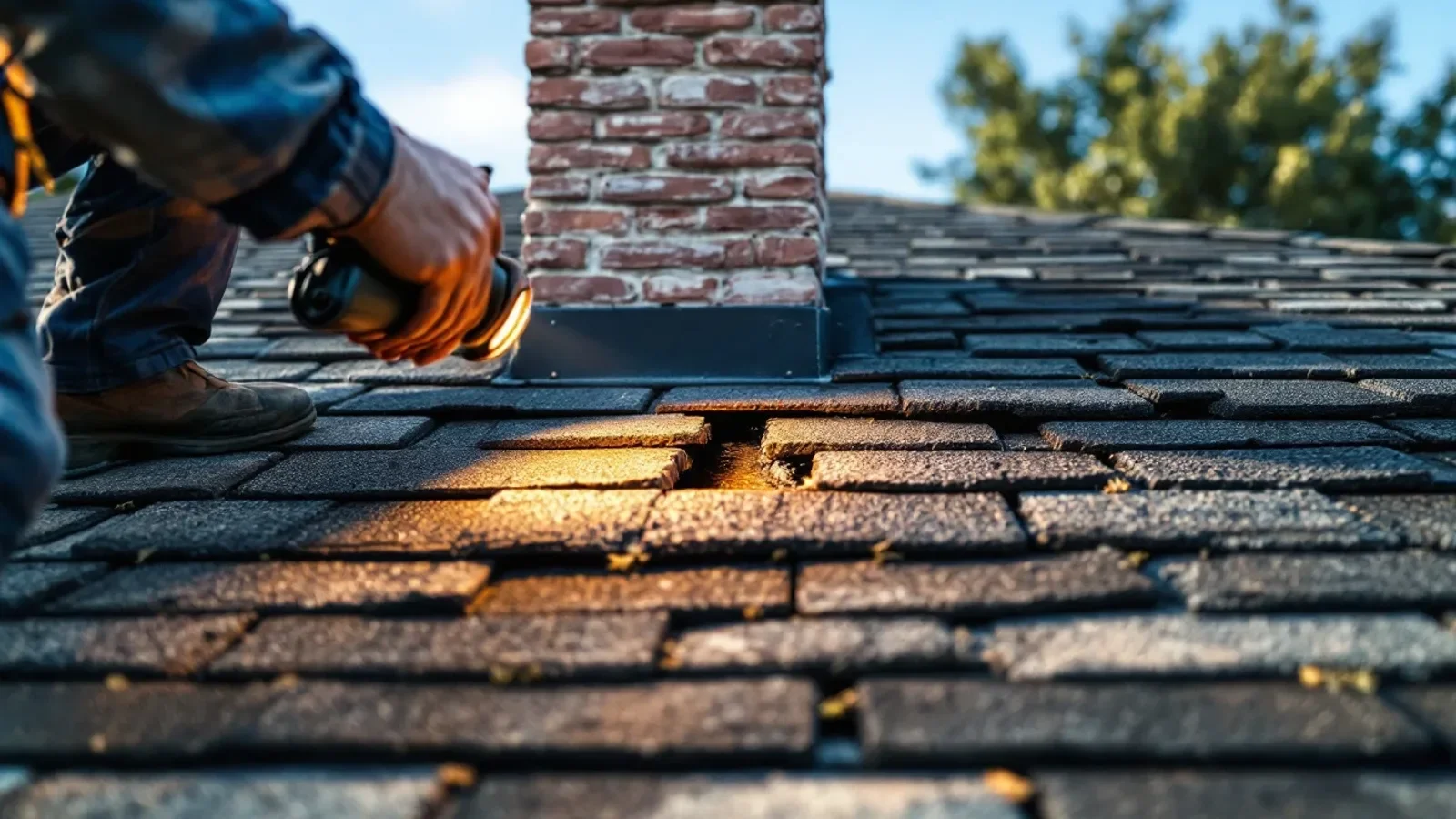
- Eroded mortar joints: Run your finger along a joint. If mortar crumbles out easily or you can push a screwdriver more than a quarter inch in, repointing is overdue.
- Efflorescence: White, chalky staining on the brick face. This mineral deposit appears when water moves through masonry and evaporates on the surface. It signals active moisture intrusion, not just past dampness.
- Crown cracking: The concrete cap at the top of the chimney protects the masonry below. Visible cracks in the crown allow water to funnel directly into the flue and the brick below the roofline.
- Leaning or bowing: Step back and sight down the chimney from the ground. Any visible tilt warrants immediate professional evaluation.
Interior and Fireplace Signals
Inside the home, structural problems often announce themselves through the fireplace opening. Staining on the firebox walls, white residue on the damper frame, or rust on the damper plate all suggest water is entering the system. A persistent smoky smell when the fireplace isn’t in use points to a draft problem that often traces back to a damaged liner or an obstruction. Cracked or missing refractory panels in the firebox itself are another sign the system needs attention before the next burn season.
When the Damage Is Hidden
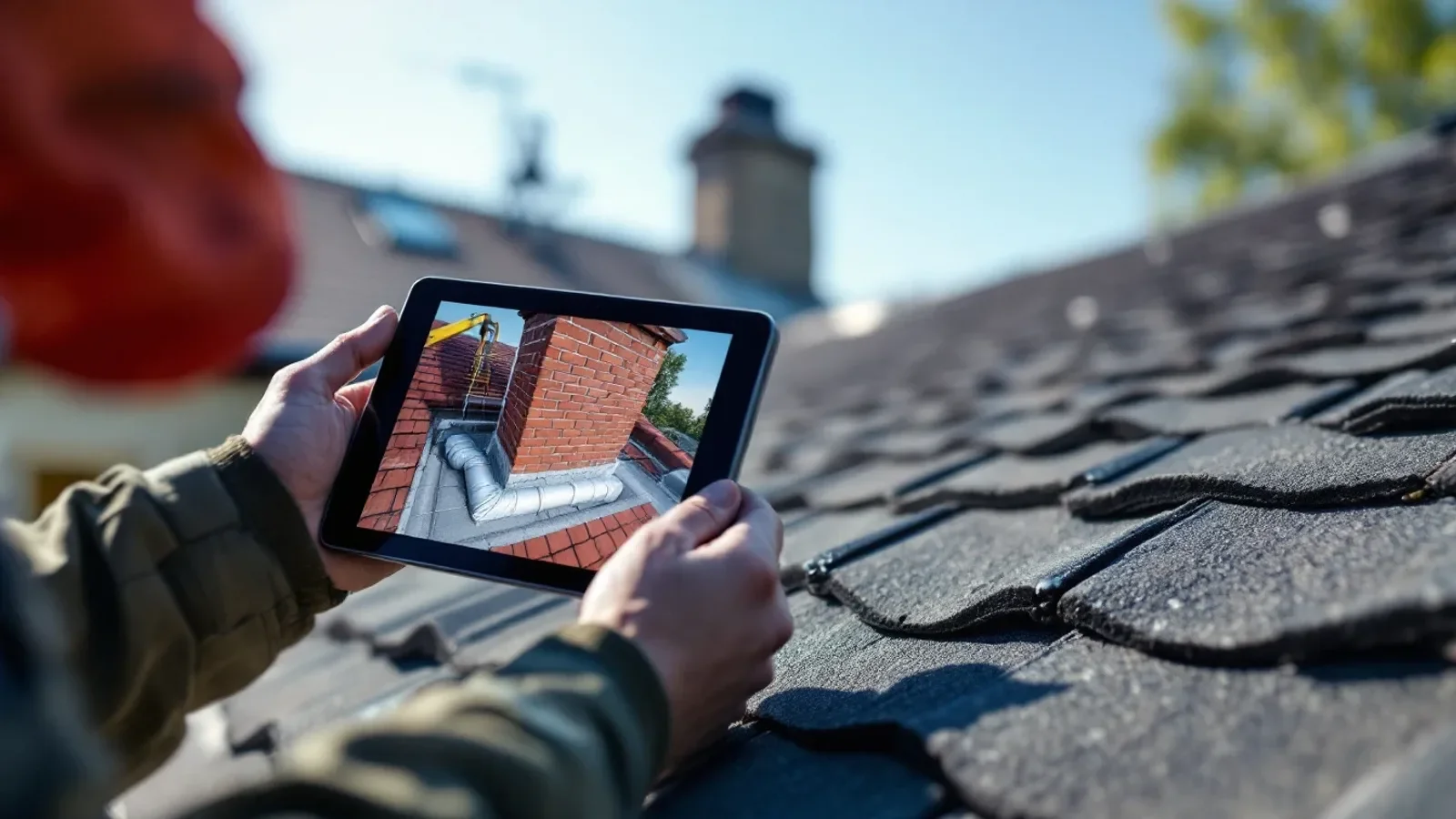
The most dangerous structural problems are the ones you cannot see without specialized equipment. A cracked clay flue tile behind intact exterior brick will not show up during a casual inspection. This is where a professional chimney inspection using a camera system becomes essential. Nation Wide Chimney Sweep & Repair serves Milpitas homeowners with camera-assisted inspections that reveal liner condition, hidden mortar failures, and blockages that no surface examination can catch. schedule a chimney inspection in Milpitas before the next fire season to know exactly what you’re working with.
Not All Chimney Damage Requires a Full Rebuild
Tuckpointing and Mortar Repair
Tuckpointing, the process of grinding out deteriorated mortar and packing fresh mortar into the joints, is one of the most cost-effective repairs available. When caught early, before water has penetrated deeply enough to spall the brick faces themselves, tuckpointing can restore structural integrity and extend the life of the masonry by decades. The key is using mortar with the right composition. Milpitas masonry work should use a mortar mix that matches the original in hardness. Using a mix that is too hard for older soft brick causes the brick faces to crack rather than the joints, which is the opposite of what you want.
Crown Repair and Waterproofing
A cracked crown can often be repaired with a flexible crown sealant rather than full replacement, provided the underlying structure is sound. After crown work, applying a vapor-permeable waterproofing sealer to the entire chimney exterior helps block liquid water while still allowing the masonry to breathe and release interior moisture. This is particularly relevant in Milpitas, where the combination of fog, dew, and seasonal rain keeps exterior surfaces damp for extended periods.
Flue Liner Relining
When clay tile liners are cracked or missing sections, relining the flue with a stainless steel liner or a cast-in-place liner system restores safe operation without tearing down the chimney. Stainless liners are sized to the specific appliance they serve, whether a wood-burning fireplace, a gas insert, or an oil furnace. A properly sized liner improves draft, reduces creosote buildup, and contains combustion gases safely. This is a repair that requires a licensed professional, both for the technical installation and to ensure the result meets local fire and building codes. Requirements vary by jurisdiction, so checking with a licensed chimney professional familiar with Milpitas and Santa Clara County codes is always the right move.
The Inspection Process: What a Thorough Evaluation Covers
Level I, Level II, and Level III Inspections
The chimney industry recognizes three levels of inspection, and understanding the difference helps homeowners ask for the right service.
| Inspection Level | What It Covers | When It’s Appropriate |
|---|---|---|
| Level I | Accessible portions of exterior and interior, basic appliance connection check | Annual maintenance when no changes have been made and the system has been working normally |
| Level II | All Level I areas plus attic, crawlspace, and basement access; camera scan of the flue | After any change in fuel type, appliance, or after a chimney fire; required at real estate transactions |
| Level III | All Level II areas plus removal of components (such as panels or masonry) to access concealed areas | When hazards are suspected that cannot be confirmed through Levels I or II |
For most Milpitas homeowners who haven’t had a recent inspection, a Level II is the appropriate starting point. It provides a complete picture of the flue interior and the surrounding structure without requiring destructive access.
What the Camera Reveals
A chimney camera scan, run from the firebox upward through the flue, documents the condition of every tile joint, identifies offset sections where tiles have shifted, locates obstructions like bird nests or debris, and shows whether the liner is continuous and intact. The technician reviews the footage in real time and can show you exactly what is happening inside the flue, which makes the repair recommendation much easier to evaluate and understand.
Connecting Inspection to Repair Scope
One of the most common mistakes homeowners make is authorizing repairs without a documented inspection first. Repair scope should always follow from inspection findings, not the other way around. A reputable chimney professional will provide a written inspection report that identifies each deficiency, its location, and the recommended remedy before any work begins. Nation Wide Chimney Sweep & Repair approaches every Milpitas job this way, so homeowners understand exactly what is being repaired and why.
Chimney Cleaning as a Structural Maintenance Tool
Creosote and Its Structural Consequences
Most people understand that creosote is a fire risk. Fewer realize it also accelerates structural damage. Stage 3 creosote, the dense, tar-like form that accumulates in chimneys with poor draft or consistently cool flue temperatures, is highly corrosive. It attacks mortar joints and clay tile surfaces over time, weakening the liner from the inside out. Regular chimney cleaning removes creosote before it reaches advanced stages, which protects both the liner and the surrounding masonry.
The Chimney Safety Institute of America (CSIA) recommends cleaning when creosote or soot accumulation reaches an eighth of an inch or more. In practice, an annual sweep before the burn season keeps accumulation manageable and gives the technician a chance to spot emerging structural issues before they become expensive repairs.
Clearing Obstructions That Cause Structural Stress
Bird nests, leaves, and other debris don’t just block draft. They trap moisture inside the flue, which accelerates mortar and tile deterioration from the inside. A chimney sweep removes these obstructions and inspects the cap and spark arrestor that should be preventing them in the first place. A missing or damaged chimney cap is one of the easiest structural problems to fix and one of the most damaging to ignore.
How Often Milpitas Homeowners Should Schedule Service
For a wood-burning fireplace used regularly through the winter months, an annual cleaning and inspection is the standard recommendation. Gas fireplace chimneys accumulate less creosote but still need annual inspection because combustion byproducts and moisture can still damage the liner and masonry. If a fireplace has been unused for several years, schedule a Level II inspection before the first use, regardless of when it was last cleaned.
Evaluating Repair Quotes: What to Ask and What to Watch For
Questions Worth Asking Any Chimney Contractor
Before authorizing repair work in Milpitas, ask the contractor these specific questions:
- Are you CSIA-certified or do you follow CSIA standards for inspection and repair?
- Will you provide a written inspection report documenting each deficiency before the repair quote?
- What mortar mix will you use for tuckpointing, and how does it match the existing masonry hardness?
- If relining is recommended, what liner material and diameter are you specifying, and why?
- Do you pull permits for structural masonry work in Santa Clara County when required?
- What is your process for documenting the completed repair, and will I receive photos of the finished work?
Red Flags in a Repair Proposal
A repair proposal that skips the inspection step and goes straight to a rebuild recommendation deserves scrutiny. So does a proposal that recommends the same scope for every chimney without tailoring the work to documented findings. Responsible chimney repair starts with an honest assessment of what is actually wrong, not a default package.
Understanding What Drives Repair Costs
Several factors affect the scope and complexity of chimney repair, none of which involve a fixed price. Chimney height determines how much staging or ladder access is required. The extent of mortar erosion determines how many linear feet of tuckpointing are needed. Liner condition determines whether a partial repair or full relining is warranted. Accessibility from the roof and the fireplace opening both factor in. A thorough written estimate will break these elements down so you can understand what you’re paying for rather than comparing a single bottom-line number.
Frequently Asked Questions
How do I know if my chimney needs repair or just cleaning?
Cleaning removes combustion deposits like creosote and soot. Repair addresses physical defects: cracked mortar, spalling brick, damaged liner tiles, a failing crown, or structural misalignment. Many chimneys need both. An inspection performed during or after a cleaning is the most efficient way to determine which applies to your situation.
Is it safe to use my fireplace if I see cracks in the mortar?
It depends on where the cracks are and how severe they are. Surface crazing on the exterior is different from cracked flue tiles or failing mortar deep in the firebox. Until a professional inspection confirms the liner is intact and the firebox is structurally sound, it’s safer to hold off on fires. A cracked liner can allow heat and combustion gases to reach combustible framing inside your walls.
What is tuckpointing, and how long does it last?
Tuckpointing is the process of removing deteriorated mortar from between masonry units and packing in fresh mortar. When done with the correct mortar mix and proper joint preparation, it can last 20 to 30 years. Longevity depends on the quality of the mortar match, the thoroughness of the prep work, and whether a waterproofing sealer is applied afterward to reduce future moisture intrusion.
Does a gas fireplace chimney need the same maintenance as a wood-burning one?
Gas fireplaces produce less creosote, but the flue and masonry still require annual inspection. Combustion byproducts from gas appliances are corrosive to liner materials over time, and moisture-related masonry damage occurs regardless of fuel type. Annual inspection catches these issues early.
What is a chimney cap, and why does it matter structurally?
A chimney cap is the metal cover fitted over the flue opening at the top of the chimney. It blocks rain, snow, debris, and animals from entering the flue. Without a cap, water flows directly into the liner and masonry, dramatically accelerating mortar erosion, liner cracking, and interior moisture damage. Replacing a missing or damaged cap is one of the highest-return maintenance steps a homeowner can take.
How soon after buying a home in Milpitas should I have the chimney inspected?
Before the first use. A Level II inspection is the standard recommendation at any real estate transaction. Seller disclosures rarely include detailed chimney condition information, and prior inspection records are often unavailable. Starting with a documented baseline protects you from inheriting unknown structural problems.
Conclusion
Structural chimney problems in Milpitas rarely announce themselves dramatically. They develop gradually through mortar erosion, liner fatigue, and moisture intrusion, until a small repair becomes a significant one. The most effective thing a homeowner can do is stay ahead of that curve with regular inspections and cleaning, and address documented deficiencies promptly with qualified professionals. Ready to know exactly where your chimney stands? book your Milpitas chimney inspection today and get a clear, written assessment of what your system needs before the next fire season.