How Wet Weather Reveals Hidden Chimney Repair Needs in Milpitas
Milpitas gets a concentrated dose of Bay Area rain between November and April, and your chimney absorbs every drop. Most homeowners notice the fireplace only when they want a fire, which means moisture damage can quietly work through mortar joints, flue liners, and masonry for months before anyone spots it. This guide walks you through exactly what wet weather does to a chimney, the warning signs that demand professional attention, and how a proper inspection and sweep protects your home before small problems become expensive ones.
Why Milpitas Weather Is Unusually Hard on Masonry Chimneys
The Freeze-Thaw Cycle Still Applies Here
The South Bay does not get the brutal winters of the Sierra Nevada, but Milpitas sits at the base of the Diablo Range foothills, where overnight temperatures can dip into the upper 30s even during rainstorms. Water that seeps into a hairline mortar crack during the day can expand slightly when temperatures drop overnight. Repeat that cycle across a wet season and a minor crack becomes a fractured mortar joint. Repeat it across two or three seasons and the brickwork itself can begin to spall, meaning the face of the brick flakes away and exposes the softer interior material to further moisture intrusion.
Bay Area Fog Adds Sustained Moisture Exposure
Rain events are one thing. The persistent coastal fog that rolls through the Santa Clara Valley from late spring into summer is another. Fog deposits moisture slowly and continuously on exterior masonry surfaces, keeping them damp for hours at a time. A chimney crown that has developed a small crack may shed rainwater adequately during a storm but stay saturated for days during a foggy stretch. That sustained exposure accelerates deterioration of the mortar and can work moisture into the flue liner, where it combines with residual creosote to form an acidic compound that degrades clay tile liners over time.
Local Soil Movement Adds a Structural Wildcard
The expansive clay soils common throughout Milpitas and the broader South Bay swell when wet and shrink when dry. A chimney foundation sitting on this kind of soil can shift subtly from season to season. Those shifts translate into stress on the chimney stack above the roofline, where the masonry has no surrounding structure to restrain it. Over time, repeated movement can open gaps between the chimney and the flashing, the metal seal where the chimney meets the roof. Once flashing separates, water has a direct path into the attic and down the interior walls.
The Warning Signs That Appear After a Wet Season
White Staining on the Exterior Brick
Efflorescence, the chalky white mineral deposit that appears on brick after moisture moves through it, is one of the most visible post-rain indicators that water is penetrating the masonry. The salts come from inside the brick itself, carried outward by water. Efflorescence alone does not mean the chimney is structurally compromised, but it confirms that moisture is actively moving through the material. Left unaddressed, that moisture pathway will continue to soften the mortar and eventually reach the interior of the flue.
Rust Stains Around the Firebox or Damper
If you open the fireplace doors and notice rust-colored streaking on the firebox walls or a damper plate that is stiff and corroded, water has been entering the flue. The damper sits near the top of the firebox throat and is often the first metal component to show moisture damage. A rusted damper may not seal properly, which creates two problems: cold outside air drafts into the living space when the fireplace is not in use, and warm flue gases can backdraft into the home when a fire is burning. Neither outcome is acceptable from a comfort or safety standpoint.
Crumbling Mortar Joints and Spalling Brick
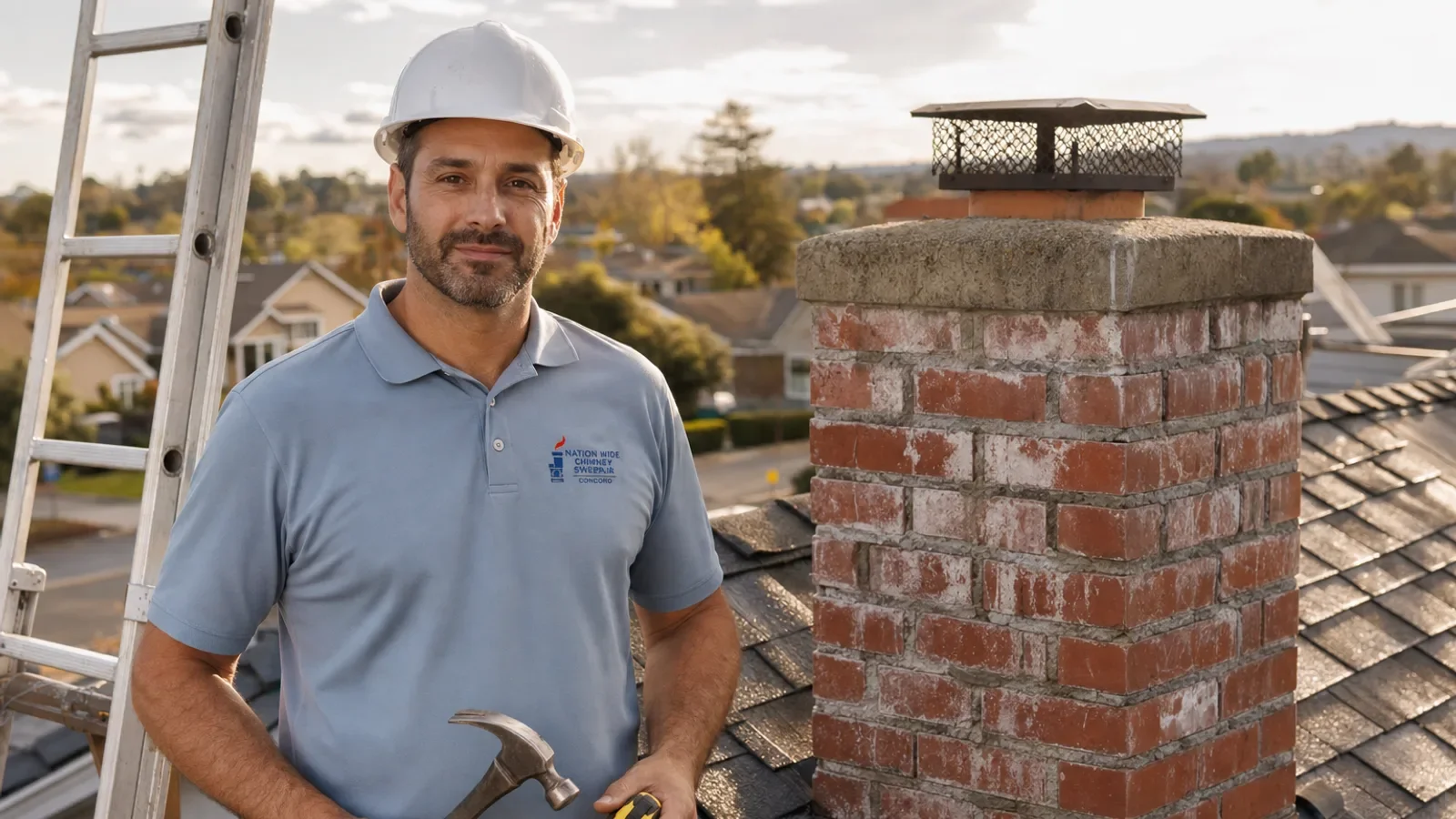
Walk around the exterior of your home after a wet spell and look up at the chimney stack. Mortar that has begun to crumble will have a sandy, granular texture and may show visible gaps between courses of brick. Spalling brick looks like the face of the brick has peeled or popped away, leaving a rough, pitted surface. Both conditions allow water to enter the chimney structure more aggressively with each subsequent rain. At a certain point, the structural integrity of the stack itself becomes a concern, particularly for chimneys taller than two or three feet above the roofline.
A Deteriorated or Missing Chimney Cap
The chimney cap is the first line of defense against rain entering the flue directly. Caps can crack, shift, or corrode over time, and the mesh spark arrestor surrounding many caps can clog with debris or rust through entirely. If the cap is missing or damaged, every rainstorm deposits water directly into the flue, accelerating liner deterioration and potentially soaking the smoke shelf and firebox floor. A quick visual from the ground, or a closer look during a rooftop inspection, will reveal cap condition. Nation Wide Chimney Sweep and Repair checks cap integrity as part of every inspection visit in Milpitas.
Chimney Cleaning Is Not Optional After a Wet Season
Moisture Changes Creosote Behavior
Creosote, the byproduct of incomplete wood combustion that deposits on flue liner walls, exists in three forms ranging from light, flaky deposits to a hard, tar-like glaze. Moisture exposure changes the chemistry of creosote deposits. Wet creosote can become heavier and denser, making it harder to remove with standard brushing. It also becomes more acidic when combined with the condensation that forms inside a cool flue, and that acidity attacks clay tile liners. A chimney cleaning performed after the rainy season removes these deposits before they have months to harden further or chemically damage the liner.
What a Structural Sweep Actually Involves
A standard chimney sweep removes combustible deposits from the flue. A structural sweep goes further. The technician inspects the liner for cracks or displaced tile sections, checks the smoke chamber and smoke shelf for debris accumulation, examines the damper for corrosion and proper seating, and assesses the firebox floor and rear wall for mortar deterioration. In Milpitas, where a wet season can accelerate all of these failure modes simultaneously, combining the cleaning with a thorough structural assessment gives homeowners a complete picture of what the chimney actually needs rather than just what is visible from the firebox opening.
When Cleaning Reveals a Repair Need
Chimney cleaning and chimney repair are closely connected. Technicians frequently discover cracked liner sections, failed crown coatings, or separated flashing during a cleaning visit that the homeowner had no reason to suspect. Catching these issues during a scheduled cleaning, before a fire season begins, is far preferable to discovering them after smoke fills a living room or water stains appear on a ceiling. Nation Wide Chimney Sweep and Repair documents findings with photos so Milpitas homeowners can see exactly what was found and make informed decisions about next steps.
A Closer Look at Common Chimney Repairs After Rain Damage
Tuckpointing: Restoring Mortar Joints
Tuckpointing is the process of removing deteriorated mortar from the joints between bricks and replacing it with fresh mortar. It is one of the most common masonry repairs following a wet season because mortar is softer than brick and degrades faster. Properly executed tuckpointing restores the waterproof barrier between brick courses and can significantly extend the service life of a chimney. The repair requires matching the mortar composition to the existing masonry, which matters more than it might seem: mortar that is too hard can actually cause bricks to crack rather than flex with minor structural movement.
Crown Repair and Waterproofing
The chimney crown is the concrete or mortar cap that covers the top of the chimney structure, surrounding the flue opening. A well-formed crown slopes away from the flue collar to direct water off the chimney and away from the brick below. Crowns crack over time due to thermal expansion, freeze-thaw stress, and settling. A cracked crown allows water to run directly into the masonry rather than shedding it. Crown repair can range from applying a flexible sealant to hairline cracks to full crown replacement for severely deteriorated structures. Waterproofing treatments applied after repair add a vapor-permeable barrier that repels liquid water while still allowing the masonry to breathe.
Flashing Repair and Resealing
Flashing failure is one of the more consequential post-rain discoveries because it means water is entering the home structure, not just the chimney. Flashing consists of two components: step flashing woven into the roof shingles along the chimney sides, and counter flashing embedded into the chimney mortar joints above. When mortar joints crack, counter flashing can pull away from the chimney, opening a gap. Resealing counter flashing with a flexible, high-temperature sealant is often sufficient for minor separations. More significant failures may require removing and resetting the flashing entirely. Requirements for roofing permits vary by municipality, so checking with a licensed professional about local Milpitas building requirements is always the right call.
Comparing Chimney Damage Levels: What Each Stage Requires
If you want it handled correctly the first time, consider professional chimney inspection and cleaning in sunnyvale california what to expect in Concord.
| Damage Level | Typical Signs | Likely Action Needed | Can You Use the Fireplace? |
|---|---|---|---|
| Minor | Efflorescence, light mortar erosion, surface-level creosote | Cleaning, minor tuckpointing, cap inspection | After cleaning and repair |
| Moderate | Cracked crown, rusted damper, visible mortar gaps | Crown repair, damper replacement, tuckpointing | Not until repairs are complete |
| Significant | Spalling brick, separated flashing, cracked liner tiles | Masonry repair, flashing reset, liner assessment | No, until full inspection clears it |
| Severe | Leaning stack, large liner sections displaced, interior water damage | Structural rebuild, possible full liner replacement | No, fireplace should be taken out of service |
The Inspection Process: What to Expect from a Professional Visit
Level I vs. Level II Inspections
The Chimney Safety Institute of America (CSIA) defines three inspection levels. A Level I inspection covers the readily accessible portions of the chimney interior and exterior and is appropriate for a chimney that has been used without changes and shows no obvious signs of distress. A Level II inspection includes video scanning of the flue interior and is recommended after any significant weather event, after buying a home, or when visible damage is present. Given what a Milpitas wet season can do to masonry, a Level II inspection every few years is a reasonable standard for most homeowners, even if the chimney looks fine from the outside.
What the Technician Documents
A thorough inspection produces a written report that identifies the condition of the crown, cap, exterior masonry, flashing, damper, smoke chamber, smoke shelf, firebox, and flue liner. Photographs accompany the report so homeowners can see conditions inside the flue that are otherwise invisible. This documentation also serves as a baseline for future inspections, making it easier to track whether a condition is stable or progressing. Nation Wide Chimney Sweep and Repair provides this documentation to Milpitas homeowners as a standard part of the inspection process.
Scheduling Around the Bay Area Calendar
The practical window for chimney inspection and repair in Milpitas falls into two natural periods: late summer through early fall, before fire season begins, and late spring, after the rainy season ends. Late summer scheduling allows any discovered repairs to be completed before the fireplace gets regular use. Spring scheduling catches moisture damage while it is fresh and before summer fog adds another layer of sustained exposure. Both windows work. The important thing is not to skip the inspection entirely because the fireplace seems to be working fine, since many of the most consequential damage conditions are invisible from the firebox opening.
Fireplace Maintenance Milpitas Homeowners Can Handle Between Professional Visits
Keeping the Area Around the Firebox Clear
Between professional visits, homeowners can take a few straightforward steps to reduce risk. Keep combustible materials, including rugs, furniture, and firewood storage, at least three feet from the fireplace opening. Use a fireplace screen or glass doors to contain sparks. Burn only seasoned hardwood, which produces less creosote than green or soft woods. These habits reduce the rate of creosote accumulation and lower the risk of a chimney fire between cleaning appointments.
Visual Checks You Can Do Yourself
After a heavy rainstorm, take a few minutes to look at the firebox interior with a flashlight. Water pooling on the firebox floor, rust streaks on the damper plate, or a musty smell when you open the damper are all indicators worth reporting to a professional. From outside, look at the chimney cap from the ground. If it appears shifted, missing, or visibly corroded, schedule a service visit before using the fireplace again. These are not repairs to attempt yourself, but spotting them early gives you options before a problem becomes urgent.
When to Call Immediately
Some conditions should prompt a call to a chimney professional without waiting for a scheduled appointment. If you see daylight through the firebox walls or back, notice cracks in the firebox floor, smell smoke in rooms other than the one with the fireplace, or observe any portion of the chimney stack leaning or separating from the house structure, stop using the fireplace and contact Nation Wide Chimney Sweep and Repair. These are not cosmetic issues. They affect the safe operation of the entire system and deserve prompt professional evaluation.
Frequently Asked Questions
How soon after the rainy season should I schedule a chimney inspection in Milpitas?
Ideally, schedule within a few weeks of the last significant rain, typically late April or May in the South Bay. This gives a technician a chance to assess moisture-related damage while it is fresh and gives you time to complete any needed repairs before the next fire season begins in fall.
Can I use my fireplace if I notice efflorescence on the outside of the chimney?
Efflorescence alone does not mean the chimney is unsafe to use, but it does confirm that moisture is moving through the masonry. A professional inspection is the right next step before continuing regular use, since efflorescence can accompany more serious conditions that are not visible from outside.
How often does a Milpitas chimney need professional cleaning?
The National Fire Protection Association standard NFPA 211 recommends inspecting chimneys at least once per year and cleaning them whenever significant deposits are present. For a fireplace used regularly through the winter, annual cleaning before the season begins is a reasonable baseline. A chimney used only occasionally may need cleaning less frequently, but the inspection should still happen annually.
What is the difference between a chimney cap and a chimney crown?
The cap is the metal cover that sits over the flue opening at the very top of the chimney, often with a mesh spark arrestor around it. The crown is the concrete or mortar structure that covers the top of the entire chimney, surrounding the flue collar. Both protect against water entry, and both should be checked after a wet season.
Does homeowner’s insurance cover chimney repair from rain damage?
Coverage varies significantly by policy. Sudden, accidental damage from a storm event is often covered, while gradual deterioration from deferred maintenance typically is not. Review your specific policy and consult your insurer. Having a professional inspection report documenting the cause and extent of damage is useful when filing any claim.
Is a chimney sweep the same as a chimney inspection?
Not exactly. A chimney sweep focuses on removing combustible deposits from the flue. An inspection evaluates the structural and safety condition of the entire chimney system. The two are often performed together, and combining them is efficient, but they address different things. A cleaning alone does not confirm the chimney is structurally sound.
Conclusion
Milpitas chimneys face a specific set of challenges that most national fireplace guides overlook: concentrated seasonal rain, persistent fog, expansive soils, and temperature swings that stress mortar and masonry in ways that accumulate quietly over years. The good news is that most moisture-related damage, when caught early, is repairable without a major rebuild. The key is not waiting until you have a fire burning and smoke filling the room. If your chimney has not been inspected since last season, now is the right time to act. Schedule your chimney inspection and repair with Nation Wide Chimney Sweep and Repair and get a clear picture of exactly what your Milpitas fireplace needs before the next fire season begins.