
How to Evaluate Chimney Repair and Flue Relining Needs in Milpitas
A chimney looks solid from the outside. That’s the problem. The components most likely to fail, the flue liner, mortar joints, and smoke chamber, are hidden from plain sight until something goes wrong. For Milpitas homeowners, where older tract homes sit alongside newer builds on expansive clay-rich soil, the structural stresses on a chimney system are real and worth understanding before a small issue becomes a costly one.
Why Milpitas Chimneys Face Unique Structural Pressures
Soil Movement and Foundation Shifts
Santa Clara County sits within an active seismic zone, and Milpitas in particular has significant coverage of expansive soils. These soils swell when wet and contract when dry, and a chimney’s masonry foundation responds to that movement whether you notice it or not. Over years of seasonal cycling, mortar joints crack, bricks separate, and the flue liner inside can shift out of alignment. None of this is visible from your living room.
Even minor seismic activity, the kind that barely rattles a picture frame, can widen existing hairline cracks in a flue liner. A crack that lets combustion gases escape into the wall cavity is not a cosmetic problem. Carbon monoxide has no color or smell, and a compromised liner is one of the more common pathways it uses to enter a home.
The Age Profile of Milpitas Housing Stock
A large share of Milpitas homes were built between the 1960s and 1990s. Chimneys from that era were typically lined with clay tile, which was the standard material at the time. Clay tile performs well when it’s intact, but it becomes brittle with age and thermal cycling. After decades of fires, the tiles develop hairline cracks, and the mortar holding individual tile sections together deteriorates. Many of these chimneys have never been relined.
Newer homes aren’t automatically exempt. Prefabricated factory-built fireplaces, common in construction from the 1980s onward, have metal components with finite service lives. The inner liner panels and the firebox refractory panels in these units can crack and fail, and when they do, they need replacement, not patching.
Thermal Shock from Infrequent Use
Here’s a counterintuitive reality: chimneys that get used only a few times a year often suffer more thermal stress than those used regularly. When a fireplace sits cold for months and then gets a roaring fire, the rapid temperature swing puts stress on clay tile and mortar that a more gradually warmed system handles better. For many Milpitas households where the fireplace is a seasonal novelty rather than a daily heat source, this pattern repeats every winter.
The Warning Signs That Deserve a Closer Look
Visible Spalling and Mortar Erosion
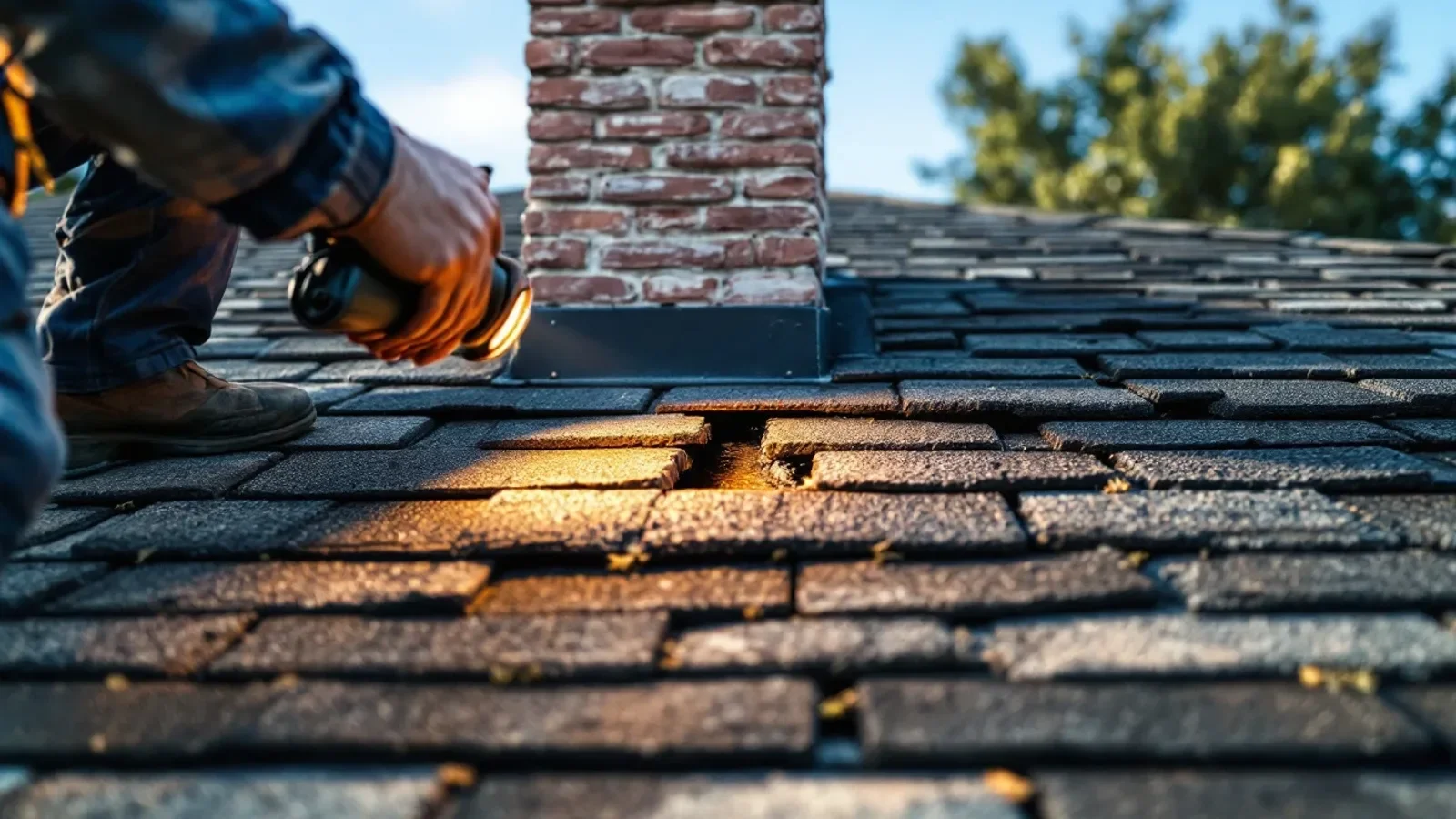
Stand back from your chimney and look at the exterior masonry. Spalling, where brick faces flake or pop off, indicates moisture has penetrated the masonry and freeze-thaw cycling (yes, it happens even in the Bay Area during cold snaps) is breaking the surface apart. Eroded mortar joints, where the mortar has recessed noticeably below the brick face, let water in even faster. Left alone, this progression accelerates.
Inside the firebox, look at the mortar between the firebrick. If you can scratch it out with a finger, it’s past due for repointing. Check the damper area above the firebox opening for rust staining or visible gaps in the smoke shelf. These are early indicators that the system needs attention from a qualified chimney sweep.
Draft Problems and Smoke Rollout
A properly functioning flue creates a draft that pulls combustion gases up and out. When you light a fire and smoke rolls back into the room instead of drawing upward, the cause might be as simple as a closed damper or a cold flue. But persistent draft problems, especially in a chimney that used to draw well, point to something structural: a cracked or obstructed liner, a collapsed tile section, or a flue that has been improperly modified at some point.
Smoke rollout isn’t just unpleasant. Creosote deposits from smoke that doesn’t fully exit the flue accumulate faster, and those deposits are the fuel source for a chimney fire.
White Staining (Efflorescence) on the Exterior
White chalky staining on brick is efflorescence, the mineral salts left behind when water moves through masonry and evaporates on the surface. It’s not structurally damaging on its own, but it’s a reliable indicator that water is moving through your chimney’s masonry. That water is also working on the mortar joints, the flue liner, and any metal components inside. Efflorescence is the chimney’s way of telling you moisture is getting in somewhere it shouldn’t.
Flue Relining: When Repair Isn’t Enough
What the Flue Liner Actually Does
The flue liner serves three functions simultaneously. It contains combustion byproducts and routes them safely out of the home. It protects the surrounding masonry from the intense heat of a fire. And it provides the smooth, correctly sized interior surface that supports proper draft. When any of those functions are compromised, you’re not just dealing with an inefficiency, you’re dealing with a safety issue.
NFPA 211, the national standard for chimneys and fireplaces, requires that flue liners be free of cracks, gaps, and deterioration. A chimney inspection that turns up significant liner damage isn’t delivering bad news arbitrarily; it’s identifying a condition that the standard specifically calls out as requiring correction.
Relining Options and How They Compare
When a clay tile liner is damaged beyond repair, relining is the solution. There are three main approaches used in the industry:
| Relining Method | Best Suited For | Key Characteristic |
|---|---|---|
| Stainless Steel Liner Insert | Most fuel types; straight or offset flues | Flexible or rigid; durable; widely applicable |
| Cast-in-Place Liner | Irregular or deteriorated flues | Creates a seamless, custom-fitted liner; reinforces the surrounding masonry |
| Aluminum Liner | Gas appliances only | Lower cost option; not suitable for wood or oil |
The right choice depends on the flue’s current condition, its geometry, and what appliance it serves. A stainless steel flexible liner is the most common solution for wood-burning fireplaces because it handles high temperatures, resists corrosion, and can navigate offsets that a rigid insert cannot. Cast-in-place is often the best answer when the existing masonry is structurally compromised and needs the liner to also act as reinforcement.
Sizing Matters More Than Most Homeowners Realize
Relining also offers a chance to correct a flue that was never properly sized to begin with. A flue that’s too large for the firebox opening produces sluggish draft; one that’s too small can’t handle the volume of combustion gases from a high-output fire. When Nation Wide Chimney Sweep & Repair evaluates a Milpitas home’s chimney, liner sizing is part of the conversation, not an afterthought.
The Inspection Process: What a Proper Evaluation Covers
Level I vs. Level II Inspections
Not all inspections are the same. The industry recognizes three levels:
- Level I covers the readily accessible portions of the chimney interior and exterior. It’s appropriate when the system hasn’t changed and has been in regular use without problems.
- Level II includes everything in a Level I plus video scanning of the flue interior. It’s recommended when buying or selling a home, after any seismic event, or when there’s any reason to suspect liner damage. For most Milpitas homes that haven’t had a recent inspection, a Level II is the right starting point.
- Level III involves removal of components to access concealed areas. It’s reserved for situations where serious hidden damage is suspected.
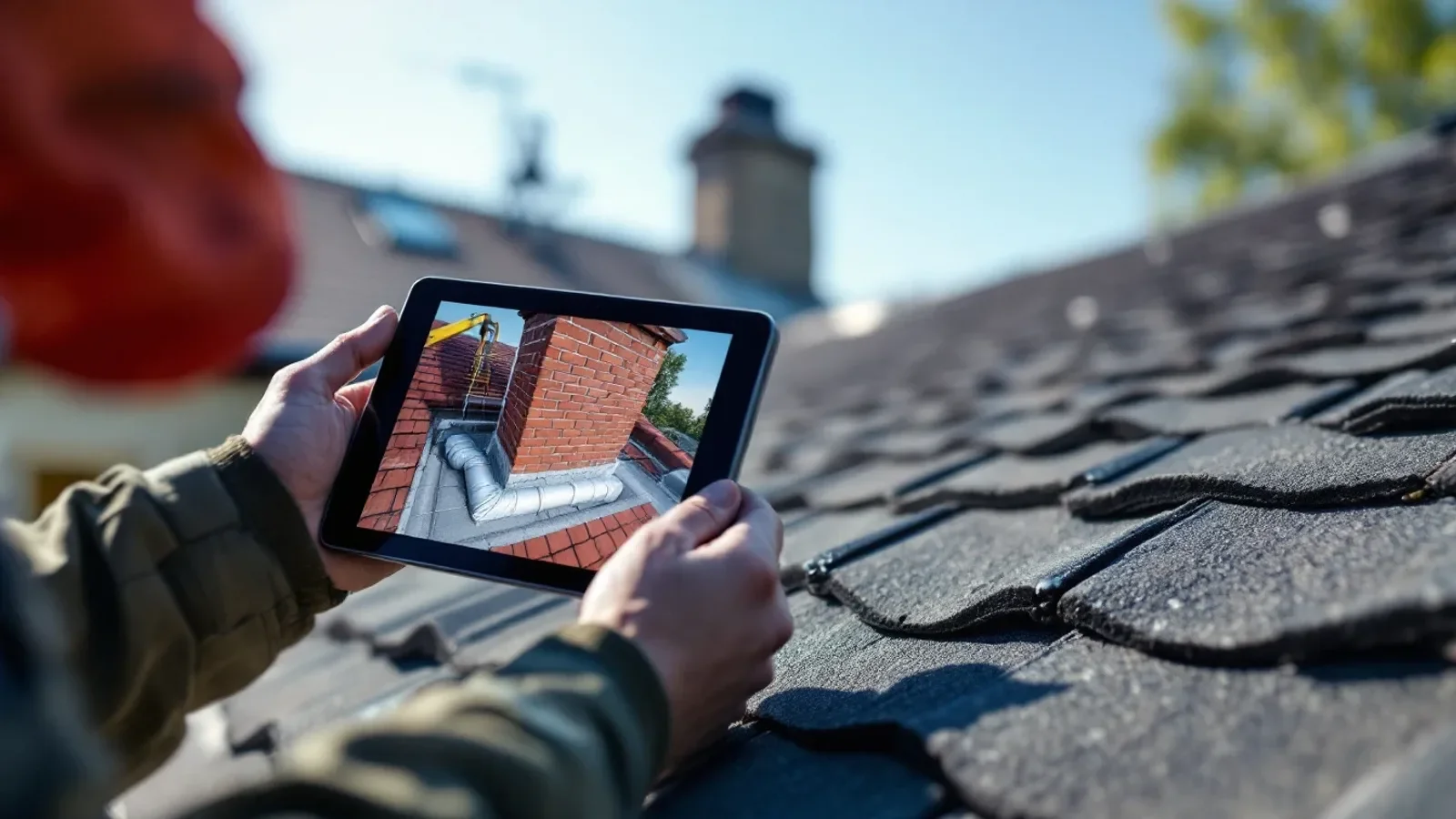
A camera scan of the flue interior is the only reliable way to see what’s actually happening inside. Hairline cracks in clay tile, collapsed tile sections, and gaps in the liner joints are invisible from the firebox opening. If a chimney sweep is offering an inspection without a camera scan, you’re getting an incomplete picture.
What Happens During a Chimney Cleaning
A thorough chimney cleaning removes creosote and soot deposits from the flue walls, smoke chamber, and firebox before they accumulate to a level that creates a fire risk. Creosote progresses through three stages: the light, flaky first-degree deposits that brush away easily; the tar-like second-degree deposits that require more aggressive removal; and the glazed, hardened third-degree deposits that are the most dangerous and the hardest to remove. Regular cleaning keeps the system in the first stage and makes the inspector’s job of spotting structural problems much easier, since heavy deposits can obscure liner damage.
For most Milpitas households using their fireplace seasonally, an annual chimney cleaning and inspection before the burning season is a reasonable maintenance rhythm. Households burning wood more frequently may need cleaning mid-season as well.
Smoke Chamber and Damper Condition
The smoke chamber, the area between the firebox and the flue, is frequently overlooked. It’s supposed to have smooth, parged walls that guide combustion gases efficiently into the flue. In older chimneys, this area often has rough, corbeled masonry that creates turbulence and collects creosote. Parging (applying a refractory mortar coating) the smoke chamber smooths the surface and improves draft performance noticeably.
The damper should seal completely when closed and open fully when in use. Throat dampers in older fireplaces rust and warp over time. Top-mounted dampers, which seal at the top of the flue and double as a rain cap, are a common upgrade that improves both energy efficiency and moisture protection.
Structural Repairs: What the Work Actually Involves
Tuckpointing and Crown Repair
Tuckpointing, the process of removing deteriorated mortar and replacing it with fresh mortar, is one of the most common chimney repairs. It’s also one of the most effective at extending the life of masonry. Done correctly, it restores the weather resistance of the chimney exterior and stops the moisture infiltration that drives further deterioration.
The chimney crown, the concrete or mortar cap that covers the top of the chimney structure around the flue opening, is a frequent point of failure. Crowns crack from thermal expansion and contraction, and once cracked, water enters freely. A cracked crown can often be repaired with a flexible elastomeric sealant; a severely deteriorated one needs full replacement. Nation Wide Chimney Sweep & Repair handles both scenarios for Milpitas homeowners.
Firebox Rebuilds and Refractory Panel Replacement
The firebox, the chamber where the fire actually burns, takes the most direct thermal abuse of any part of the system. In masonry fireplaces, the firebrick and refractory mortar eventually crack and need repointing or, in severe cases, full firebox rebuilding. In prefabricated fireplaces, the refractory panels that line the firebox are replaceable components, and replacement is far less disruptive than it sounds.
A firebox with visible cracks running through the refractory panels is a common finding in Milpitas homes with prefabricated units that are 20 or more years old. The panels are rated for a specific number of thermal cycles, and age takes its toll.
Waterproofing After Repairs
Once structural repairs are complete, applying a vapor-permeable waterproofing sealant to the exterior masonry is a sensible protective step. Unlike paint or general sealers, chimney-specific waterproofing products allow the masonry to breathe (releasing moisture vapor from inside) while blocking liquid water from outside. This distinction matters because trapping moisture inside masonry accelerates the very deterioration you’re trying to prevent.
When to Call a Professional vs. What You Can Check Yourself
Safe Homeowner Checks
There are a few things any homeowner can reasonably do. Look at the exterior masonry from the ground for obvious spalling, missing bricks, or white staining. Open the damper and look up into the firebox with a flashlight; you should see daylight at the top and no visible debris or obstruction. Check that the damper opens and closes smoothly and seals when shut. Replace the chimney cap if it’s missing or visibly damaged, since an open flue is an invitation to birds, squirrels, and rain.
These checks tell you whether obvious problems are present. They don’t tell you what’s happening inside the liner, which is where the more serious issues typically hide.
Work That Requires a Licensed Professional
Anything involving the flue liner, firebox masonry, gas connections to a gas fireplace, or work at roof height belongs in the hands of a qualified chimney professional. Gas line work specifically requires a licensed contractor; this isn’t an area where DIY is appropriate regardless of skill level. For structural chimney work, look for technicians with CSIA (Chimney Safety Institute of America) credentials, which indicate formal training in chimney systems and safety standards.
If you’re in Milpitas and haven’t had a professional chimney inspection in the past year, or if your fireplace is showing any of the warning signs described above, that’s the right starting point.
Frequently Asked Questions
How do I know if my flue liner needs to be replaced rather than repaired?
A video inspection is the definitive answer. Generally, isolated cracks in otherwise sound tile can sometimes be addressed with sealant, but multiple cracked tiles, collapsed sections, or significant gaps in the liner joints typically point to relining as the more reliable long-term solution.
Can I use my fireplace while waiting for chimney repairs to be scheduled?
If an inspection has identified a cracked liner, missing mortar, or firebox damage, the safest course is to avoid using the fireplace until repairs are complete. Using a compromised system risks carbon monoxide entry into the home and increases the chance of a chimney fire.
How often should a Milpitas homeowner schedule chimney cleaning?
The NFPA recommends annual inspection for all chimneys, with cleaning as needed based on use and deposit levels. For a fireplace used occasionally through the winter, annual cleaning before the burning season is a practical standard. Heavier use warrants more frequent cleaning.
Does a prefabricated fireplace need the same maintenance as a masonry chimney?
Yes, though the specific components differ. Prefabricated systems have refractory panels, metal firebox interiors, and manufacturer-specified liner systems that all have service lives. Annual inspection applies equally, and a chimney sweep familiar with both masonry and factory-built systems can evaluate the condition of each component type.
What’s the difference between a chimney cap and a chimney crown?
The crown is the concrete or mortar structure at the top of the chimney that covers the masonry around the flue opening. The cap is the metal cover that sits over the flue opening itself, keeping rain, animals, and debris out while allowing gases to exit. Both are important, and both are common points of deterioration.
Is flue relining a major renovation project?
For most homes, no. A stainless steel liner insert can typically be installed in a single day without major disruption to the home. Cast-in-place relining takes longer but is still far less invasive than a full chimney rebuild. The scope depends on the flue’s condition and geometry.
Conclusion
A chimney that looks fine from the street can have a cracked liner, deteriorated mortar joints, or a damaged firebox that poses a real risk to your household. For Milpitas homeowners, the combination of seismic activity, expansive soils, and aging housing stock makes periodic professional evaluation worth taking seriously. The good news is that most issues caught early are straightforward to address, and a properly maintained chimney serves a home reliably for decades. If your fireplace hasn’t been professionally evaluated recently, or if you’ve noticed any of the warning signs covered here, schedule your chimney inspection and repair consultation today with Nation Wide Chimney Sweep & Repair and get a clear picture of exactly what your system needs.