Why Milpitas Chimney Cleaning is Critical Before the Rainy Season
Milpitas homeowners know our weather. From the coastal fog rolling in to the inevitable winter rains, dampness is a constant companion. While it might seem harmless, this unique climate poses a specific challenge for your chimney and fireplace, especially when it comes to creosote buildup. Before you light that first cozy fire, understanding how moisture impacts your chimney’s health, safety, and even its smell is crucial. This guide explains why proactive chimney cleaning“>chimney cleaning is an essential pre-season task for every Milpitas home, ensuring your fireplace operates safely and efficiently all winter long.
Milpitas’s Unique Climate and Your Chimney’s Vulnerability
Life in Milpitas comes with its own microclimates. We experience everything from hot, dry summers to cool, damp winters, often punctuated by morning fog and coastal humidity. This fluctuating moisture, while beautiful for our landscapes, can significantly impact the structural integrity and operational safety of your chimney system. Chimneys are exposed structures, constantly interacting with the elements, and moisture is their persistent adversary.
How Milpitas’s Microclimates Affect Chimney Health
The interplay of warm and cool air, combined with varying humidity levels, can accelerate the deterioration of chimney components. During warmer months, condensation can form inside the flue, especially overnight when temperatures drop. This moisture then gets absorbed by porous materials like brick and mortar. As the seasons shift, the increased rainfall and lingering dampness in the air further saturate these materials. Over time, this constant wetting and drying, expansion and contraction, leads to cracks in mortar joints, spalling brick, and rust on metal components such as the damper or firebox. These small degradations compromise the chimney’s ability to safely vent smoke and fumes.
The Year-Round Impact of Moisture on Masonry and Metal
Beyond structural damage, continuous exposure to dampness creates an environment ripe for other issues. For instance, the clay liners within your flue can slowly degrade, becoming more brittle and less effective at containing heat and gases. Metal chimney caps, flashing, and even the firebox can begin to corrode. Rust is not just an aesthetic problem; a rusted damper might not seal properly, leading to drafts and heat loss, while rusted flashing can allow water to seep directly into your home. The damp conditions also foster the growth of mildew and moss on the exterior, further retaining moisture and exacerbating existing problems. Regular inspections and timely chimney services“>chimney services are vital to counter these environmental impacts.
Understanding Creosote: More Than Just Soot
When you burn wood in your fireplace, it’s not just producing cozy flames; it’s also generating smoke. This smoke contains unburned wood particles, gases, hydrocarbon compounds, and tar vapors. As this smoke rises through your cooler chimney flue, these elements condense onto the interior walls, forming a dark, crusty, and highly flammable residue known as creosote. Many homeowners mistakenly believe it’s just ‘soot,’ but creosote is far more complex and dangerous.
The Different Stages of Creosote Buildup
Creosote typically manifests in three stages, each progressively more dangerous and difficult to remove:
- First-Degree Creosote: This is a fine, powdery soot, easy to brush away. It usually indicates a hot-burning fire with good draft. While less dangerous, it still needs removal as part of regular chimney maintenance.
- Second-Degree Creosote: Harder, flaky deposits that look like shiny black potato chips. This type forms when fires burn at slightly cooler temperatures, often due to restricted airflow or burning unseasoned wood. It’s more difficult to remove and poses a greater fire risk.
- Third-Degree Creosote (Glazed Creosote): A tar-like, often drippy or hardened, glazed coating. This is the most dangerous and challenging to remove. It forms from very slow, cool-burning fires where smoke barely rises, allowing heavy condensation. Third-degree creosote is highly combustible and resistant to standard brushing, often requiring specialized tools or chemical treatments for safe removal.
Why Creosote Becomes a Problem, Especially When Damp
Creosote’s inherent flammability is its primary danger, but its interaction with moisture adds another layer of complexity, especially in a damp climate like Milpitas. When creosote absorbs moisture, it undergoes a chemical change. It becomes heavier, stickier, and often emits a pungent, tar-like odor. More importantly, damp creosote adheres even more tenaciously to the flue walls, making it significantly harder for a professional chimney sweep“>chimney sweep to remove. This hardened, damp creosote effectively creates an insulating layer, trapping more heat in the chimney walls and making future fires even hotter, thus increasing the risk of a chimney fire.
That Musty Odor? Your Chimney Might Be Telling You Something
Many Milpitas homeowners notice a distinct, unpleasant odor emanating from their fireplace, especially during humid weather or after a period of rain. This isn’t just a coincidence; it’s a direct consequence of dampness interacting with the creosote and other residues within your chimney. Your chimney, in essence, is acting as a giant exhaust fan for your home’s air, and if there’s an odor, it’s bringing it straight into your living space.
Why Your Fireplace Might Smell Musty or Like Tar
The primary culprit behind a smelly fireplace is almost always creosote. When this residue gets wet, either from rain, humidity, or condensation, it reactivates the compounds that give it its strong, tar-like smell. Think of it like a wet campfire that won’t stop smoking. This odor is particularly noticeable on damp, low-pressure days when the air inside your home pushes down into the chimney rather than letting the chimney draft upward. The smell can range from a smoky, campfire scent to a truly acrid, musty, or tar-like stench that permeates your entire home, sticking to fabrics and furniture.
The Role of Humidity in Amplifying Chimney Odors
Humidity plays a critical role in how pronounced these odors become. In Milpitas, we experience periods of high humidity, particularly during the rainy season or when coastal fog settles. High humidity means there’s more moisture in the air for the creosote to absorb. This not only makes the existing creosote smell stronger but can also encourage the growth of mold and mildew within the flue, adding another layer to the unpleasant aroma. Furthermore, the stack effect, where warmer indoor air rises and escapes through upper openings, drawing in cooler, odorous air from the chimney, is often more pronounced on humid days. A thorough professional chimney cleaning is the most effective way to eliminate the source of these persistent odors, ensuring your home smells fresh, not like an old fireplace.
Beyond Odor: The Dangers of Neglecting Chimney Cleaning
While a foul odor is certainly a nuisance, it’s merely a symptom of a much more serious underlying issue. Neglecting regular chimney cleaning, especially in a damp environment like Milpitas, can lead to significant hazards, ranging from property damage to life-threatening situations. The risks far outweigh the cost and effort of preventative maintenance.
Creosote: A Major Fire Hazard
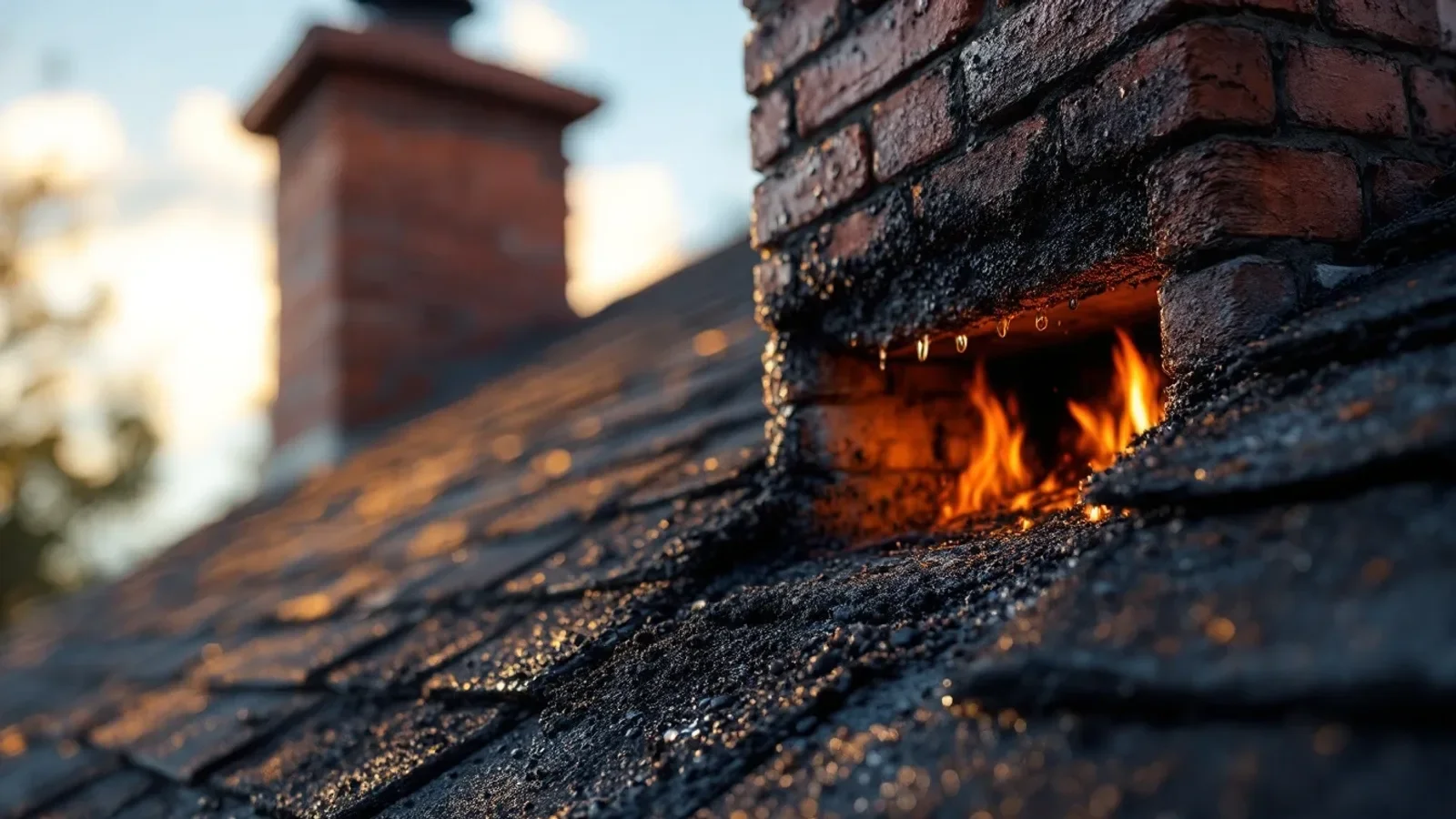
The most alarming danger associated with creosote buildup is a chimney fire. As mentioned, creosote is highly combustible. When a hot fire is burning in your fireplace, the intense heat can ignite the accumulated creosote on the flue walls. Chimney fires can be incredibly destructive, reaching temperatures well over 2,000 degrees Fahrenheit. These fires can cause loud rumbling noises, intense heat radiating from the chimney walls, and even flames or sparks shooting from the top of the chimney. Beyond the obvious risk to your home, a chimney fire can damage the chimney structure itself, cracking liners and compromising the integrity of the masonry, making it unsafe for future use even after the fire is extinguished. A routine milpitas chimney sweep“>Milpitas chimney sweep is your primary defense against this silent, yet devastating, threat.
The Risk of Blockages and Carbon Monoxide
Beyond creosote, chimneys can accumulate other debris, such as bird nests, leaves, twigs, and even animal carcasses. In Milpitas, birds, squirrels, and other small creatures often find the warm, sheltered environment of a chimney an ideal spot to build nests, especially during inactive seasons. When these blockages combine with creosote, they can severely restrict the flow of smoke and dangerous gases out of your home. This obstruction can lead to smoke backing up into your living space, bringing with it not only soot and allergens but also the invisible, odorless, and highly toxic gas: carbon monoxide. Carbon monoxide poisoning can be fatal, and a properly functioning chimney is crucial for venting it safely. Regular chimney cleaning ensures clear passageways and safe operation.
Structural Damage from Prolonged Moisture Exposure
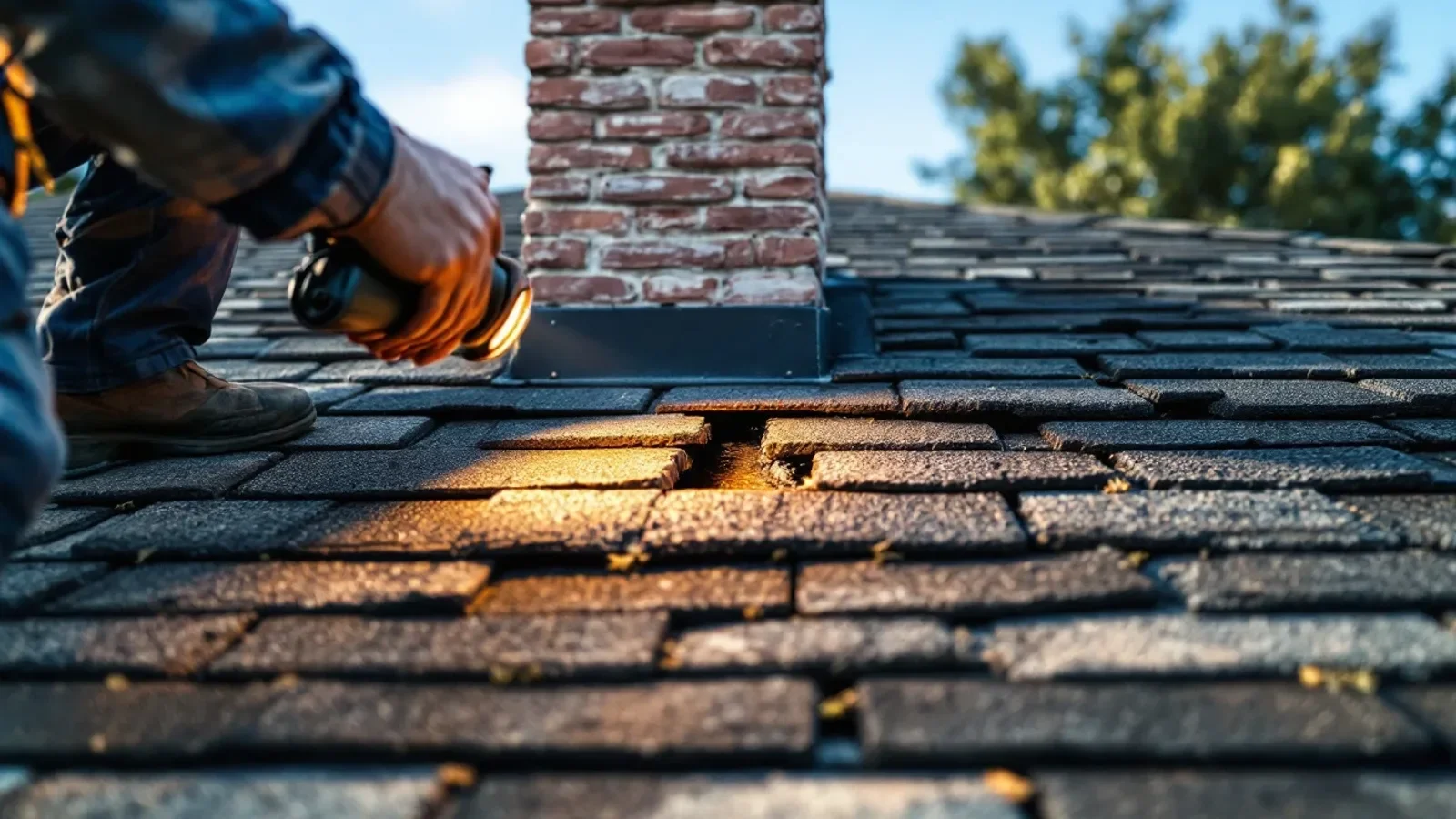
We’ve discussed how Milpitas’s damp climate affects your chimney’s structure. Over time, consistent moisture exposure, coupled with unaddressed creosote, can lead to significant structural problems. Water seeping into mortar joints can freeze and expand, causing cracks and eventually compromising the entire chimney’s stability. Flue liners can crack and disintegrate, losing their ability to protect the masonry from corrosive byproducts of combustion. Chimney crowns, which cap the top of the chimney, can crack, allowing even more water intrusion. These issues can be costly to repair and, if left unchecked, can render your chimney unusable or even dangerous. Proactive inspections and post-sweep fireplace care tips are key to preserving your chimney’s longevity.
The Essential Pre-Season Chimney Cleaning Checklist
Considering the unique challenges posed by Milpitas’s climate, a pre-season chimney cleaning isn’t just a good idea; it’s a vital part of home safety and maintenance. Preparing your chimney before the colder, damp months arrive can save you from potential hazards and costly repairs down the line.
What a Professional Chimney Sweep Entails
A professional chimney cleaning, performed by experienced technicians like those at Nation Wide Chimney, involves much more than simply brushing away visible soot. Our process typically includes:
- Thorough Inspection: Before any cleaning begins, we perform a comprehensive visual inspection (Level 1 or Level 2 if indicated) of the chimney’s interior and exterior, looking for any signs of damage, blockages, or creosote buildup.
- Protective Measures: We carefully lay down drop cloths and use high-powered vacuums to protect your home from dust and debris during the cleaning process.
- Creosote and Debris Removal: Using specialized brushes, rods, and power sweeping equipment, we meticulously scrape and brush away all types of creosote, soot, and any other blockages from the flue liner, smoke chamber, and damper.
- Firebox Cleaning: The firebox and hearth area are also thoroughly cleaned of ash and debris.
- Damper and Crown Check: We ensure your damper operates correctly and inspect the chimney crown for cracks or damage that could allow water intrusion.
- Post-Service Report: After the cleaning, you’ll receive a detailed report on the condition of your chimney, including any recommendations for repairs or further maintenance.
Why Summer or Early Fall is the Ideal Time for Service
Scheduling your chimney cleaning during the warmer, drier months of summer or early fall offers several advantages for Milpitas homeowners. First, it ensures that your chimney is completely ready before the damp and cold fireplace season truly sets in. This proactive approach prevents the accumulation of new creosote from mixing with any residual dampness, which, as we’ve discussed, can create stubborn odors and increase fire risks. Secondly, scheduling in the off-season typically means more flexibility in appointment times, allowing you to choose a time that best fits your schedule without the rush of peak season. Finally, addressing any necessary repairs during this period gives ample time for mortar or other materials to cure properly before being subjected to cold temperatures and heavy use.
What Happens During a Professional Milpitas Chimney Sweep
Choosing a professional for your chimney cleaning“>chimney cleaning ensures a thorough, safe, and effective service that goes beyond what a homeowner can achieve. At Nation Wide Chimney, our process is designed to address the specific needs of Milpitas homes, taking into account the local climate and common issues.
Comprehensive Inspection: Beyond the Visible
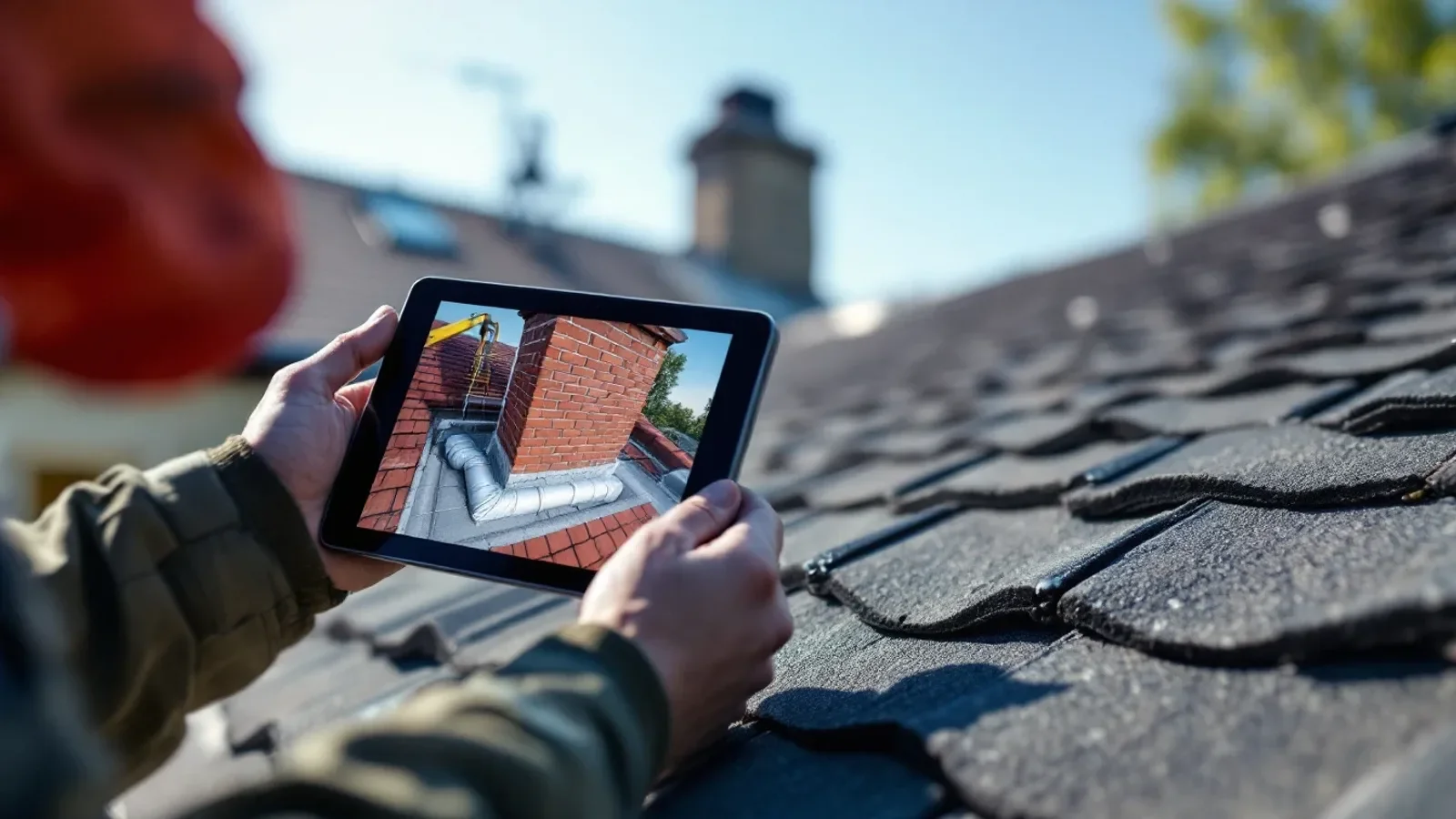
Every professional chimney cleaning begins with a detailed inspection. Our certified technicians will examine not just the readily visible parts of your chimney but also use specialized cameras to inspect the flue liner from top to bottom. This allows us to identify hidden cracks, spalling, blockages, or areas of heavy creosote buildup that might be missed during a casual glance. We look for signs of water intrusion, such as rust or efflorescence (white mineral deposits), and assess the integrity of the chimney crown, cap, and flashing. This comprehensive approach ensures that we understand the full condition of your chimney before any cleaning or repair work begins, providing peace of mind that nothing is overlooked.
Thorough Removal of Creosote and Debris
Once the inspection is complete, our team proceeds with the meticulous removal of creosote and any other obstructions. We use a variety of tools, from wire brushes and specialized rods that extend through the flue to powerful vacuum systems equipped with HEPA filters to contain dust and debris. For tougher, glazed creosote, we may employ specific rotary cleaning tools or chemical treatments designed to break down the sticky residue. This thorough approach ensures that your flue is cleared of flammable materials and blockages, restoring proper draft and significantly reducing the risk of chimney fires and carbon monoxide issues. Our commitment is to leave your chimney flue as clean and safe as possible.
Post-Service Insights and Recommendations
After the physical cleaning is complete, our technicians don’t just pack up and leave. We provide you with a clear, concise report detailing the work performed, the condition of your chimney, and any recommended maintenance or repairs. This might include suggestions for addressing minor cracks in the crown, replacing a worn chimney cap, or advising on methods to improve your fireplace’s burning efficiency. We’re here to answer any questions you may have about your chimney’s performance or to explain how proper burning techniques can minimize creosote buildup in the future. Our goal is to empower Milpitas homeowners with the knowledge to maintain a safer and more efficient fireplace system.
Choosing the Right Milpitas Chimney Sweep
When it comes to something as crucial as your home’s safety and the proper functioning of your fireplace, selecting the right chimney professional is paramount. In Milpitas, you need a service provider who not only understands the mechanics of a chimney but also the specific environmental factors unique to our area.
Qualities of a Reputable Chimney Service
A reputable chimney service should possess several key attributes. First and foremost, they should be certified, ideally by recognized industry organizations. Certification demonstrates a commitment to ongoing education and adherence to best practices. Secondly, experience matters. Look for a company with a proven track record and positive reviews from local customers. Transparent communication, clear explanations of services, and detailed reports are also hallmarks of a trustworthy provider. Finally, a commitment to safety, using the right tools and techniques, and carrying proper insurance are non-negotiable aspects of a professional chimney sweep.
The Value of Local Expertise in Milpitas
Working with a local company like Nation Wide Chimney Sweep & Repair Concord offers distinct advantages. We are familiar with the architectural styles common in Milpitas, the types of fireplaces installed, and critically, the specific challenges posed by our local climate. This local knowledge means we can anticipate common issues like moisture intrusion exacerbated by coastal air or specific debris from local vegetation. Our team understands the nuances of Milpitas’s weather patterns and can provide tailored advice on maintaining your chimney for optimal performance and safety throughout the year. Choosing local means choosing a partner who genuinely understands your home’s environment.
Key Benefits of Professional Chimney Cleaning
- Prevents Chimney Fires: Removes highly flammable creosote buildup, drastically reducing the risk of a devastating chimney fire.
- Ensures Safe Operation: Clears blockages and allows for proper ventilation of smoke and dangerous carbon monoxide.
- Eliminates Odors: Gets rid of the source of musty, smoky, or tar-like smells, especially noticeable in damp Milpitas weather.
- Extends Chimney Lifespan: Regular maintenance helps identify and address minor issues before they become costly repairs.
- Improves Efficiency: A clean flue improves draft, allowing your fireplace to burn more efficiently and produce more heat.
- Reduces Indoor Air Pollution: Minimizes smoke back-up and the release of soot and particles into your home’s air.
Frequently Asked Questions About Milpitas Chimney Cleaning
How often should a chimney in Milpitas be cleaned?
The National Fire Protection Association (NFPA) recommends annual inspections and cleaning as needed. For Milpitas homes, given the damp climate and potential for heavier creosote buildup, annual cleaning is often advisable, especially if you use your fireplace regularly.
Can I clean my chimney myself?
While some minor soot removal might be possible, professional chimney cleaning requires specialized tools and expertise to safely and effectively remove all types of creosote and debris. DIY attempts often leave dangerous residues and can miss critical structural issues.
What are the signs I need a chimney cleaning?
Common signs include a distinct smoky or tar-like odor coming from your fireplace (especially in damp weather), smoke backing up into your home, visible creosote buildup on the flue or damper, or poor draft when lighting a fire.
How long does a professional chimney cleaning take?
Typically, a standard chimney cleaning and inspection takes between one to two hours, depending on the chimney’s condition, the type of creosote, and the presence of any blockages.
Does Milpitas’s humidity really make a difference for my chimney?
Yes, absolutely. The higher humidity levels in Milpitas contribute to creosote becoming stickier and more pungent, making it harder to remove and amplifying unpleasant odors. It also accelerates moisture-related damage to masonry and metal components.
Is a chimney cleaning messy?
Professional chimney sweeps take extensive precautions to keep your home clean. We use drop cloths, tarps, and powerful, filtered vacuums to contain all soot and debris, ensuring a clean work area and a spotless home after service.
Protecting your Milpitas home and ensuring the safety of your family means paying attention to every detail, especially something as critical as your chimney. Don’t let Milpitas’s damp weather turn your cozy fireplace into a hidden hazard. schedule your chimney cleaning today“>Schedule your professional chimney cleaning today to enjoy a safe, odor-free, and efficient fireplace all season long.