Why Milpitas Buyers Need a Level 2 Chimney Inspection Before Closing
According to real estate transaction data, over eighty percent of standard pre-sale home inspections do not cover the internal flue of a fireplace, leaving buyers vulnerable to hidden structural issues. In the Milpitas real estate market, where homes often trade hands quickly and at premium values, relying solely on a general home inspector to evaluate a fireplace is a significant financial risk. A general inspector will look at the hearth and shine a flashlight up the throat, but they cannot assess what is happening behind the walls. For buyers seeking to protect their investment, understanding the technical evaluation process and the level 2 chimney inspection cost drivers is the key to avoiding unexpected post-sale masonry expenses.
What is a Level 2 chimney inspection and how does it differ from a standard home inspection?
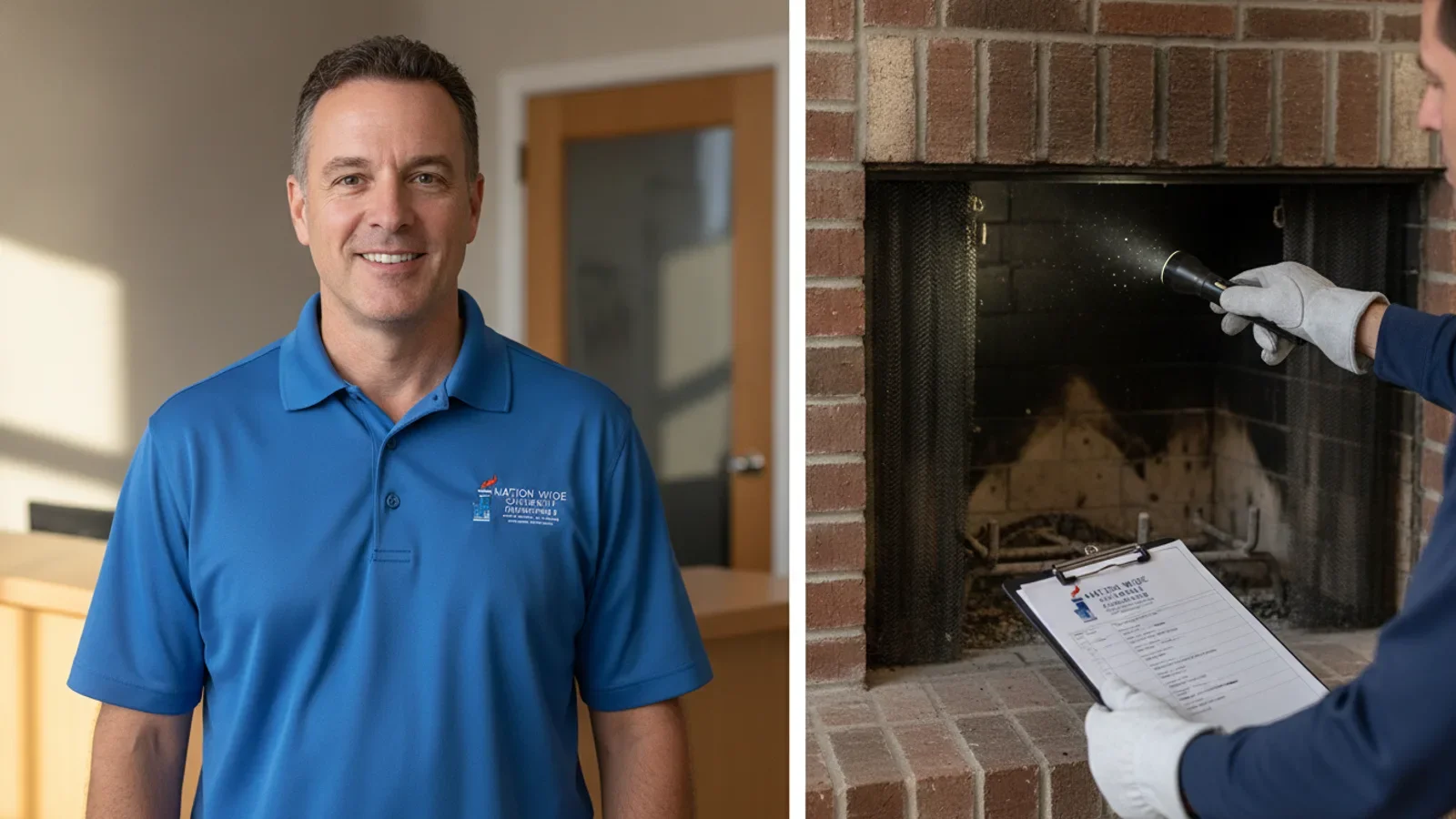
A standard home inspection provides a broad, non-invasive overview of a property, but the inspector is not specialized in venting systems. A Level 2 chimney inspection is a highly detailed, specialized evaluation defined by the National Fire Protection Association (NFPA 211) standard. Unlike a basic visual check, a Level 2 assessment requires a certified technician to inspect all accessible portions of the chimney interior and exterior, including attics, crawl spaces, and basements.
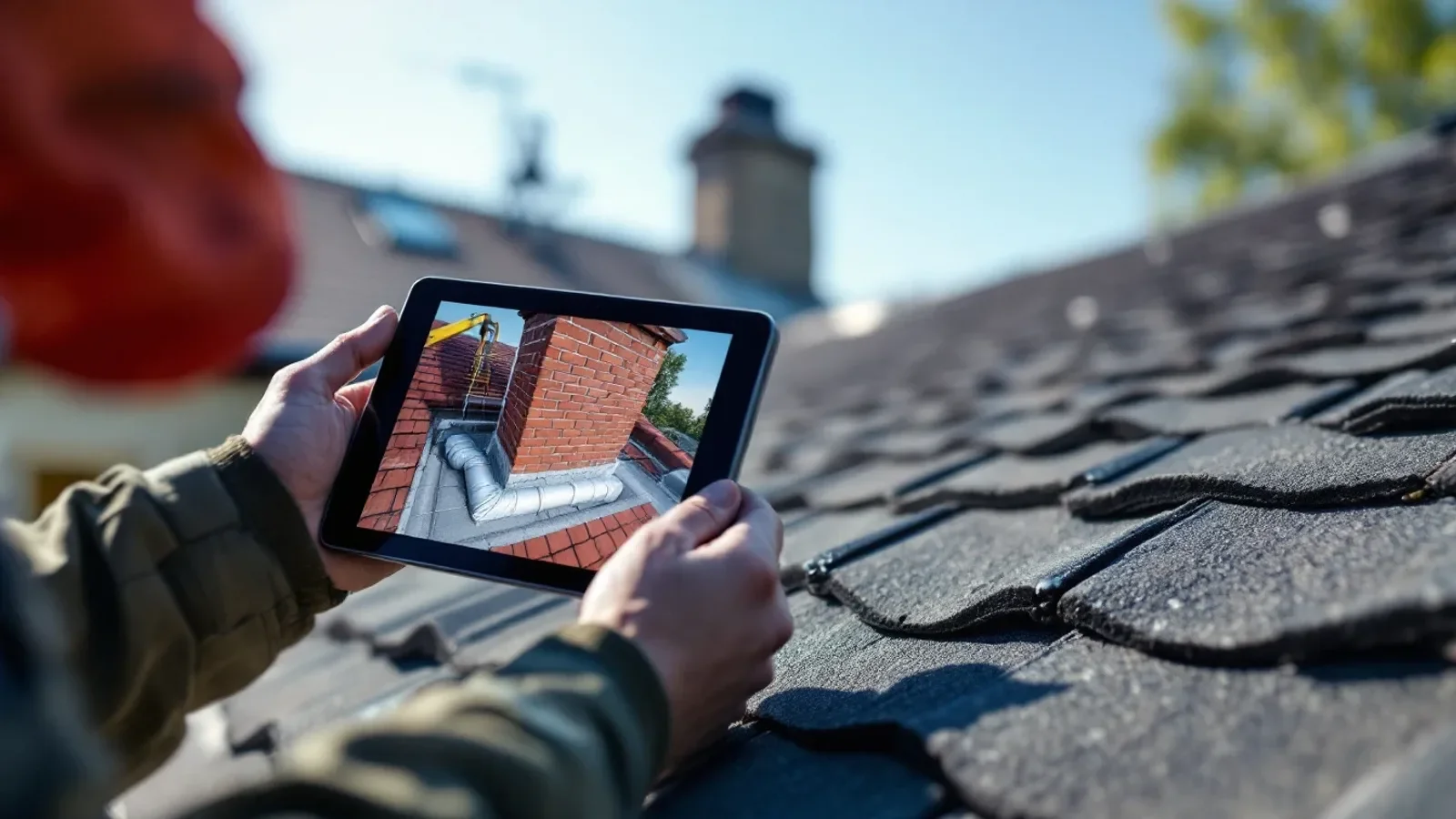
The defining feature of this service is the use of a specialized, closed-circuit chimney camera that is lowered or raised through the entire length of the flue. This allows the technician to view the flue lining up close, revealing hidden cracks, gaps, missing mortar joints, and sudden structural shifts that are completely invisible from the hearth or the roofline. In contrast, a general inspector will check off basic aesthetic items using a standard home inspection fireplace checklist, but they lack the camera equipment and specialized training to diagnose internal flue integrity.
Why is a Level 2 evaluation mandatory during a Milpitas real estate transfer?
Under the NFPA 211 guidelines, a Level 2 inspection is explicitly required upon the transfer or sale of a residential property. This is because a real estate transaction represents a critical point of liability shift. When you purchase a property, you inherit any pre-existing chimney hazards, structural deterioration, or code violations that the previous owner may not have been aware of.
Because chimneys are hidden systems built inside walls, severe deterioration can occur without any visible external warning signs. Conducting this evaluation before the close of escrow ensures that both the buyer and seller have a transparent, certified assessment of the venting system. It establishes whether the fireplace is safe to operate and provides a clear document that can be used during negotiation if repairs are needed. To ensure these evaluations are conducted by qualified professionals, buyers should focus on hiring a certified Milpitas chimney professional who understands local building codes and escrow timelines.
What are the primary level 2 chimney inspection cost drivers for local properties?
When planning for this escrow service, several qualitative variables dictate the overall pricing of the evaluation. The primary level 2 chimney inspection cost drivers include the accessibility of the chimney structure, the complexity of the flue system, and the physical configuration of the home.
If you want it handled correctly the first time, consider professional milpitas earthquake chimney safety checklist in Concord.
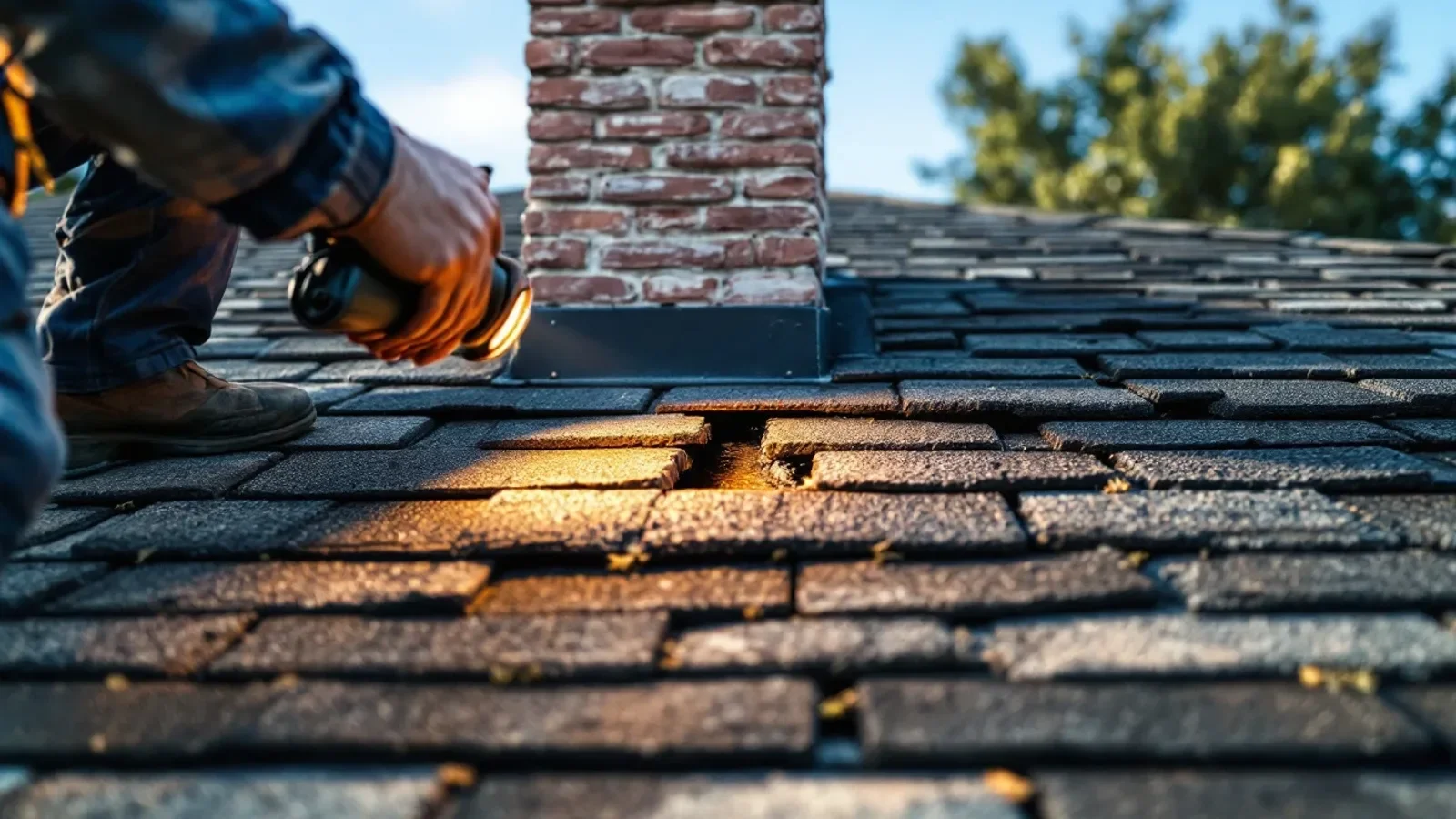
For example, a multi-story home with a steep, high-pitched roof requires specialized safety rigging, ladders, and additional time to inspect the exterior masonry and crown safely, which increases the labor involved. Similarly, homes with multiple fireplaces or multi-flue chimneys (such as a shared chimney stack venting both a downstairs fireplace and an upstairs unit) require separate camera runs for each individual flue liner. If a chimney has a heavy accumulation of creosote or soot, the technician must perform a professional sweep before the camera can clearly capture the condition of the flue walls. This necessary preparatory cleaning will also impact the total evaluation cost.
How does the Milpitas climate and seismic history affect chimney structures?
The unique geographic and environmental conditions of Milpitas play a direct role in how masonry and fireplace systems degrade over time. Situated in close proximity to major fault zones, including the Hayward and Calaveras faults, Milpitas homes are subject to frequent minor seismic activity and historic tremors. Over decades, even minor ground shifts can cause micro-fractures in clay flue tiles, separate mortar joints inside the chimney breast, and detach the chimney structure from the main frame of the house.
Additionally, while Milpitas enjoys a Mediterranean climate, the rainy winter months bring cool dampness that can seep into untreated masonry. When rainwater penetrates small cracks in the brickwork or the concrete chimney crown, it undergoes thermal expansion and contraction during temperature swings. This cycle accelerates spalling, where the brick faces crumble, and degrades the structural mortar. A professional chimney sweep Milpitas evaluation is designed to identify these regional wear patterns, particularly in the older, established neighborhoods of the city where masonry chimneys have weathered decades of seismic settling.
What specific defects can a chimney camera find that a visual check misses?
A basic visual check from the hearth can only see about two feet up the throat of the chimney, past the damper. It cannot see the transition areas where the flue tilts or where individual clay tiles meet. A high-resolution chimney camera can identify precise, hidden points of failure that pose severe safety risks.
First, it detects cracked, shattered, or missing clay flue tiles. When these tiles crack, heat and toxic gases can escape the flue and heat up surrounding wooden framing members, leading to structure fires. Second, the camera reveals eroded or completely missing mortar joints between the flue liners, which allows carbon monoxide to seep into the living spaces of the home. Finally, it identifies hidden flue obstructions, localized creosote buildup in hard-to-reach elbows, and internal structural collapses that would escape even the most experienced visual inspector. Finding these issues early allows buyers to use a chimney negotiation guide to request repairs or seller credits before finalizing the purchase.
Many Concord homeowners rely on expert milpitas earthquake chimney safety checklist in Concord for exactly this.
Can a damaged chimney flue lead to carbon monoxide risks or fire hazards?
Yes, a damaged chimney flue is one of the most common pathways for dangerous gases and heat to enter a home. The primary purpose of a chimney flue liner is to safely contain all the byproducts of combustion, including soot, creosote, heat, and carbon monoxide, and exhaust them safely outside the home.
If the liner has even a minor hairline fracture, or if the mortar joints between flue tiles have dissolved, the structural barrier is compromised. Under draft pressure, highly toxic carbon monoxide gas can migrate through these gaps and infiltrate the walls, attic spaces, and eventually the bedrooms of the home. Furthermore, intense heat escaping through these cracks can dry out and eventually ignite adjacent building materials through pyrolysis, a process where wood becomes highly flammable over time due to repeated heat exposure. A professional chimney cleaning and inspection provides the diagnostic proof needed to verify that the venting system is completely sealed and safe for daily use.
How should buyers use the inspection report during escrow negotiations?
The detailed digital report and video footage provided by a Level 2 evaluation serve as an objective, official record of the chimney’s physical state. If the report identifies structural defects, code violations, or safety hazards, the buyer can use this documentation as leverage during the escrow negotiation process.
Rather than making generic requests for price reductions, the buyer can present the seller with a precise, line-itemed diagnostic report detailing the exact repairs required to make the fireplace safe. This allows the buyer to request that the seller either perform the necessary masonry repairs before closing or credit the estimated repair costs back to the buyer at close of escrow. Because chimney repairs can be complex, having a certified professional’s report prevents disputes and ensures that negotiations are based on actual code requirements and structural realities rather than guesswork. Once the transaction is complete, the new owner can follow a structured plan for post-sale chimney care to keep the system in peak condition for years to come.
Ensure Your Peace of Mind Before You Close
Investing in a comprehensive Level 2 chimney evaluation is the most effective way for Milpitas homebuyers to protect their families from hidden fire hazards and safeguard their finances from costly post-sale structural repairs. A general home inspection simply cannot replace the diagnostic power of a specialized chimney camera system. By understanding the primary level 2 chimney inspection cost drivers and partnering with an experienced local specialist, you can enter negotiations with confidence and enjoy your new fireplace with complete peace of mind. Reach out to a certified technician today to schedule your real estate chimney evaluation before your escrow window closes.