Home Inspection Fireplace Checklist for Milpitas Buyers
Are you wondering what to look for when evaluating a fireplace during a home purchase? Buying a home is one of the largest investments you will ever make, and a damaged or neglected venting system can quickly turn a cozy feature into a major liability. While a general home inspector checks the overall structure of a house, they rarely have the specialized equipment or training to look deep inside a flue. That is why smart buyers in the Santa Clara Valley use a targeted home inspection fireplace checklist to spot red flags early in the transaction process.
Before you sign the final paperwork, you need to understand the condition of the hearth. If a general inspector notes any issues, or if the home is older, scheduling a professional chimney sweep Milpitas inspection is the most reliable way to protect your investment and ensure your family’s peace of mind.
1. Visible Masonry Cracks and Spalling
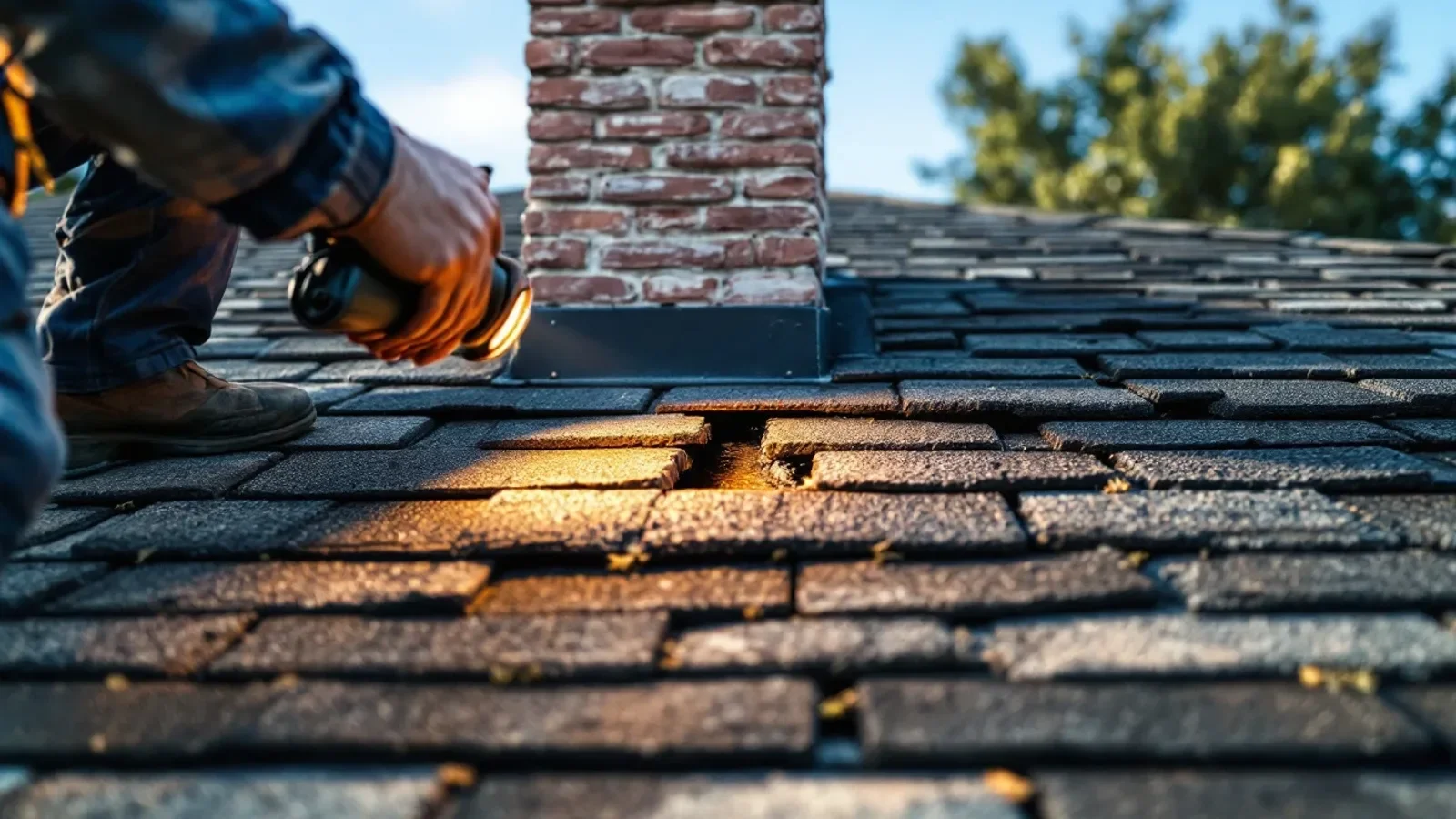
The exterior and interior masonry of a fireplace should be solid, clean, and structurally sound. When walking around the property, pay close attention to the mortar joints on the exterior chimney stack. Look for crumbling mortar, missing bricks, or a white, powdery substance known as efflorescence, which indicates chronic water intrusion. Inside the home, inspect the firebox, the area where wood actually burns, for cracked firebricks or gaps in the mortar. In Milpitas, seismic activity and natural settling can cause minor shifts that open up dangerous pathways for heat and toxic gases to reach the combustible framing of your home. If you notice structural issues, it is wise to consult a specialist for negotiating chimney repairs with the seller before closing.
2. Heavy Creosote and Soot Accumulation
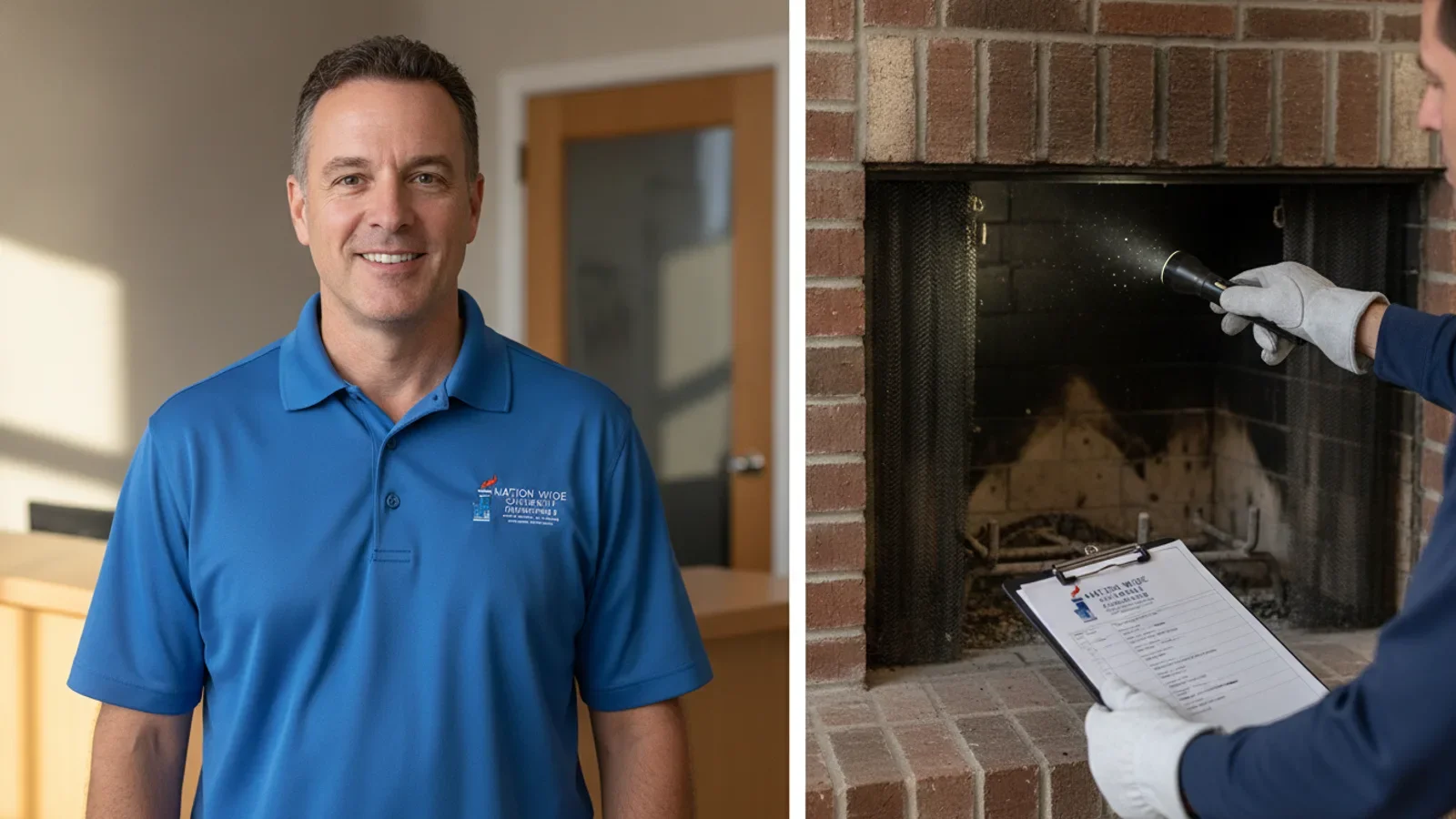
Open the damper and shine a bright flashlight up into the throat of the fireplace. Do you see a thick, dark, or flaky black buildup? This material is creosote, a highly flammable byproduct of wood combustion. There are three stages of creosote, ranging from dusty soot to a hard, glassy glaze that clings to the flue tile. Glazed creosote is incredibly difficult to remove and represents a severe chimney fire hazard. If the flue is coated in dark residue, the system requires a thorough cleaning. A professional Milpitas chimney cleaning technician can safely sweep away these deposits, revealing the true condition of the underlying flue liner which might otherwise be hidden beneath layers of soot.
If you want it handled correctly the first time, consider professional milpitas earthquake chimney safety checklist in Concord.
3. Damaged or Non-Functioning Dampers
The damper is the metal valve or plate located just above the firebox that controls the draft and prevents conditioned indoor air from escaping when the fireplace is not in use. Test the damper handle or pull chain to ensure it operates smoothly. It should open completely to allow smoke to escape and close tightly to seal out cold drafts. If the damper is rusted shut, warped from extreme heat, or completely missing, the fireplace is unsafe to use. A broken damper can lead to smoke backups inside the living room or allow pests and debris to enter the home freely, making this a critical item on your inspection checklist.
4. Missing or Damaged Chimney Caps
Step outside and look up at the top of the chimney stack. A proper chimney system must have a sturdy, stainless steel or copper chimney cap equipped with a spark arrestor mesh screen. This cap serves multiple purposes: it prevents rainwater from pouring directly down the flue, keeps nesting birds and rodents out, and stops hot embers from floating onto your roof or nearby dry foliage. Without a cap, water can quickly deteriorate the interior clay flue liners or rust out a metal factory-built fireplace. If you spot a chimney without a cap, it is highly likely that moisture has already begun to weaken the internal structure.
5. Flue Liner Cracks and Deterioration
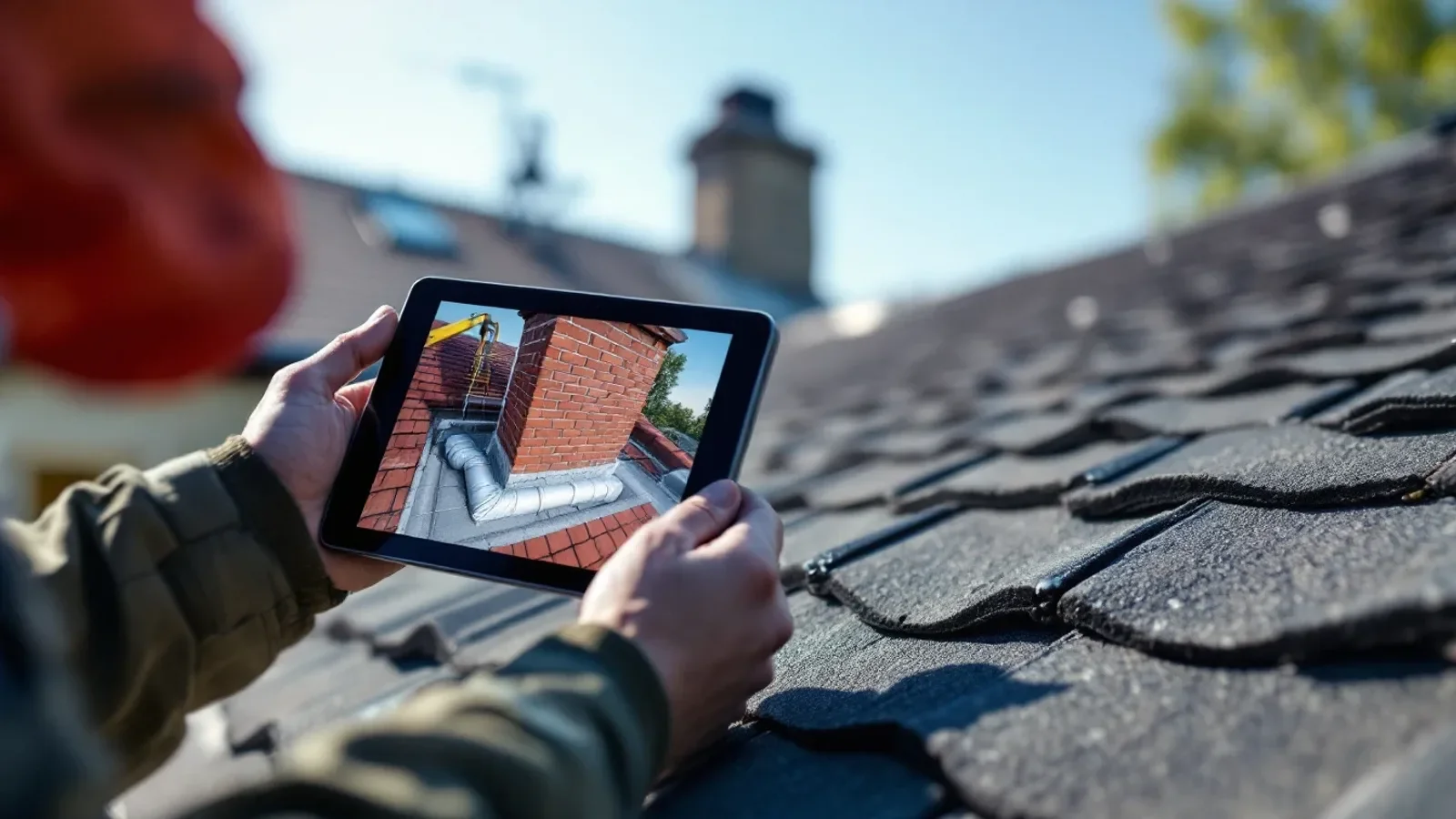
The flue liner is the most critical safety barrier inside your chimney, directing intense heat, carbon monoxide, and corrosive combustion byproducts safely out of the home. In many older properties, clay tile liners can crack, split, or flake due to thermal shock, moisture, or simple aging. Unfortunately, a general home inspector cannot see more than a few inches past the throat. To truly evaluate the liner, a chimney professional must run a specialized video camera through the entire length of the flue. A cracked liner is an immediate safety hazard that requires professional restoration before the fireplace can be used. For a deeper look at why this step is so vital, read about why Milpitas buyers need a Level 2 chimney inspection.
Many Concord homeowners rely on expert milpitas earthquake chimney safety checklist in Concord for exactly this.
6. Milpitas Climate and Housing Stock Challenges
Milpitas features a unique mix of mid-century ranch homes, older suburban neighborhoods, and modern multi-story developments. Many homes built between the 1960s and 1980s feature traditional unlined or clay-lined masonry chimneys that have experienced decades of thermal stress and minor ground shifts common to the Bay Area. Additionally, the local climate brings damp, foggy winter mornings followed by dry, warm summers. This moisture-and-drying cycle can accelerate the spalling of brickwork and cause moisture to collect inside unused chimneys, leading to rusted dampers and deteriorated mortar joints. Understanding these local structural tendencies is essential for any buyer looking to avoid unexpected, expensive chimney restorations shortly after moving into their new home.
7. Improper Clearances to Combustibles
Fireplaces and chimneys generate extreme heat that must be kept far away from wooden framing, drywall, mantle shelves, and ceiling joists. For masonry fireplaces, there must be specific clearances, often two inches of air space, between the outer brick walls and any combustible framing. For manufactured metal fireplaces, the manufacturer specifications dictate exact clearance requirements. A common issue found during home sales is a wooden mantelpiece or wood paneling installed too close to the firebox opening. An experienced professional can verify that the hearth extensions and surrounding walls comply with local safety standards to eliminate fire hazards.
Frequently Asked Questions
Ready for the next step? Learn how milpitas earthquake chimney safety checklist services in Concord can help and reach out to the team.
Can a general home inspector certify a fireplace as safe?
No, a general home inspector typically performs only a non-invasive, visual check of the exterior chimney and the firebox. They do not have the specialized video equipment required to examine the internal flue liner or the technical training to certify a fireplace as safe for use.
What happens if a chimney flue liner is cracked?
A cracked flue liner allows heat, sparks, and dangerous carbon monoxide gases to escape into the walls of the home, which can cause a structural fire or lead to carbon monoxide poisoning. If a liner is cracked, the fireplace must not be used until the liner is repaired or replaced.
Should the buyer or the seller pay for a specialized chimney inspection?
Typically, the buyer pays for specialized inspections as part of their due diligence during the contingency period. However, the resulting inspection report can be used to negotiate repairs or price reductions if significant hazards or defects are discovered.
Protect Your Investment Today
Purchasing a home with an undetected chimney defect can lead to unexpected expenses and safety hazards right after you move in. Do not leave your fireplace safety to chance. Contact Nation Wide Chimney Sweep & Repair Concord to schedule a comprehensive, professional chimney assessment before you finalize your Milpitas home purchase.