Post-Purchase Chimney Care and Milpitas Fireplace Safety Maintenance
You have finally unpacked the last box, set up the living room furniture, and settled into your new home. But as the evening air cools down in Milpitas, California, before you light that very first fire, you need to verify the state of your venting system. Many buyers move in assuming the fireplace is ready for use, only to inherit hidden buildup or structural wear from the previous occupants. Establishing a baseline of safety right after a home purchase ensures your family can enjoy the warmth of your hearth without worry.
Maintaining a venting system involves more than just an occasional visual check. For long-term peace of mind, homeowners depend on a qualified chimney sweep Milpitas specialist to clear out hazardous soot and evaluate the flue. Below is a comprehensive post-purchase checklist to help you transition from the initial home transfer to a lifetime of secure, efficient fireplace use.
Immediate Post-Closing Fireplace Safety Checklist
Before you strike a single match in your new home, complete these essential safety checks to ensure there are no lingering hazards left behind by the former owners.
- Locate the chimney documentation from the home sale to see if the previous owners left behind records of their last professional sweep and inspection.
- Verify if a proper transaction inspection was completed before closing, or refer to our guide on Level 2 real estate chimney inspections to see if a professional assessment is still required.
- Test all carbon monoxide detectors and smoke alarms on every level of the house, especially in hallways directly adjacent to the fireplace room.
- Examine the hearth area to ensure all flammable materials, carpets, furniture, and decorations are kept at a safe distance from the firebox opening.
- Open and close the damper fully to verify that the metal plates move smoothly without getting stuck or hanging on loose debris.
- Shine a bright flashlight up into the flue to check for obvious blockages, bird nests, or large chunks of falling soot.
Milpitas-Specific Climate and Housing Considerations
If you want it handled correctly the first time, consider professional milpitas earthquake chimney safety checklist in Concord.
Venting systems in our region face unique environmental challenges that differ significantly from other parts of the state. Understanding how the local climate and building styles affect your chimney will help you plan your ongoing upkeep.
- Inspect the masonry for subtle movement or micro-cracks that commonly develop due to minor seismic tremors along local fault lines in the Santa Clara Valley.
- Check for moisture intrusion and moss growth along the chimney stack, which is highly common during the damp, foggy winter months in Milpitas.
- Examine the chimney cap for secure screening to prevent nesting by local wildlife, such as birds and squirrels seeking shelter during the rainy season.
- Evaluate older clay tile flues found in many mid-century ranch homes across established Milpitas neighborhoods, as these liners are prone to cracking over decades of use.
- Confirm that the chimney structure complies with local city fire prevention codes and Bay Area Air Quality Management District (BAAQMD) regulations regarding wood-burning appliances.
Annual Venting and Flue Maintenance Checklist
Routine upkeep prevents the buildup of dangerous byproducts and extends the lifespan of your masonry and fireplace components.
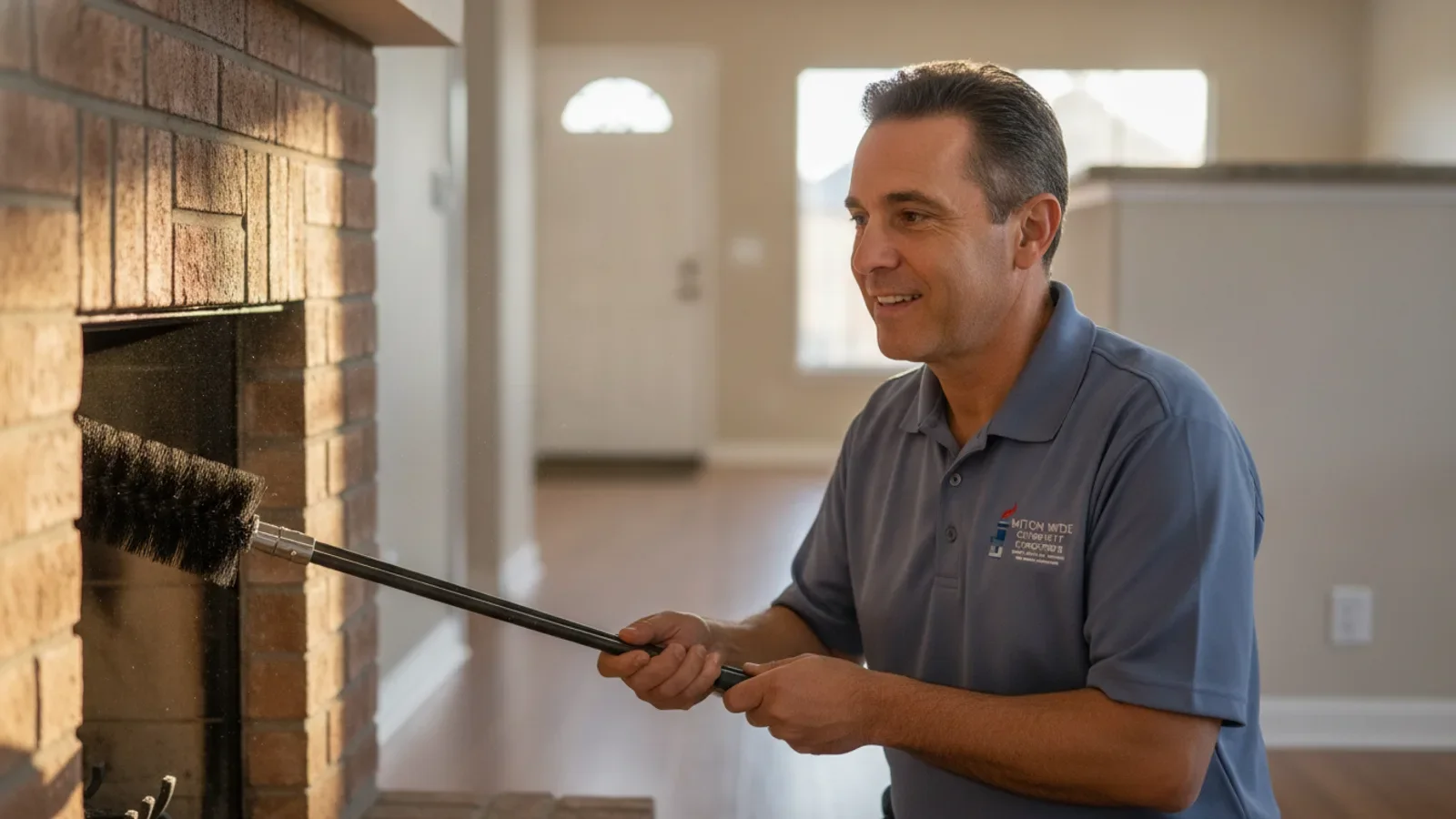
- Schedule a yearly sweep with a professional local chimney sweep service to remove creosote, a highly flammable byproduct of wood combustion that sticks to flue walls.
- Look for signs of creosote glaze, a thick, shiny, tar-like substance that requires specialized equipment to safely remove from the chimney liner.
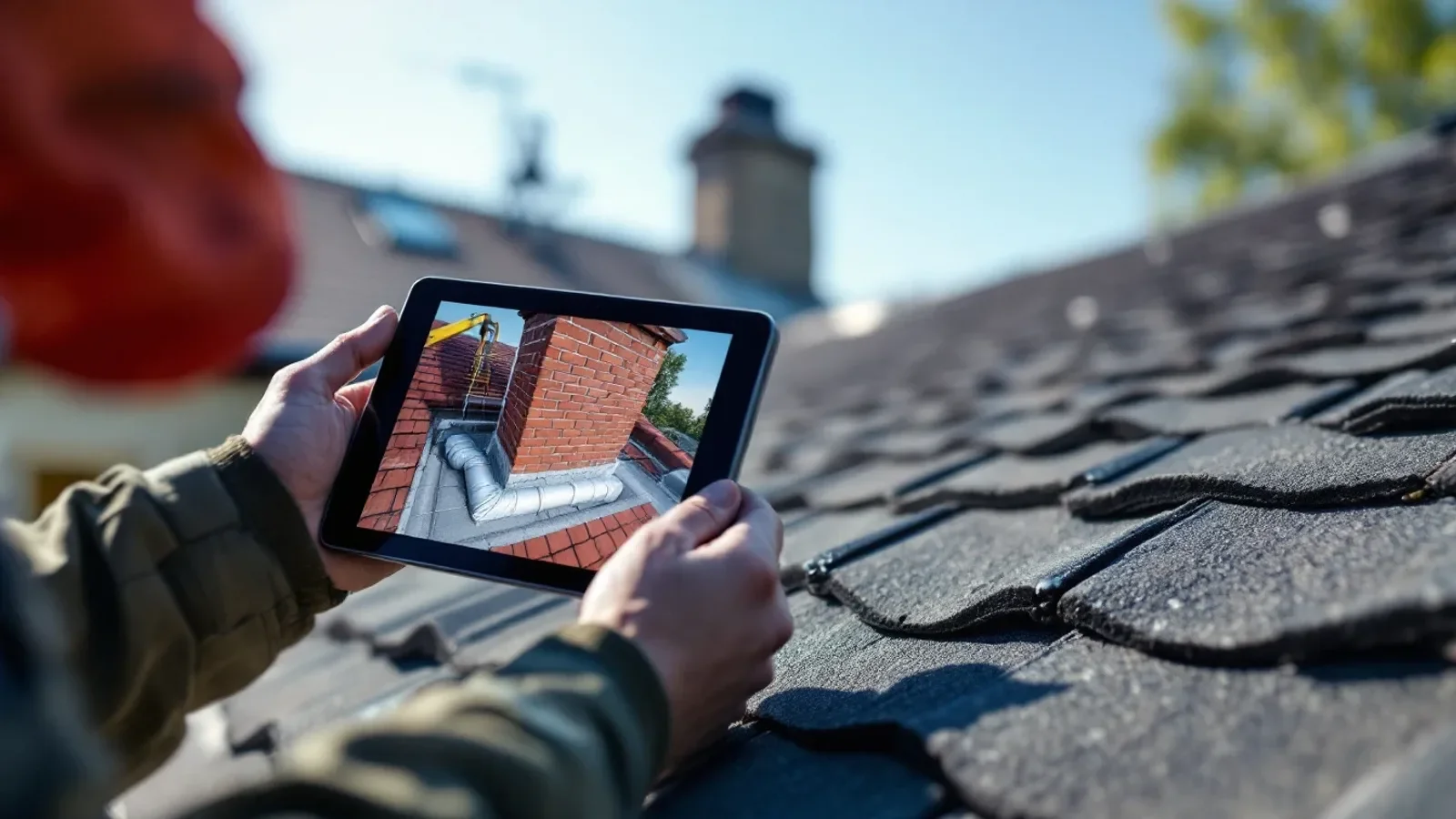
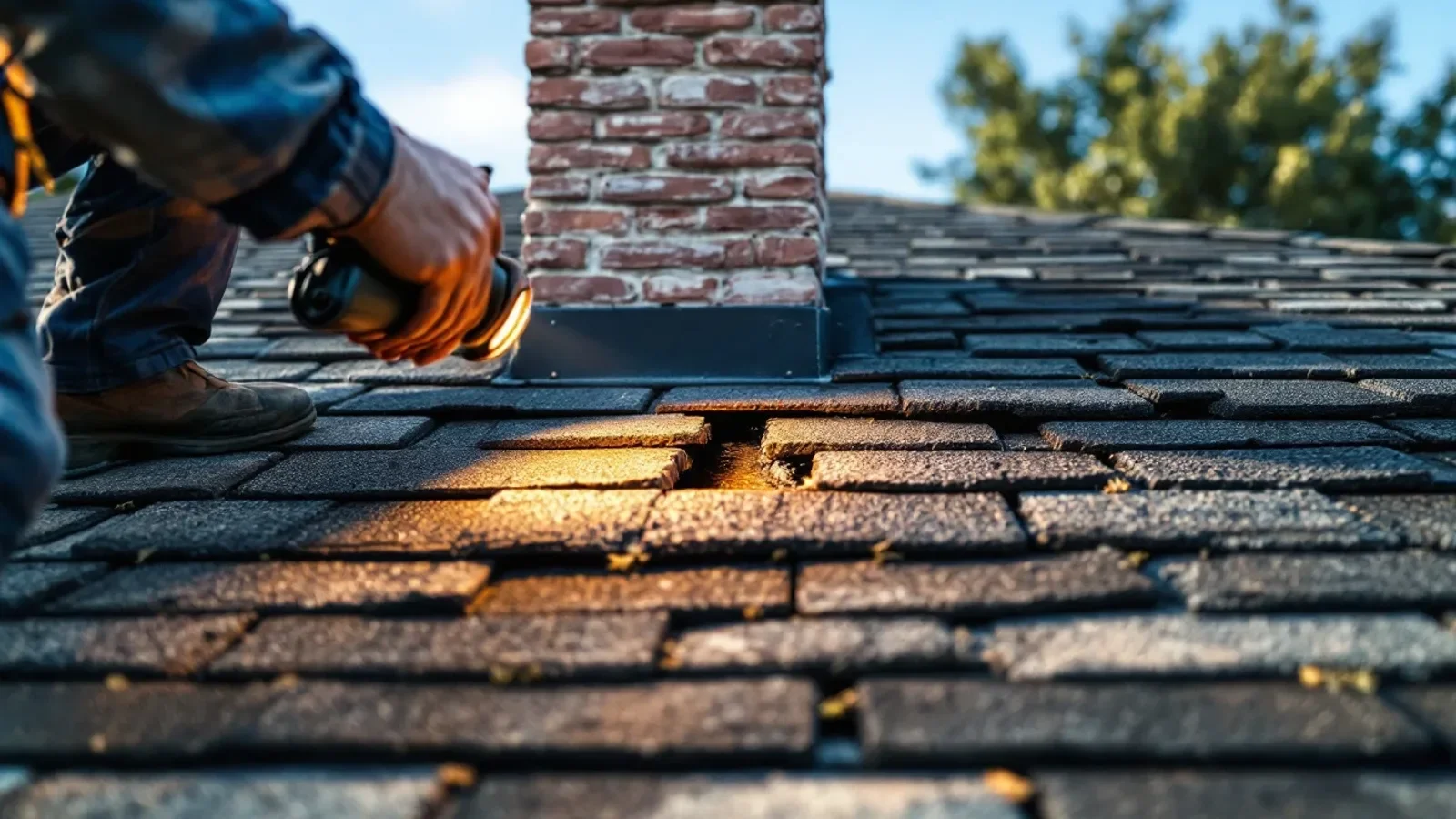
- Inspect the integrity of the chimney crown, the concrete slab at the top of the stack, to ensure no cracks are letting rainwater seep down into the brickwork.
- Check the condition of the mortar joints on the exterior brickwork, replacing crumbling sections before water can cause the masonry to degrade.
- Clear away overhanging tree branches within ten feet of the chimney top to minimize fire risks and prevent wind-driven limbs from damaging the cap.
Many Concord homeowners rely on expert milpitas earthquake chimney safety checklist in Concord for exactly this.
Fireplace Operation and Daily Safety Practices
The way you burn wood impacts how quickly soot accumulates in your flue. Safe burning habits keep your system running cleaner for longer periods between professional visits.
- Burn only seasoned hardwoods like oak or maple that have dried for at least six months, avoiding green wood which produces excessive smoke and rapid creosote buildup.
- Avoid burning painted wood, pressure-treated lumber, cardboard, or trash, as these release highly toxic chemicals and can damage your chimney liner.
- Utilize a heavy-duty spark screen or tempered glass doors whenever a fire is lit to prevent popping embers from escaping onto your living room floor.
- Clean out the ash pit regularly, leaving a thin layer of ash at the bottom of the firebox to help insulate the next fire you build.
- Confirm that all ashes are completely cold before removing them, and always deposit them into a dedicated metal container stored far away from your house.
- Review the complete home fireplace safety inspection checklist to learn how to monitor your system between professional service visits.
Frequently Asked Questions
Ready for the next step? Learn how milpitas earthquake chimney safety checklist services in Concord can help and reach out to the team.
How often should a new homeowner in Milpitas get their chimney swept?
Homeowners should have their venting systems inspected at least once a year, with sweeping performed whenever soot and creosote buildup reaches one-eighth of an inch inside the flue. Regular maintenance prevents hazardous blockages and ensures safe operation throughout the burning season.
Can I sweep my own chimney to save on maintenance costs?
While basic cleaning tools are commercially available, professional sweeps possess the specialized brushes, high-powered vacuums, and training required to safely clean a flue without dispersing soot into your living room. Additionally, certified sweeps can identify subtle structural defects, liner cracks, and moisture issues that an untrained eye might easily miss.
What should I do if my fireplace smokes back into the room?
If smoke spills into your home, first verify that the damper is fully open and that you are burning dry, seasoned wood. If the issue persists, it usually indicates a severe flue blockage, a cold chimney flue that needs preheating, or an undersized chimney cap that requires professional attention.
A Safe Hearth Starts with Proactive Maintenance
Taking care of your fireplace early on saves you from unexpected repair issues and ensures your home remains a warm, secure haven. If you are ready to establish a safe baseline for your new property, read our guide on chimney negotiations to see how previous inspection findings can assist you, or contact our expert team today to schedule your comprehensive chimney sweep and safety assessment.