
How to Spot the Key Masonry Repair Signals in Your Milpitas Home
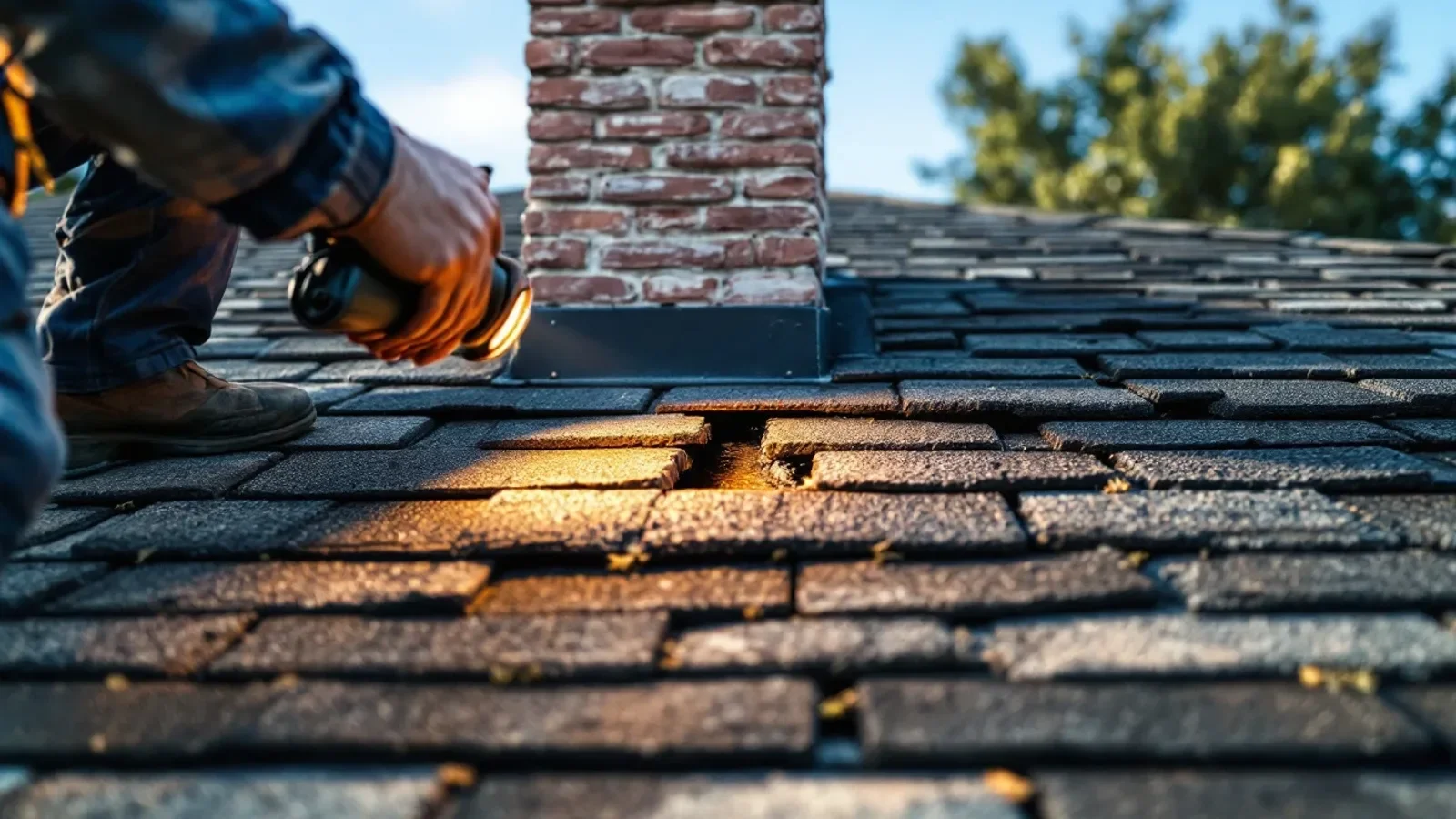
Are you wondering if those tiny cracks in your fireplace bricks are actually a warning sign of a much larger structural issue? It is a common question for homeowners in Milpitas who notice subtle changes in their brickwork but are unsure if the issue requires immediate attention or can be safely ignored. Often, what looks like a minor cosmetic blemish on the exterior of a chimney is the first outward indicator of deep physical stress. In our local Northern California climate, catching these early warning signs before they develop into major structural failures is the best way to keep your home safe and structurally sound.
The Silent Stress on South Bay Brickwork
To understand why masonry decay occurs, we have to look closely at the unique environmental conditions of the South Bay. Milpitas homes sit in a landscape characterized by highly expansive clay soils, frequent seismic micro-tremors, and a distinct climate of dry, hot summers followed by damp, foggy winter nights. This combination creates a challenging environment for rigid brick structures.
When the heavy clay soil beneath a home swells with winter rain and shrinks during the summer heat, foundations experience microscopic shifts. Bricks and mortar are highly rigid materials; they do not bend when the earth moves. Instead, they absorb the stress, which eventually manifests as cracks along the mortar lines or through the faces of the bricks themselves. Additionally, the daily temperature swings in the foothills cause building materials to expand and contract. Over years of these cycles, the structural integrity of your fireplace and chimney is slowly tested, making regular seismic chimney safety checks an essential part of local home maintenance.
1. Flaking and Crumbling Bricks (Spalling)
One of the most obvious masonry repair signals is a phenomenon known as spalling. This happens when the outer surface of the brick begins to flake, peel, or crumble away, sometimes falling off in large chunks or leaving a sandy, red dust at the base of your chimney.
Spalling is caused by water penetration. Bricks are naturally porous, acting like dense sponges that soak up moisture during our rainy winter season. If that water gets trapped inside the brick and undergoes temperature shifts, or if the brick is subjected to internal pressure from shifting masonry, the physical structure of the clay bonds begins to break down. Once the hard outer glaze of a brick is lost to spalling, the soft inner core is exposed to the elements, accelerating the decay. If you notice red dust in your firebox or brick fragments in your yard, it is a clear sign that the physical structure of your masonry is degrading and requires professional attention.
2. Cracked or Missing Mortar Joints
Mortar is the glue that holds your masonry together, but it is also designed to be slightly softer than the bricks themselves so that it bears the brunt of physical stress. Over time, however, mortar joints can dry out, crack, and fall away. This condition, known as decayed mortar, leaves deep gaps between your bricks.
When mortar joints are compromised, the structural support of the entire chimney is weakened. Water can easily run into these open joints during winter storms, pooling inside the wall cavity where it can rot nearby wooden framing or rust metal fireplace components. Left untreated, loose bricks can slide out of alignment, creating a serious collapse hazard. Resolving this issue involves a careful process called tuckpointing, where the old, decayed mortar is routed out and replaced with fresh, color-matched mortar that restores both the strength and the appearance of the structure. Keeping up with this maintenance is key to avoiding more extensive chimney repair work down the line.
If you want it handled correctly the first time, consider professional how to choose milpitas chimney repair in Concord.
3. The Decay of the Chimney Crown
At the very top of your chimney sits the crown, a sloped slab of concrete designed to shed rainwater away from the flue and the exterior brick walls. Because it is completely exposed to the baking California sun and heavy downpours, the chimney crown is often the first area to suffer damage.
When a crown develops cracks, water does not just run off; it seeps directly down into the interior of the masonry column. This hidden water intrusion can cause unseen damage to the chimney flue liner and wash away the mortar joints from the inside out. Because the crown is high above the ground, this damage is rarely visible from your driveway. Often, the only way to detect a cracked crown early is through a professional preventative inspection before the moisture manages to travel all the way down into your living room ceiling.
4. White, Powdery Staining (Efflorescence)
Sometimes, the warning sign is not a physical crack, but a color change. If you notice a white, powdery, or salty substance coating the exterior of your chimney, you are looking at efflorescence.
Efflorescence occurs when water dissolves natural salts present within the brick or mortar. As moisture travels outward to evaporate in the warm breeze, it carries these dissolved salts to the surface, leaving behind a white crystalline residue. While the white powder itself can be brushed away, its presence is a major warning signal: it proves that water is actively traveling through your masonry. If you ignore this sign, that persistent moisture movement will eventually cause spalling, mold growth inside your home walls, and deep structural decay.
5. Shifting, Leaning, or Separation
The most severe masonry repair signals involve visible movement of the chimney structure itself. If you step back into your yard and notice your chimney is tilting slightly, or if you see a gap opening up between the exterior chimney brickwork and your home’s siding, you are facing a critical structural failure.
This shifting is frequently tied to foundation settlement, soil movement, or historical seismic activity in the Bay Area. When a heavy masonry chimney begins to pull away from the home, it exerts massive leverage on the roofline and internal framing. This is not a problem that will stabilize on its own; over time, the lean will worsen, creating a severe safety hazard for your family and neighbors. Addressing a leaning chimney requires a comprehensive evaluation to stabilize the foundation and secure the masonry back to the home’s structural framing.
Many Concord homeowners rely on expert how to choose milpitas chimney repair in Concord for exactly this.
What to Expect During Professional Masonry Restoration
When you contact a professional to address these masonry repair signals, the process begins with a detailed visual assessment. A specialist will examine the stability of the brickwork from the ground to the rooftop, checking for hidden water damage and checking the flue liner for hidden cracks.
Once the specific issues are identified, targeted repairs can begin. For cracked mortar, the technician will carefully grind away the damaged material and apply fresh mortar that matches the strength and color of your original structure. Damaged or spalling bricks are carefully chiseled out and replaced with matching units. If the chimney crown is cracked, a durable, elastomeric crown sealant can be applied to create a seamless, waterproof barrier. Throughout the process, experienced technicians use specialized techniques to minimize dust and ensure that your home and landscaping are fully protected.
Frequently Asked Questions
Can I use standard concrete patch to fix my chimney crown?
Standard concrete patch is highly rigid and lacks the flexibility to handle the thermal expansion that a chimney crown experiences. It will quickly crack and peel away, so it is highly recommended to use professional-grade elastomeric crown sealants that expand and contract with temperature changes.
How do earthquakes affect the brickwork of Milpitas chimneys?
Seismic vibrations cause rigid brick chimneys to sway, which can shear the mortar joints or crack the chimney structure. Over time, even minor seismic tremors can weaken the bonds between bricks, making them more susceptible to crumbling or collapsing during future movements. This makes choosing an experienced local masonry specialist vital for ensuring safety upgrades are handled correctly.
Does efflorescence mean my chimney is structurally unsafe?
Efflorescence itself is a cosmetic deposit of salt, but it is an active indicator of water intrusion. While it does not mean your chimney is about to collapse tomorrow, it is a warning that water is moving through the bricks, which will lead to spalling and structural failure if the source of the moisture is not sealed.
Protect Your Home’s Masonry Today
Ignoring small cracks and crumbling mortar today can lead to complex structural issues down the road. Protecting your chimney from the elements and seismic stress requires proactive, professional maintenance. If you have spotted any of these warning signs on your home, we are here to help. You can easily contact our team to schedule a comprehensive professional chimney inspection and repair service to ensure your fireplace and chimney remain safe, beautiful, and secure for years to come.