
Preventative Chimney Masonry Care for Milpitas Winters
As winter storms sweep across the South Bay, a cold, persistent drizzle often replaces the bright summer sun. You might step out onto your patio after a heavy downpour and notice dark, damp patches lingering on your brickwork long after the rain has stopped. In Milpitas, California, where the shift from hot, dry summers to wet, foggy winters is a seasonal norm, this retained moisture is more than just an aesthetic issue. It is a sign that your masonry is absorbing water like a sponge, setting the stage for structural decay behind the scenes.
Without proactive protection, winter moisture seeps deep into porous bricks and mortar joints. When temperatures drop overnight, this trapped water expands, weakening the physical bonds of the masonry. Implementing a strategy for preventative chimney masonry care is the most effective way to protect your fireplace system, keeping water outside where it belongs and avoiding structural failures that require extensive chimney repair services.
The Essential Exterior Chimney Waterproofing Checklist
Protecting your brickwork starts on the outside. Because masonry is naturally porous, it acts as a gateway for water to enter your home unless it is properly sealed and maintained. Use this checklist to evaluate the exterior health of your chimney structure before the winter rains saturate the brickwork.
- Inspect the masonry for dark water-staining: Look for sections of brick that remain dark and wet hours after a storm has passed, which indicates high absorption rates and a breakdown in the masonry’s natural shedding ability.
- Examine the mortar joints for soft spots: Use a small, flat tool to gently press against the mortar; if it crumbles or sheds sandy debris easily, the joint has lost its structural integrity and requires professional attention.
- Assess the chimney crown for surface fractures: Look closely at the concrete slab at the very top of the chimney to identify hairline fractures or deep cracks where pooling rainwater can penetrate.
- Apply a vapor-permeable water repellent: Avoid standard silicone sealants that trap moisture inside the brick; instead, apply a professional-grade, breathable silane-siloxane formula that allows internal moisture to escape while blocking exterior rain.
- Verify the integrity of the chimney cap: Ensure a dual-purpose stainless steel or copper cap is securely mounted over the flue opening to prevent direct downpours from entering the interior system.
The Chimney Flashing and Roofline Seal Checklist
If you want it handled correctly the first time, consider professional how to choose milpitas chimney repair in Concord.
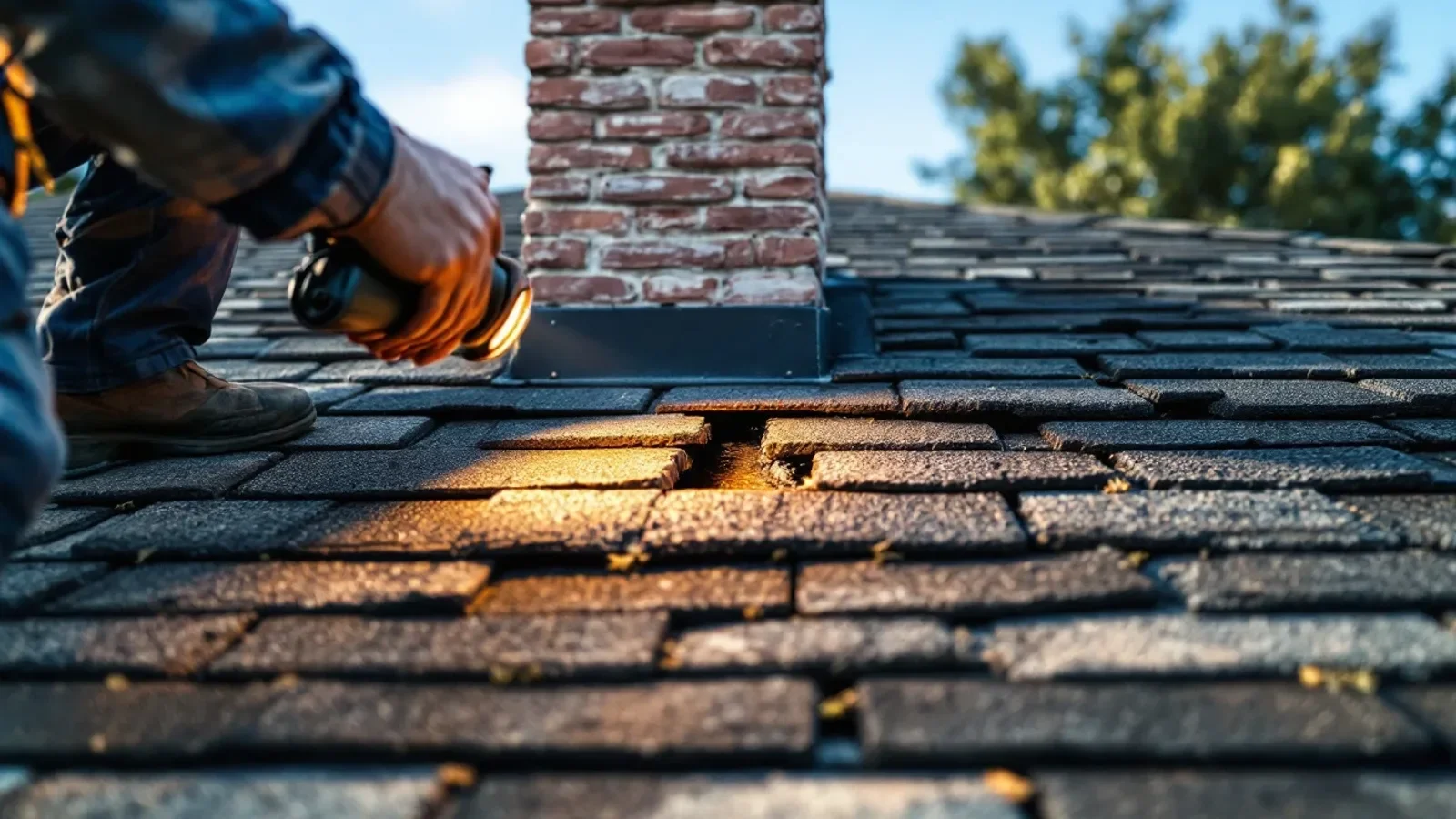
The intersection where your chimney meets the roof is one of the most vulnerable locations for water intrusion. When metal flashing pulls away or rusts through, rainwater runs directly down the exterior of the brick chimney, entering your attic and damaging ceilings. This checklist helps you assess the seals protecting this critical junction.
- Check the counter-flashing embedment: Verify that the upper metal pieces are securely embedded into the mortar joints rather than just sealed to the surface with temporary caulk.
- Identify signs of rusted or corroded metal: Look for orange rust streaks or pitting on galvanized metal flashing sheets, which indicate the material has worn thin and is near failure.
- Inspect the step flashing along the roof slope: Ensure the individual metal shingles woven between your roof tiles are flat, clean, and free of organic debris like pine needles or leaves.
- Examine the sealant beads along the metal edges: Search for dried, cracked, or peeling polyurethane sealant along the top edges of the metal flashing, replacing worn spots with fresh, weather-resistant compounds.
- Clear adjacent roof valleys and gutters: Remove leaves and debris from nearby valleys and gutters to prevent water from backing up and pooling against the base of the chimney.
The Firebox and Interior Inspection Checklist
Water damage is not always visible from the driveway. Often, the earliest warnings of a leaking system manifest inside the fireplace itself. Use this internal checklist to catch water penetration before it causes structural damage to your home’s interior living spaces.
- Look for white, powdery salt deposits: Search the interior brick walls of your firebox for efflorescence, a white powder left behind when water evaporates and leaves dissolved minerals on the masonry surface.
- Check for rusting metal components: Examine the damper plate, grate, and ash dump door for red rust or stiff operation, which are clear signs of moisture dripping down the flue.
- Inspect the firebox mortar for softening: Use a screwdriver to test the joints between the firebricks; soft, crumbling mortar inside the firebox can allow heat and moisture to bypass the safety lining.
- Search for ceiling or drywall staining: Examine the plaster or drywall immediately surrounding the fireplace breast and upper walls for yellow, brown, or bubbling water stains.
- Monitor for musty, damp odors: Pay close attention to damp, earthy smells emanating from the fireplace during humid days, which indicate active mold or mildew growth inside the chimney cavity.
Many Concord homeowners rely on expert how to choose milpitas chimney repair in Concord for exactly this.
Milpitas-Specific Climate and Masonry Considerations
Our local environment presents a unique set of challenges for brick and mortar structures. The Santa Clara Valley experiences a highly seasonal climate, with dry, baking summer heat followed by intense winter rainstorms. This dramatic wet-dry cycle causes clay soils to expand and contract, which can place physical stress on a home’s foundation and chimney footprint.
- Assess foundation shifting after heavy rains: Monitor the vertical alignment of your chimney as the ground transitions from dry summer soil to saturated winter clay, keeping an eye out for minor tilting or separation from the roofline.
- Prepare for microclimate wind-driven rain: Adjust your maintenance focus if your home is located near the foothills of Ed R. Levin County Park, where strong, wind-driven winter storms drive rainwater horizontally against exposed masonry surfaces.
- Check for seismic stress cracks before winter: Examine the brickwork for tiny fractures caused by minor local tremors, as even small seismic shifts can create pathways for winter rainwater to penetrate the structure. For detailed guidance on earthquake safety, review our earthquake safety checklist.
- Watch for early signs of mortar decay: Look for crumbling joints that are highly susceptible to fast-tracked water damage during our damp winter months, which you can learn to spot in our guide on signs of masonry repair needs.
Frequently Asked Questions
Ready for the next step? Learn how how to choose milpitas chimney repair services in Concord can help and reach out to the team.
How do I know if my chimney needs waterproofing or a full repair?
Waterproofing is a preventative measure designed for sound brickwork that is beginning to absorb dampness. If your chimney already has cracked bricks, crumbling mortar joints, or loose masonry, those structural defects must be resolved with physical repairs before a protective water repellent can be applied.
Can I use standard hardware store silicone spray on my brick chimney?
No, standard silicone sealants create an impermeable film that traps natural moisture inside the brickwork. When temperatures fluctuate, this trapped moisture cannot escape, causing the face of the brick to flake off in a process known as spalling. Always use a professional-grade, breathable silane-siloxane water repellent.
How often should I have my chimney inspected for water damage in Milpitas?
A professional inspection is recommended annually, ideally in the late summer or early fall. This timing ensures that any hairline cracks, damaged flashing, or deteriorated mortar can be repaired before the rainy winter season begins, keeping your home dry and safe.
Protect Your Masonry Before the Rain Begins
Taking care of your brickwork now prevents minor dampness from turning into major structural decay. If you have noticed damp bricks, crumbling mortar, or musty smells in your fireplace, contact Nation Wide Chimney Sweep & Repair Concord to schedule a professional chimney inspection and keep your home protected all winter long.