Why Milpitas Earthquake Tremors Cause Hidden Seismic Chimney Damage
Geological data reveals that the East Bay portion of the San Francisco Bay Area is one of the most seismically active corridors in Northern California, crossed directly by the Hayward Fault zone and bordered closely by the Calaveras Fault. In Milpitas, earth movement is not always felt as a dramatic, sudden shaking. Often, the tectonic activity presents itself as low-level, continuous micro-tremors. While these minor vibrations might not knock picture frames off your walls, they exert continuous, cyclic stress on rigid household structures, with masonry chimneys being among the most vulnerable.
Over time, these subtle shifts undermine the structural integrity of residential brick and mortar. Because a chimney is a tall, heavy, and rigid structure anchored to a home that moves independently during a tremor, the interface between the two is subjected to massive shear forces. When local homeowners fail to recognize these quiet warning signs, minor cracks can rapidly develop into severe safety hazards. This guide debunks the most common misconceptions about how seismic activity interacts with brick masonry, helping you protect your home and preserve your property value.
The Unique Seismic Stress on Milpitas Masonry
Milpitas features a distinct mix of housing stock, ranging from mid-century ranch homes in the older valley flatlands to newer, multi-level developments climbing toward the foothills. The soil composition in the lower flatlands consists heavily of alluvial clay and bay mud, which tends to amplify seismic waves during even minor tremors. When the ground undulates, the base of the chimney moves with the earth, while the taller, heavier upper stack lags behind due to inertia. This creates a whip-like effect.
Because brick and mortar are exceptionally strong under compression (supporting downward weight) but incredibly weak under tension (pulling apart or twisting), this whipping action easily fractures the binding material. This structural dynamic is why minor seismic chimney damage is so prevalent in Santa Clara County, even during years without a major declared earthquake. When these fractures occur, they compromise the entire venting system, allowing moisture to seep in and combustion gases to escape into the living spaces. To protect your household, you can read our detailed chimney repair guide for Milpitas homeowners to understand how structural recovery is managed after tectonic settlement.
Myth: Only Large, Felt Earthquakes Cause Chimney Damage
Reality: Many homeowners believe that if they did not feel the ground roll, their chimney must be perfectly fine. In reality, the continuous accumulation of micro-tremors along the Calaveras and Hayward fault lines acts like slow metal fatigue. Each minor tremor, measuring even 2.0 or 3.0 on the Richter scale, sends vibrations through the alluvial soil of Milpitas, causing imperceptible swaying in brick stacks.
Over several years, these tiny vibrations cause microscopic separations between the brick units and the mortar joints. This process is cumulative. A chimney that has survived thirty years of minor tremors may suddenly develop a prominent lean or extensive cracking during an otherwise unremarkable week because the mortar has finally reached its fatigue limit. Relying solely on whether you felt an earthquake is a dangerous metric for assessing structural safety.
Myth: Steel Straps and Braces Keep Old Chimneys Completely Safe
Reality: While seismic bracing and retrofitting are highly recommended and often required by local building codes during major renovations, they are not a magic shield against all forms of deterioration. Bracing is primarily designed to prevent a catastrophic collapse of the stack onto the roof or yard during a major earthquake. It does not stop the localized flexing that occurs during minor tremors.
In fact, rigid steel straps can sometimes concentrate seismic stress at the exact points where the metal brackets attach to the masonry. If the mortar surrounding those attachment points is already soft or degraded, the localized strain can accelerate cracking in those specific zones. Bracing must always be paired with routine assessments, such as a professional post-tremor chimney safety checklist, to ensure the structural joints remain sound.
Myth: Cracks in Mortar Joints Are Just Cosmetic Issues
If you want it handled correctly the first time, consider professional how to choose milpitas chimney repair in Concord.
Reality: A hairline fracture in a mortar joint is never purely cosmetic. The mortar acts as both a structural adhesive and a weatherproofing seal. Once a seismic tremor creates a pathway through the mortar, it invites two major destructive forces: water and flue gases.
In the Bay Area, winter rains can drive moisture deep into these seismically induced cracks. When moisture penetrates the brickwork, it degrades the internal structure of the mortar, turning it soft and powdery. Additionally, if the crack extends all the way through the chimney breast or flue liner, toxic combustion byproducts, including carbon monoxide, can bypass the venting path and escape into your home’s attic or living areas. Any crack is an indication that the structural envelope has been breached.
Myth: Modern Chimneys Built to Code Are Immune to Seismic Damage
Reality: It is true that modern building codes in California enforce strict engineering standards for masonry construction, including the integration of steel rebar reinforcement and solid grout cores. However, “seismic resistant” does not mean “seismic proof.” Modern chimneys are still subjected to the same physics of inertia and soil amplification as older structures.
While a reinforced chimney is highly unlikely to fall over, the rigid internal steel rebar can actually transfer stress to the softer outer brick veneer during a tremor. This can cause the outer brickwork to crack or spall, even while the internal core remains standing. Over time, these cracks allow water to reach the internal steel rebar, leading to rust, expansion, and eventual concrete bursting from within. Even if your Milpitas home was built recently, its masonry system still requires routine monitoring to catch early signs of tectonic wear. To help recognize these subtle indicators early, refer to our guide on the signs a home needs masonry repair.
Myth: You Can Easily Spot All Seismic Chimney Damage from the Ground
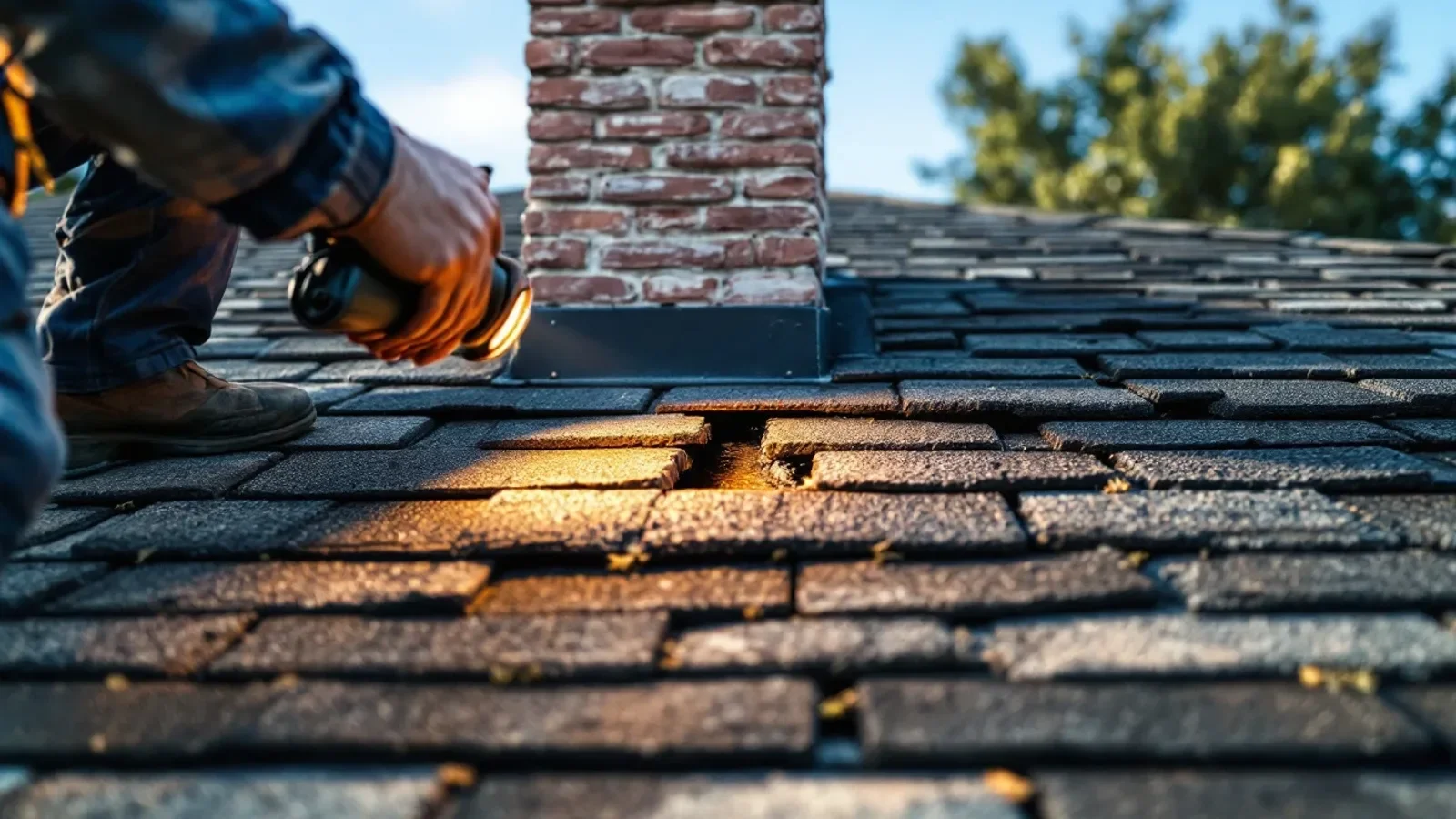
Reality: The vast majority of seismic stress accumulates at critical structural transition points that are completely invisible from your driveway. The primary areas of failure include the roofline intersection, where the rigid house frame meets the semi-independent chimney stack, and the internal flue liner.
When a tremor occurs, the house and the chimney slam against one another at the roofline. This often shatters the flashing, the shoulder masonry, or the internal clay flue tiles. A clay flue liner can easily crack or shift out of alignment inside the chimney breast during a minor tremor while the exterior brickwork looks completely untouched. Operating a fireplace with a cracked internal flue liner is a severe fire hazard. This is why a comprehensive professional chimney inspection utilizing specialized camera equipment is the only reliable way to verify structural safety after seismic movement.
Myth: Water Damage and Seismic Damage Are Unrelated
Reality: Tectonic activity and water intrusion are deeply connected in a destructive cycle. Seismic tremors create the initial structural pathways by cracking the mortar joints, the concrete chimney crown, or the flashing seals. Once these cracks exist, rainwater enters the masonry during wet winter months.
The moisture dissolves the binder in the mortar, weakening the structural joint. When the next minor tremor rolls through, the weakened mortar has even less capacity to withstand the shear force, leading to wider cracks and more significant structural movement. Stopping this cycle requires addressing both seismic stability and weatherproofing. Homeowners can explore further details on mitigating this threat in our article on preventing masonry water damage.
Many Concord homeowners rely on expert how to choose milpitas chimney repair in Concord for exactly this.
Myth: Tuckpointing Can Fix Any Seismic Masonry Problem
Reality: Tuckpointing, or grinding out old mortar and replacing it with fresh mortar, is an excellent maintenance procedure for weathered joints, but it is not a structural repair for a failing chimney. If seismic activity has caused the chimney stack to shift, lean, or separate from the house frame, simply cosmeticizing the joints with new mortar will not restore structural integrity.
Applying fresh mortar over a shifting structure is a short-term band-aid. Under the stress of the next minor vibration, the new mortar will quickly crack because the underlying structural instability was never corrected. True seismic recovery requires evaluating whether the chimney needs structural anchoring, foundation stabilization, or a complete rebuild of the weakened sections before any cosmetic finishing work is done.
Frequently Asked Questions
How do I know if a minor earthquake damaged my chimney?
Look for fresh debris, such as small pieces of mortar or red brick dust, inside your fireplace firebox or on the roof around the base of the chimney. Check your attic space for any new gaps between the chimney structure and the wood framing, and walk outside to inspect the exterior brickwork for fresh hairline cracks, particularly near the roofline.
Can I still use my fireplace if there is a small crack in the chimney?
You should avoid using your fireplace until the chimney has been professionally inspected. Even a small crack can allow heat, sparks, or toxic gases like carbon monoxide to escape into the hidden cavities of your home, creating an immediate fire or health risk that is not visible from the living room.
Why does the soil in Milpitas make seismic damage worse?
Milpitas features areas with high clay content and soft alluvial soils. These types of soil tend to amplify seismic waves, causing buildings and masonry structures to experience more intense shaking and swaying during a tremor compared to homes built on solid rock or compacted soil.
How often should a chimney be inspected for seismic wear in the Bay Area?
It is best practice to have your chimney inspected annually as part of your regular home maintenance. Additionally, you should schedule a professional assessment after any felt seismic event to ensure that minor vibrations have not compromised the internal flue or structural connections.
Protecting Your Home’s Masonry Health
Living in the seismically active Bay Area means accepting that our homes are constantly subject to the quiet, powerful forces of tectonic movement. While we cannot prevent micro-tremors from occurring, we can prevent them from turning into catastrophic structural failures. Understanding that minor vibrations cause cumulative, hidden wear to your brickwork is the first step in responsible homeownership.
By debunking these common masonry myths, you can make informed decisions about your home’s upkeep. Regular maintenance, proactive inspections, and addressing small cracks before they expand are the most effective ways to preserve your chimney’s structural integrity. When you are ready to evaluate the structural health of your masonry or need a professional assessment following a tremor, our experienced team is here to help ensure your home remains safe and secure.