What to Expect During a Professional Chimney Sweep in Milpitas
You catch a faint smoky smell drifting through your living room even though the fireplace has been cold for weeks. It is one of those subtle signals that something inside the flue deserves a closer look. If you live in Milpitas and have been putting off scheduling a chimney cleaning because you are not sure what the process involves, this guide walks you through every step, from the moment the technician knocks on your door to the final inspection report.
Why Milpitas Homeowners Schedule Chimney Cleanings
Milpitas sits at the southern end of the San Francisco Bay, where mild, damp winters alternate with long dry summers. That climate pattern matters for chimneys. Moisture from seasonal fog and rain seeps into masonry joints, and when a fireplace goes unused through the warm months, residual creosote inside the flue can harden into a stubborn, glazed layer. When the first cold snap arrives and residents light their first fire of the season, that buildup becomes a real concern.
Many homes in Milpitas were built during the tract-housing boom of the 1960s through the 1980s. Chimneys from that era often feature standard clay-tile liners that can develop hairline cracks over decades of thermal cycling. Combine aging infrastructure with the Bay Area’s occasional seismic activity, and a routine fireplace cleaning becomes more than just sweeping out ash. It is also the most practical opportunity to spot liner damage, mortar deterioration, or obstructions before the heating season begins.
For a deeper look at why timing matters, see our guide to pre-winter chimney care in Milpitas.
Before the Appointment: What You Should Do
A little preparation on your end makes the visit smoother and keeps your home cleaner.
- Clear a path to the fireplace. Move furniture, rugs, and decorative items at least four feet back from the hearth. Technicians set up drop cloths, but extra clearance helps.
- Remove loose ash from the firebox. A cold firebox with minimal loose ash is easier to work in. Leave at least 24 hours after the last fire before the appointment.
- Note any recent changes. If you have noticed unusual odors, smoke backing into the room, or visible cracks in the firebox, write them down. Sharing these observations at the start of the visit helps the technician focus the inspection.
- Secure pets and plan for brief noise. Rotary brushes and a HEPA-filtered vacuum create moderate noise for 45 to 90 minutes. Most pets are more comfortable in another room.
Step-by-Step: How a Professional Chimney Sweep Works
Here is what a standard cleaning appointment looks like from start to finish.
Step 1: Initial Visual Assessment
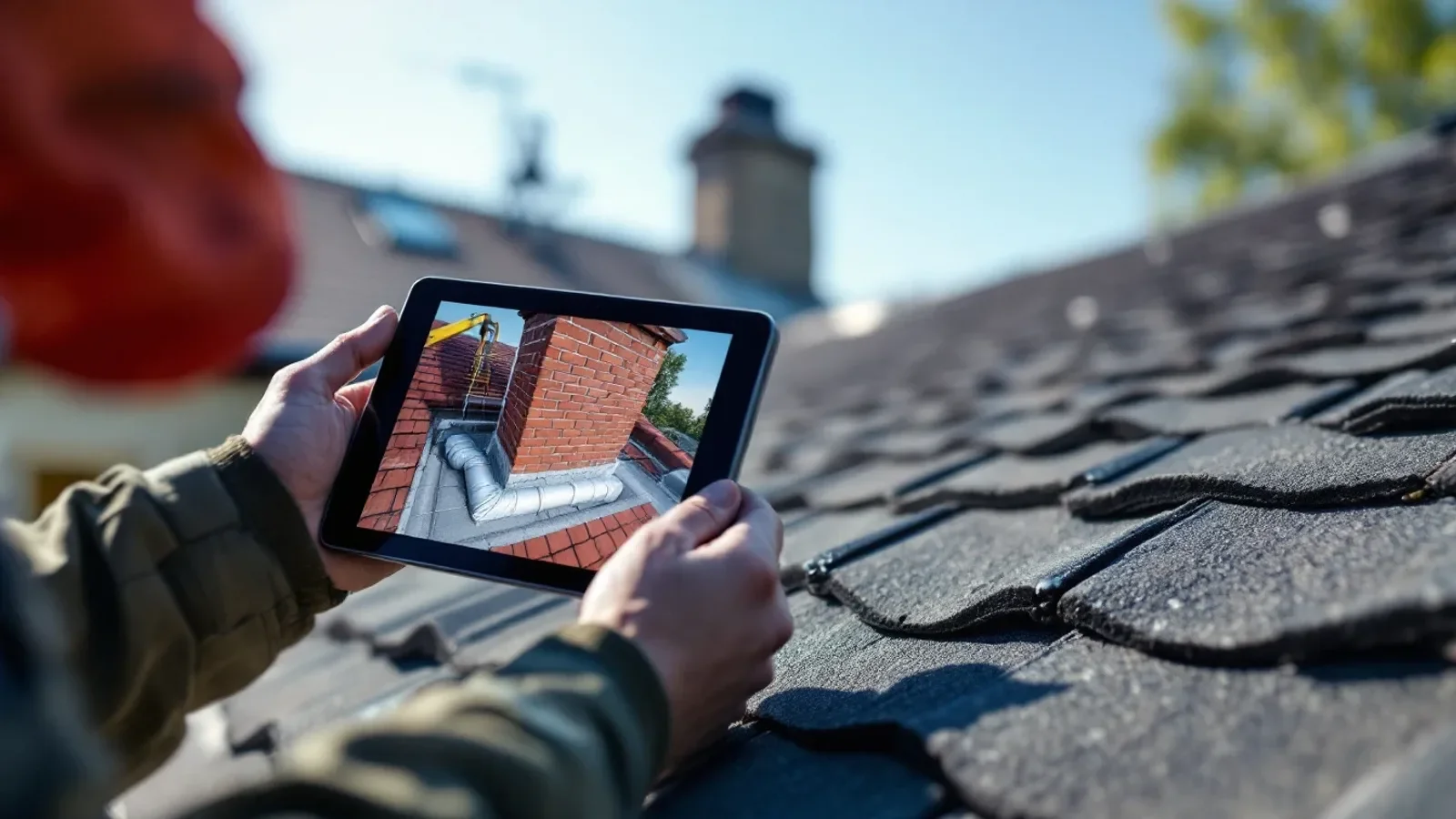
The technician begins outside, looking at the chimney crown, cap, and flashing from the ground. They check for obvious mortar damage, missing cap components, or vegetation growing near the top. Inside, they examine the firebox, damper, and smoke shelf before any tools come out. This two-minute walk-around shapes the entire approach for the rest of the visit.
Step 2: Protecting Your Interior
Drop cloths cover the hearth and surrounding floor. A specialized vacuum with a HEPA filter is connected to the firebox opening to create negative pressure inside the flue. This is the detail that separates a professional visit from a DIY attempt: the negative-pressure setup keeps fine soot and creosote particles from drifting into your living space during brushing.
If you want it handled correctly the first time, consider professional milpitas chimney cleaning inspection schedule guide in Concord.
Step 3: Flue Brushing and Creosote Removal
Using rotary or hand brushes sized to match your specific flue dimensions, the technician works from the top of the chimney downward (or in some configurations from the firebox upward, depending on access). Brushes break up creosote deposits and dislodge debris, which falls into the firebox and is immediately captured by the vacuum system.
Creosote accumulates in three distinct forms. The first is a light, flaky deposit that brushes away easily. The second is a darker, tar-like layer that requires more aggressive brushing. The third, sometimes called glazed creosote, is a dense, shiny coating that standard brushing alone may not fully remove and can require chemical treatment before mechanical removal. If you want to understand what stage your fireplace might be in, this breakdown of creosote buildup signs in Milpitas fireplaces covers the visual indicators in detail.
Step 4: Smoke Shelf and Firebox Cleaning
The smoke shelf, the horizontal ledge just above the damper, collects a surprising amount of debris: soot, animal nesting material, leaves, and hardened creosote. Technicians clean this area by hand using brushes and scoops. The firebox walls and floor are also brushed and vacuumed to remove loose ash and carbon deposits.
Step 5: Damper and Component Inspection
With the flue clean, the damper plate, frame, and sealing surfaces are inspected for corrosion, warping, or broken components. A damper that does not seal properly allows conditioned air to escape year-round, and in Milpitas, where summer cooling costs add up, a faulty damper is a quiet energy drain worth addressing.
Step 6: Final Inspection and Report
Once cleaning is complete, the technician does a final pass, often using a flashlight or camera to verify the liner condition. You receive a verbal summary and, depending on the service package, a written report noting the condition of each component. If any issues require follow-up, they are documented clearly so you can make an informed decision.
Curious about how an inspection differs from the cleaning itself? Our article on chimney sweep vs. inspection differences in Milpitas explains what each service covers and when you need both.
What a Chimney Cleaning Does and Does Not Include
Understanding scope helps set realistic expectations.
| Included in a Standard Cleaning | Separate Service or Add-On |
|---|---|
| Flue brushing and vacuuming | Level 2 or Level 3 video inspection |
| Smoke shelf and firebox cleaning | Liner relining or repair |
| Damper visual check | Crown sealing or waterproofing |
| Basic condition report | Chimney cap installation or replacement |
| Creosote removal (Stages 1 and 2) | Stage 3 glazed creosote chemical treatment |
| Drop cloth setup and cleanup | Masonry tuckpointing or firebox rebuilds |
If the technician finds something that falls into the right column, they will explain what was found and why it matters before any additional work is discussed. Nothing proceeds without your knowledge and approval.
Many Concord homeowners rely on expert milpitas chimney cleaning inspection schedule guide in Concord for exactly this.
How Often Should Milpitas Residents Schedule a Chimney Sweep?
The National Fire Protection Association standard NFPA 211 recommends that chimneys, fireplaces, and vents be inspected at least once a year. Cleaning frequency depends on how often the fireplace is used. A household burning fires two or three nights a week through the winter will accumulate creosote faster than one that lights a fire only a handful of times per season.
In Milpitas specifically, a few local factors push toward annual service even for light users. The combination of coastal humidity and the region’s tendency toward cooler, slow-burning fires (the kind that produce more creosote per cord of wood) means deposits build up more quickly than in drier inland climates. Homes with gas log inserts should also be inspected annually, as the liner can still collect debris and carbon even without wood combustion.
If your chimney has gone more than two seasons without service, or if you have recently moved into a home and have no service history, scheduling a cleaning and inspection together is the most practical starting point. Ready to get yours on the calendar? Schedule your Milpitas chimney sweep with our team today.
What Happens If the Technician Finds a Problem?
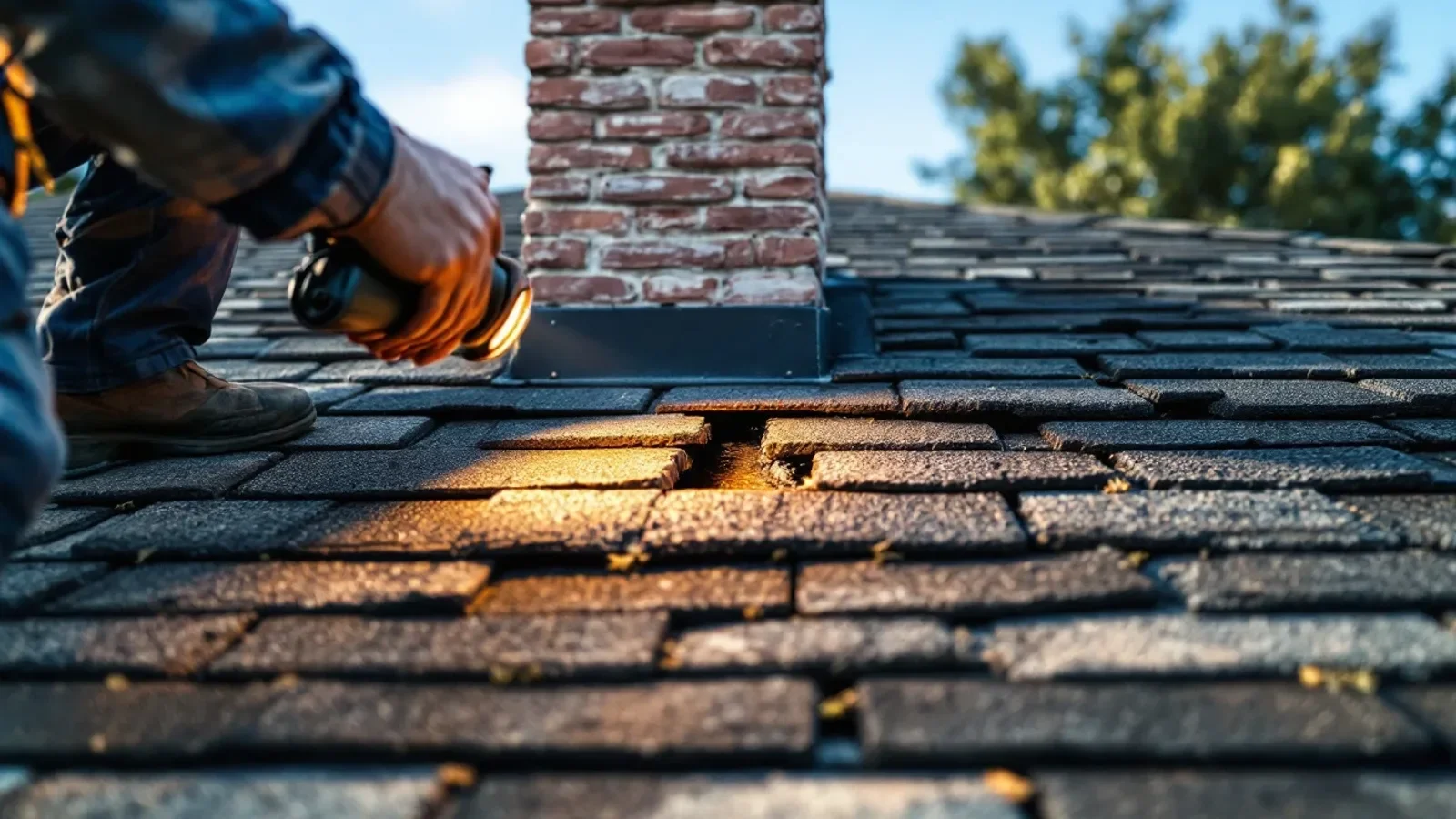
Finding an issue during a cleaning is not cause for alarm; it is exactly the reason annual service exists. Common findings in Milpitas homes include spalled clay tiles from thermal cycling, deteriorated mortar joints at the crown, and corroded damper hardware from moisture exposure.
When a problem is identified, the technician explains what was found, shows you photos or video if available, and outlines the options. Minor issues like a cracked crown can sometimes be addressed the same day. More involved repairs, such as liner work or firebox rebuilding, are scheduled as a separate appointment. The cleaning report serves as your documentation, which is useful for insurance purposes and for tracking the chimney’s condition over time.
If cost is a factor in your decision-making, this overview of chimney sweep cost drivers in Milpitas explains the variables that affect pricing without committing to numbers that do not reflect your specific situation.
After the Sweep: Keeping Your Fireplace Ready
A freshly cleaned chimney performs best when paired with a few consistent habits.
- Burn seasoned hardwood. Wood with lower moisture content burns hotter and produces less creosote per fire. Softwoods and wet wood are the primary contributors to rapid buildup.
- Keep fires burning at adequate temperature. Slow, smoldering fires in a partially closed damper generate far more creosote than a brisk, well-ventilated fire.
- Check the cap seasonally. A quick visual from the yard each fall and spring can catch a dislodged cap or animal obstruction before it becomes a bigger issue.
- Do not ignore odors. A strong smoky or musty smell from a cold fireplace is a signal worth investigating, not masking with air freshener.
Ready for the next step? Learn how milpitas chimney cleaning inspection schedule guide services in Concord can help and reach out to the team.
For a full post-service maintenance routine, our post-sweep fireplace care guide for Milpitas covers everything from ash management to off-season damper habits.
Frequently Asked Questions
How long does a chimney sweep appointment take in Milpitas?
Most standard cleaning appointments run between 45 minutes and 90 minutes. Chimneys with heavier creosote buildup, longer flue lengths, or additional components like a wood stove insert may take longer. If a video inspection is added to the service, budget an extra 20 to 30 minutes.
Will the sweep make a mess in my home?
A professional setup using drop cloths and a HEPA-filtered vacuum system keeps virtually all soot and debris contained within the firebox and vacuum. Some fine dust is possible in older homes with very loose damper seals, but technicians take care to minimize any impact on your living space and clean up before leaving.
Do I need to be home during the appointment?
Yes. An adult homeowner or authorized representative should be present for the full appointment. The technician needs access to both the interior fireplace and the exterior of the chimney, and you will want to be available for the condition report at the end of the visit.
Can I use my fireplace the same day as the cleaning?
In most cases, yes. Once the technician confirms the flue is clear and the damper is functioning properly, the fireplace is ready to use. If any repairs are identified, the technician will advise whether it is safe to operate the fireplace before those repairs are completed.
What is the difference between a Level 1 and Level 2 inspection?
A Level 1 inspection is a visual check of accessible components, typically included with a standard cleaning. A Level 2 inspection involves a video scan of the full flue interior and is recommended when a home changes ownership, after a chimney fire, or when a significant change in fuel type or appliance occurs. Requirements vary by situation, so ask the technician which level applies to your circumstances.
Is chimney cleaning required by local code in Milpitas?
Code requirements and insurance policy conditions vary, so it is worth checking your specific homeowner’s policy and consulting a licensed professional about local requirements. Many insurance carriers do require evidence of regular maintenance for fireplace-related claims. Annual service creates a clear maintenance record regardless of what your specific policy states.
Book Your Milpitas Chimney Sweep Today
A professional chimney cleaning is a straightforward appointment that takes less than two hours and leaves your fireplace ready for the season ahead. Now that you know exactly what happens from the first visual check to the final report, there is no reason to keep putting it off. Book your chimney sweep in Milpitas and get your fireplace inspected and cleaned by a team that knows Bay Area homes. Have questions before you schedule? Reach out through our contact page and we will walk you through what to expect for your specific setup.