
The Milpitas Guide to Chimney Sweep Schedules and Fireplace Cleaning Readiness
As the evening breeze cools down across the Santa Clara Valley, homeowners in Milpitas, California begin thinking about cozy nights by the hearth. While our Mediterranean climate keeps winters mild, a functional fireplace remains a highly valued source of comfort and ambiance. However, transitioning a hearth from months of summer dormancy to active winter use requires more than just piling up logs. Ensuring your venting system is clear, safe, and efficient demands a deliberate approach to maintenance, beginning with a professional chimney sweep.
The Myth of the “Self-Cleaning” Fireplace
Many homeowners believe that if they only burn wood occasionally during the coldest weeks of December and January, their venting system requires no attention. This assumption is not only incorrect, but it can also lead to hidden hazards inside your flue. Fireplaces and wood-burning stoves do not self-clean, and ignoring them can invite operational risks.
The Reality of Creosote Accumulation
Every time you burn wood, combustion byproducts rise through the flue. As these hot gases encounter the cooler masonry or metal chimney walls, they condense into a highly flammable substance called creosote. Creosote builds up in stages, starting as a flaky soot, transitioning into a sticky tar, and eventually hardening into a highly combustible glazed coating. This material can ignite even with minor heat exposure, making regular chimney cleaning essential for preventing chimney fires.
Debris and Animal Intrusions
During the spring and summer months, your chimney sits empty and quiet. This makes it an ideal nesting site for local birds, squirrels, and raccoons. Leaves, twigs, and nesting materials can completely block your flue liner, preventing smoke from escaping. When you light the first fire of the season, a blocked flue forces toxic carbon monoxide and smoke back into your living room.
Structural Shift and Seismic Settling
Milpitas sits near active fault zones, meaning minor earth movements occur frequently. Over time, these small tremors can cause subtle shifts in your masonry, leading to cracked flue tiles or mortar deterioration. A standard inspection performed during a seasonal sweep identifies these structural defects before they allow heat or gases to bypass the flue and reach combustible wall framing.
When to Schedule Your Milpitas Chimney Sweep
Timing is everything when it comes to home maintenance. Waiting until the first major cold snap to call for chimney services often means facing long wait times, as hundreds of local homeowners realize they need service at the exact same moment. Planning ahead ensures your system is ready precisely when you want to use it.
The Late Summer to Early Autumn Advantage
The ideal window for scheduling a sweep in Milpitas is between August and October. During this period, local service companies have open appointment slots, giving you greater flexibility to pick a day and time that fits your schedule. Additionally, if the technician discovers structural issues, you will have plenty of time to complete necessary repairs before winter arrives.
Post-Season Spring Cleaning
Another excellent option is cleaning the system immediately after the burning season ends, typically in March or April. Leaving acidic soot and creosote inside your fireplace all summer can damage the masonry and corrode metal components when mixed with summer humidity. Cleaning the flue in the spring removes these corrosive materials early, extending the lifespan of your hearth system.
The Fireplace Usage Checklist
How often should you hire a professional? The National Fire Protection Association (NFPA) recommends that chimneys, fireplaces, and vents be inspected at least once a year. If you use your wood-burning fireplace frequently, a professional sweep is generally required after burning approximately one cord of wood, or when soot accumulation reaches 1/8 of an inch on the flue walls.
Step-by-Step Fireplace Cleaning Readiness Checklist
Before the technician arrives at your home, there are several steps you can take to prepare your living space and ensure the cleaning process goes smoothly. Taking these simple steps protects your furniture and allows the technician to work efficiently.
- Clear the Hearth Area: Clear a six-foot perimeter around your fireplace. Remove any decorative items, firewood holders, rugs, and furniture to provide the technician with unhindered access and a safe working space.
- Cool the Firebox: Do not burn a fire for at least 24 to 48 hours before your scheduled appointment. The chimney structure and ash bed must be completely cool to ensure the technician can safely inspect and clean the interior.
- Secure Your Pets: The cleaning process involves moving equipment in and out of your home, and the front door may remain open periodically. Keep pets in a quiet, closed room to keep them safe and prevent them from escaping.
- Empty the Ash Pit: If your fireplace has an ash dump or a heavy layer of ashes in the firebox, you can scoop out the loose material. However, do not worry about deep scrubbing, as the technician will use specialized vacuum systems to clean all surfaces.
What to Expect During a Professional Chimney Sweep
Understanding the details of a professional cleaning helps you appreciate the thoroughness of the service. A certified technician does not simply run a brush up and down the flue; they perform a comprehensive assessment of the entire system.
The Visual and Physical Inspection
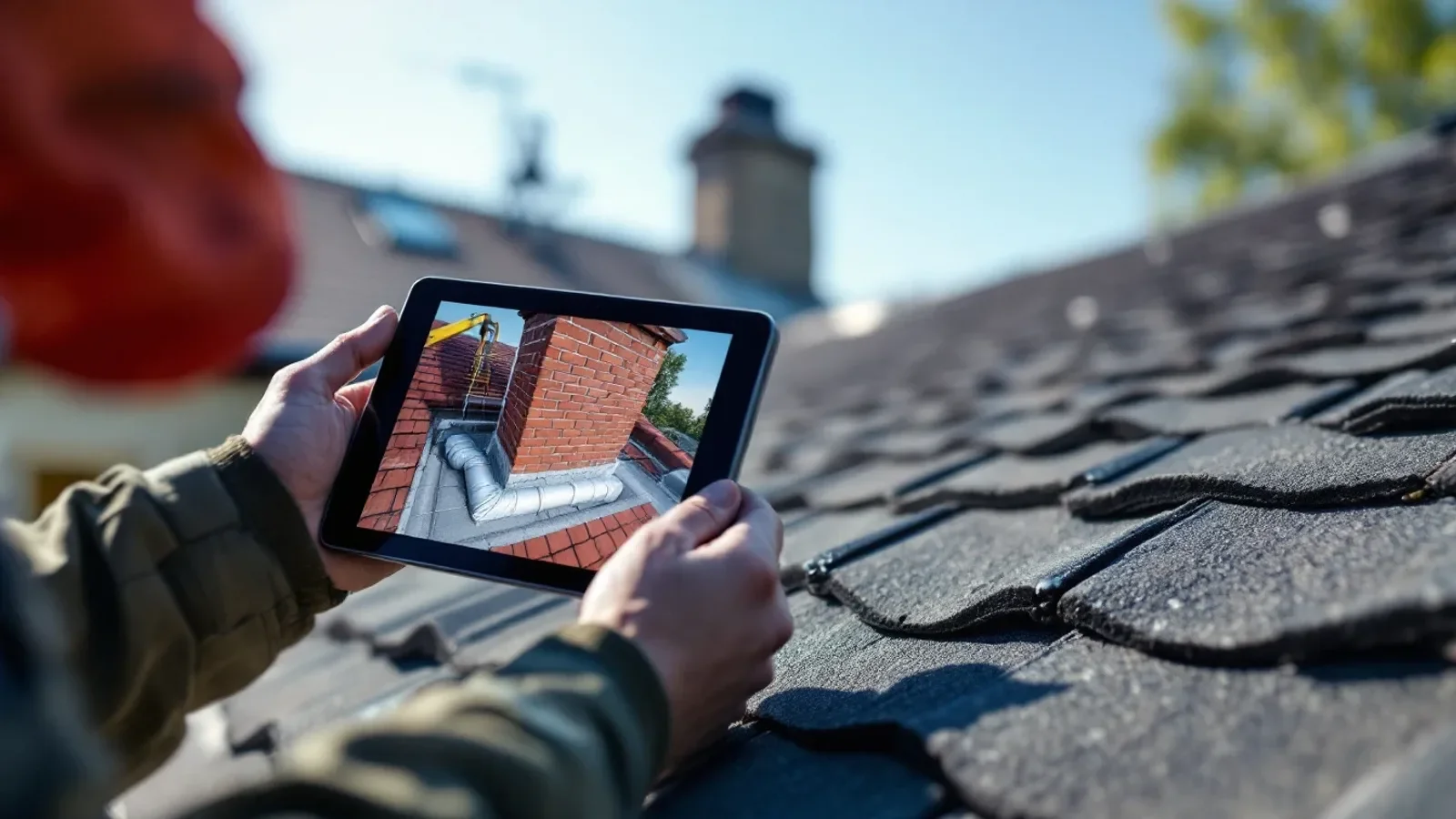
The process always begins with a detailed inspection. The technician checks the firebox for cracked bricks or crumbling mortar, examines the damper to ensure it opens and closes smoothly, and looks up the flue using high-powered lighting to assess soot buildup and liner condition. This diagnostic phase ensures it is safe to proceed with the mechanical sweeping.
The Sweeping Process and Dust Containment
To clean the flue, the technician uses specialized brushes attached to flexible rods, matching the shape and material of your flue liner. A powerful, HEPA-filtered vacuum runs continuously at the fireplace opening to capture airborne soot and dust, keeping your home clean throughout the process. The technician sweeps the flue walls, smoke shelf, and damper area to remove all loose debris and creosote.
If you suspect your system has suffered wear over the years, you may also need to budget for professional chimney repair to fix cracked dampers, damaged crowns, or deteriorating flue liners before lighting your next fire.
Post-Sweeping Report and Recommendations
Once the cleaning is complete, the technician provides a detailed report on the condition of your venting system. This report outlines any findings, such as cracks in the masonry, a deteriorating chimney crown, or issues with the chimney cap. They will discuss necessary repairs or maintenance steps needed to keep your fireplace operating safely.
Comparing Chimney Cleaning Methods
Different chimney designs and levels of creosote accumulation require specific cleaning techniques. The table below outlines the primary methods used by professionals to restore flues to a safe, clean state.
| Cleaning Method | Equipment Used | Best Suited For | Primary Advantage |
|---|---|---|---|
| Manual Wire Brushing | Stiff wire brushes, fiberglass rods, hand scrapers | Standard clay tile flues with light to moderate soot | Highly effective for removing dry, flaky creosote deposits. |
| Rotary Loop/Power Sweeping | Flexible plastic whips, high-speed drill, rod system | Prefabricated metal liners and stubborn creosote buildup | Cleans thoroughly without scratching delicate metal flue walls. |
| Chemical Creosote Removal | Industrial-grade chemical solvents or neutralizing powders | Glazed, stage-three creosote that cannot be brushed away | Breaks down hard, shiny glaze so it can be safely swept out. |
The Importance of the Chimney Cap and Crown
While the interior of the flue is the focus of a chimney sweep, the components at the top of your chimney are just as critical. The chimney crown and cap serve as your system’s roof, protecting the interior from the elements.
The Chimney Crown’s Role
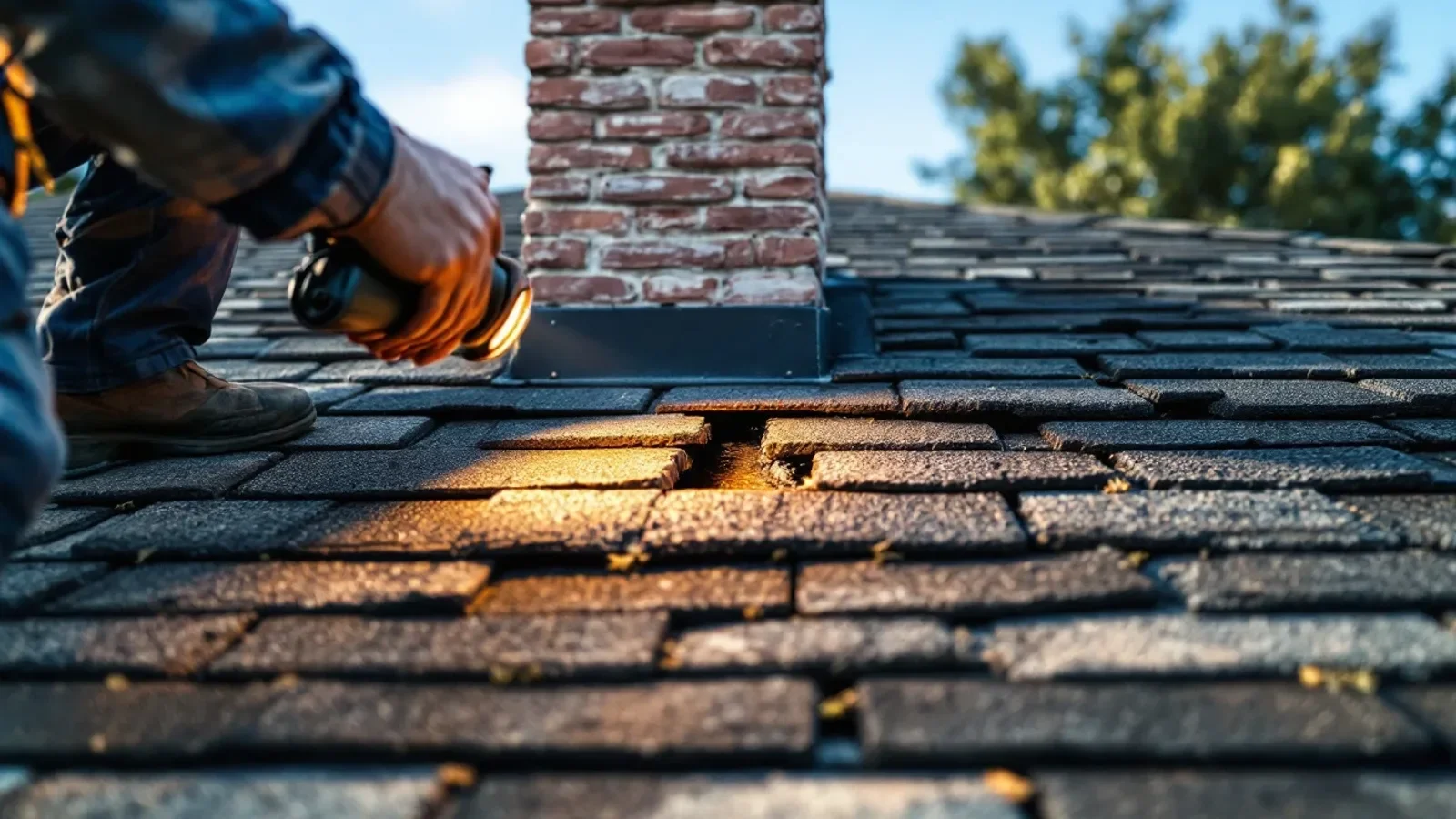
The chimney crown is the concrete slab that seals the top of the masonry structure around the flue liner. It is designed with a slope to shed rainwater away from the chimney sides. Over time, exposure to sun and rain can cause the crown to crack. If water penetrates these cracks, winter freeze-thaw cycles will expand the gaps, leading to severe masonry damage.
The Chimney Cap’s Defense
A high-quality metal chimney cap is your fireplace’s primary defense against water, animals, and debris. It features a solid metal top to block rain and mesh sides to allow smoke to escape while keeping birds and squirrels out. Most caps also include a spark arrestor, which prevents hot embers from escaping and landing on your roof or nearby dry foliage in Milpitas.
Addressing Water Damage Early
Water is the single greatest enemy of a brick chimney. When rainwater enters an unprotected chimney, it saturates the porous bricks and mortar. This moisture can rust dampers, rot wood framing adjacent to the chimney, and cause the masonry to spall, which is when the brick faces flake and crumble away. Regular inspections help catch these issues before they turn into costly rebuilding projects.
Local Regulations and Fire Safe Burning in Milpitas
Living in the Bay Area means we must be mindful of air quality and local environmental guidelines. The Bay Area Air Quality Management District (BAAQMD) regulates wood burning through the Spare the Air program. Before lighting a fire in your Milpitas home during the winter, always check if a Spare the Air Alert is in effect. Burning wood on these designated days is illegal and subject to fines, as it contributes to unhealthy particulate matter in the air. Ensuring your fireplace is clean and burning dry, seasoned firewood helps minimize smoke and emissions on allowed burning days.
Frequently Asked Questions About Chimney Sweeping
How do I know if my chimney needs to be swept?
Common signs include a strong, campfire-like odor coming from the hearth when it is not in use, visible soot or black buildup inside the firebox, difficulty drawing smoke up the chimney, or a damper that is greasy or hard to operate. If you experience any of these signs, it is time to call a professional chimney sweep.
Can I clean my chimney myself?
While DIY kits are available, chimney cleaning requires specialized tools, high-powered containment vacuums, and professional training. Homeowners often struggle to contain the fine soot, which can ruin carpets and furniture. More importantly, DIY cleanings do not include the professional inspection necessary to identify structural defects, cracked liners, or hidden fire hazards.
How long does a professional chimney sweeping take?
A standard chimney sweep and inspection typically takes between 45 to 90 minutes. If the technician encounters severe creosote buildup, animal nests, or complex accessibility issues on the roof, the appointment may take longer. The technician will keep you informed of any unexpected delays.
What is the difference between a chimney sweep and a chimney inspection?
A chimney sweep refers specifically to the mechanical removal of soot and creosote from the flue. A chimney inspection is a formal evaluation of the venting system’s structural integrity and safety. Professional cleanings always include a basic visual inspection to ensure the system is safe to clean and operate.
Prepare Your Hearth for the Cooler Months
Regular fireplace maintenance is essential for protecting your property and ensuring safe, comfortable winter nights. By scheduling your annual maintenance early in the autumn, you can beat the winter rush and rest easy knowing your hearth is ready for the season. If you want to keep your Milpitas home safe and warm, contact Nation Wide Chimney Sweep & Repair Concord to schedule your seasonal maintenance today. Reach out now to schedule your fireplace inspection and sweep with our team of skilled professionals.