Evaluating Chimney Sweep Cost Factors and Service Scope in Milpitas
As the cooler evenings roll into the Santa Clara Valley, light up your fireplace with peace of mind. Keeping your hearth safe and efficient requires regular maintenance, but many homeowners struggle to understand what goes into professional service pricing. If you are searching for a reliable chimney sweep in Milpitas, understanding the technical variables that drive service scope can help you make an informed decision for your home safety budget.
The Myth of the Flat-Rate Chimney Sweep
Many homeowners assume that sweeping a flue is a uniform task with a single, unvarying price tag. In reality, chimney systems are highly complex venting structures, and no two fireplaces share the exact same usage history or structural condition. Treating every flue with a one-size-fits-all approach can leave hidden hazards unaddressed.
Why Standardization Doesn\’t Work for Venting Systems
A masonry fireplace built in the mid-twentieth century near Calaveras Boulevard has vastly different technical needs than a modern pre-fabricated metal flue in a newer home near the Great Mall. The materials, joint connections, and clearance to combustible framing vary significantly between these systems. A professional must adapt their tools, safety gear, and time investment to match the specific engineering of your venting system.
The Risk of Cheap, Unregulated Services
Low-cost offers that sound too good to be true often skip crucial safety checks. These rushed sweeps frequently overlook internal cracks in the flue liner or failing masonry joints that could allow heat or carbon monoxide to escape into your home\’s wall cavities. Investing in a thorough, professional evaluation ensures that structural issues are identified before they become costly safety hazards.
How Custom Scopes Protect Your Property Value
Milpitas properties represent significant investments. Customized maintenance plans focus on preserving the specific materials of your home, whether that means applying water repellents to vulnerable exterior brickwork or carefully scraping stubborn glazed deposits from a delicate clay tile liner. Tailored care ensures you only pay for the work your home actually needs.
Key Chimney Cleaning Cost Factors Explained
When professional technicians evaluate your fireplace, they look at several physical and environmental variables. These factors dictate the level of labor, specialized equipment, and safety precautions required to complete the job safely.
| Cost Factor | Low Impact on Budget | High Impact on Budget |
|---|---|---|
| Creosote Level | Stage 1 (Light, soot-like dust) | Stage 3 (Hard, glazed, tar-like buildup) |
| System Accessibility | Single-story home, flat roof, easy access | Multi-story home, steep roof pitch, limited indoor space |
| Flue Configuration | Straight vertical run, single appliance | Multiple offsets, elbows, or shared venting pathways |
| Structural Integrity | Sound masonry, intact liner, functional damper | Spalling bricks, cracked flue tiles, rusted damper assemblies |
The Severity of Creosote Buildup
Creosote is the highly flammable byproduct of wood combustion that condenses on your flue walls. It progresses through three distinct stages. Stage one is a dry, dusty soot that brushes away easily. Stage two forms crunchy, black flakes that require stiff wire brushes. Stage three is a dense, highly concentrated tar-like glaze that hardens against the flue tile. Removing stage three creosote requires specialized chemical treatments or rotary looping tools, which increases the labor time and technical skill required for a thorough chimney cleaning.
Roof Accessibility and Chimney Height
Safety is the primary concern during any rooftop service. A single-story ranch home with a shallow roof pitch allows for quick setup and straightforward access. Conversely, a multi-story home with a steep roof, delicate Spanish tiles, or restricted yard space requires specialized scaffolding, safety harnesses, and additional crew members to secure the work area. The physical height and complexity of the roofline directly affect the duration of the setup and execution phases.
Number of Flues and Hearth Appliance Type
A home with a single open masonry fireplace presents a different workload than a home with multiple active flues, such as a wood-burning insert downstairs and a gas fireplace upstairs. Wood stoves and inserts often must be uninstalled and pulled out from the wall to access the flue connection, which adds physical labor and time to the standard sweeping process.
Understanding Fireplace Cleaning Requirements and Safety Standards
Industry standards provide a framework for professional chimney sweeps to evaluate your venting systems. In the United States, the National Fire Protection Association (NFPA) sets the benchmark for fireplace safety under standard NFPA 211. This standard outlines the three levels of inspections required to verify that your system is safe for operation.
Level 1 Inspection: The Standard Annual Check
If you use your fireplace regularly but have not changed your appliance type or experienced any performance issues, a Level 1 inspection is typically performed alongside your regular sweep. The technician examines the readily accessible portions of the chimney interior and exterior, confirming the basic structural integrity of the flue and connection points.
Level 2 Inspection: Real Estate Transactions and System Changes
A Level 2 inspection is mandatory during property transfers, after a chimney fire, or when making changes to your heating system (such as converting from wood to gas). This level involves a detailed visual examination using a specialized chimney camera lowered down the flue. The camera allows technicians to inspect every joint, liner tile, and internal connection that is invisible from the hearth or roofline. If you are buying a home in Milpitas, scheduling a detailed chimney inspection can save you from unexpected repair bills after closing.
Level 3 Inspection: Investigating Hidden Damage
When a Level 1 or Level 2 inspection reveals serious, hidden structural hazards, a Level 3 inspection may be necessary. This process involves removing portions of the chimney structure, wall drywall, or exterior siding to examine concealed areas. This is a rare, invasive procedure reserved for cases where severe structural compromise or seismic movement is suspected.
How Local Milpitas Factors Influence Maintenance Needs
Venting systems in Milpitas are exposed to unique geographic and environmental factors that homeowners in other regions might not have to consider. From seismic activity to local air quality regulations, regional context plays a major role in your maintenance schedule.
Seismic Activity and Structural Shifting
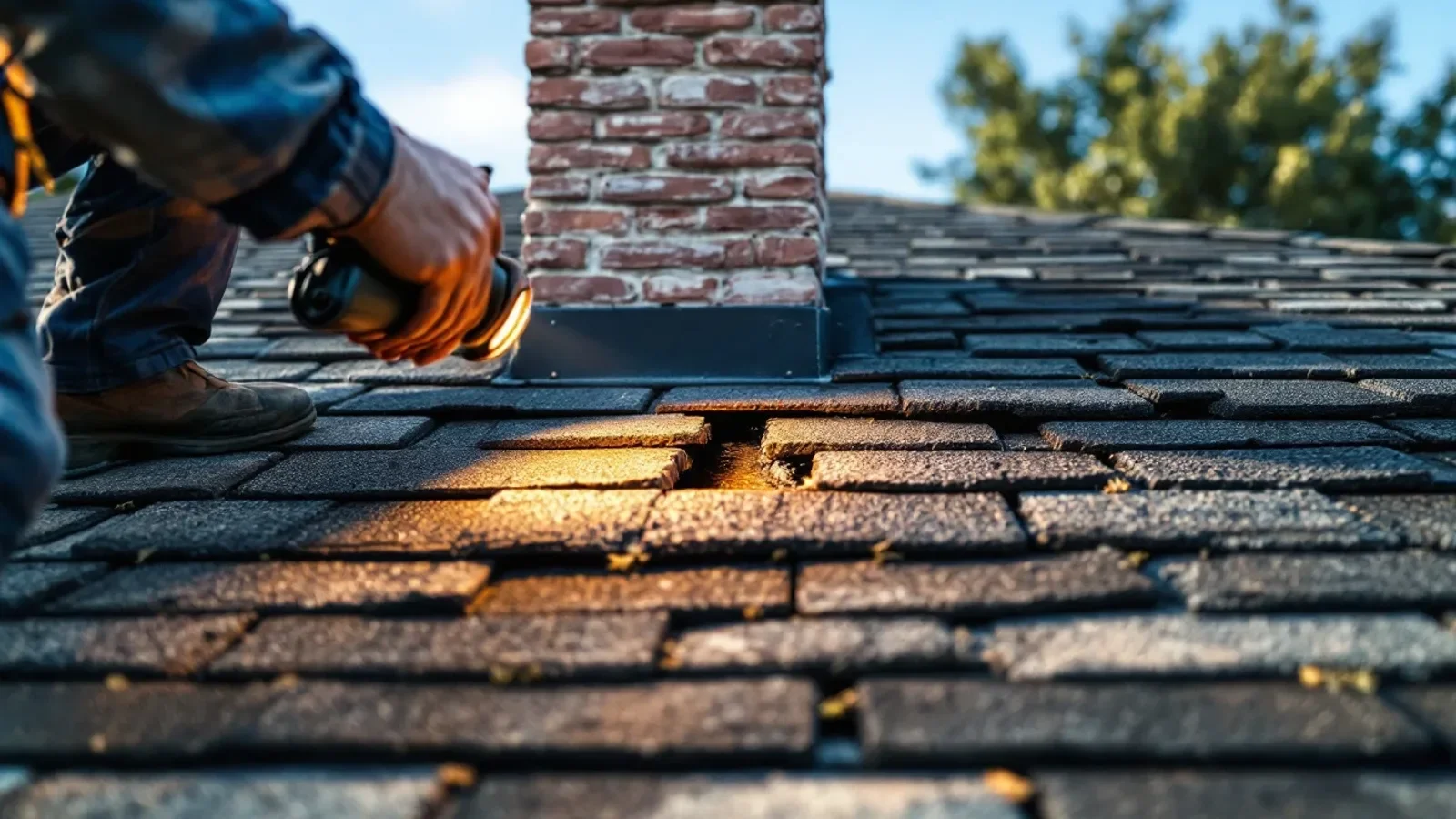
Milpitas sits in a seismically active region near the Hayward and Calaveras fault lines. Even minor, unfelt earth movements can cause subtle settling in masonry structures. Over time, this shifting can cause mortar joints inside your chimney to crack, crumble, or separate, creating pathways for dangerous flue gases to seep into your attic or wall spaces. Regular inspections help identify these microscopic shifts before they turn into major structural failures.
Bay Area Air Quality Management District (BAAQMD) Regulations
The Bay Area Air Quality Management District enforces Winter Spare the Air Alerts to manage particulate pollution. Milpitas homeowners must stay informed about these burn bans. Keeping your fireplace operating at peak thermal efficiency helps minimize particulate emissions during allowed burning days. Clean, well-swept chimneys draw air more efficiently, resulting in cleaner burns and less smoke output into the local atmosphere.
Microclimate Dampness and Masonry Spalling
The marine air and seasonal moisture patterns in the South Bay can lead to moisture absorption in porous chimney bricks. When water penetrates these materials, it can cause spalling, a process where the brick faces peel, crack, or pop off. Ensuring your chimney cap is intact and sealing the exterior masonry helps prevent moisture from degrading your venting structure.
What to Expect During a Professional Chimney Sweep Service
Knowing what happens during a professional chimney sweep service can help you prepare your home and feel confident in the process. A reputable technician will treat your home with the utmost care, ensuring no soot or dust escapes into your living space.
Step 1: Preparation and Dust Containment
Before any tools are unpacked, the technician will lay down heavy-duty drop cloths in front of your fireplace. They will seal off the hearth opening with plastic sheeting and set up a specialized high-efficiency particulate air (HEPA) vacuum system. This vacuum runs continuously during the cleaning process, creating negative air pressure to ensure that fine soot and ash particles are pulled out of your home rather than escaping into your living room.
Step 2: Technical Sweeping and Creosote Removal
Working from either the rooftop or the hearth, the technician will use flexible rods and specialized brushes matching the shape and material of your flue liner. They will systematically scrape the entire length of the venting pathway, breaking loose creosote, soot, and ash. They also clean the smoke shelf, damper plate, and firebox walls, collecting all fallen debris directly into the containment system.
Step 3: Post-Cleaning Inspection and Documentation
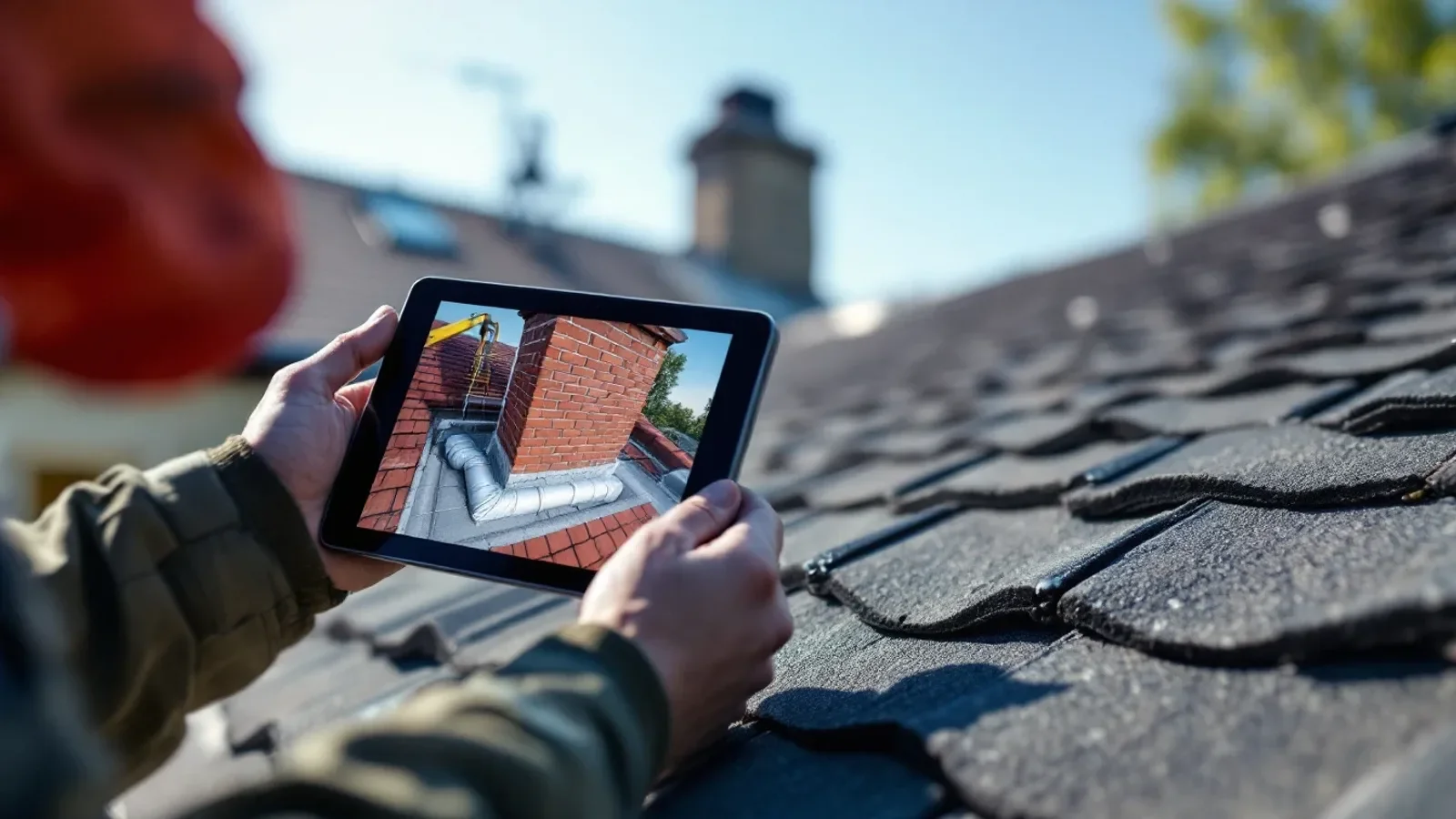
Once the physical sweeping is complete, the technician will perform a final visual check. If a camera inspection was ordered, they will run a video probe through the flue to document the condition of the liner. You should receive a written report outlining the current condition of your fireplace, any identified code compliance issues, and recommendations for future maintenance or chimney repair to keep your system safe.
FAQs About Chimney Sweeping in Milpitas
How often should I have my chimney swept in Milpitas?
Industry standards recommend having your fireplace inspected annually, regardless of how often you use it. Even if you rarely burn wood, nesting animals, leaves, and moisture can block your flue over the course of a year. If you burn wood regularly, a sweep should be performed once you accumulate an eighth of an inch of creosote buildup inside the flue.
What is the difference between a chimney sweep and an inspection?
A chimney sweep refers to the physical cleaning process of removing soot, ash, and creosote from the flue and firebox. An inspection is a detailed diagnostic evaluation of the entire system\’s structural integrity and safety compliance. A professional service should always include a basic visual check as part of the cleaning process.
Can I clean my chimney myself to save money?
While DIY brush kits are available, sweeping your own venting system is highly discouraged. Homeowners typically lack the specialized heavy-duty vacuum systems needed to prevent dangerous soot and ash from settling on furniture and carpets. Furthermore, a DIY sweep cannot replicate the trained eye of a professional inspector who knows how to spot hairline structural cracks, failing flue joints, and hidden water damage.
Why does my fireplace smell bad during the warm summer months?
Summer odors are usually caused by creosote deposits inside the chimney reacting to high outdoor humidity and warm temperatures. As warm air flows down the flue, it carries the smoky, tar-like smell of creosote into your air-conditioned living spaces. Having your system cleaned in the spring can help eliminate these sour summer odors before they start.
Protect Your Hearth and Home
Maintaining your fireplace is an essential part of responsible home ownership, ensuring cozy winter nights free from safety worries. To keep your venting system in peak condition, please schedule your chimney sweep today with the trusted local experts at Nation Wide Chimney Sweep & Repair Concord in Milpitas.