Gas vs. Wood Fireplace Chimney Cleaning: A Milpitas Homeowner’s Complete Guide
Most Milpitas homeowners assume chimneys are chimneys. They burn fuel, smoke goes up, done. The reality is that a gas fireplace and a wood-burning fireplace create completely different byproducts, deposit different materials inside your flue, and require different maintenance schedules. Getting those details wrong can mean a dirty, inefficient fire at best, or a dangerous situation at worst. This guide breaks down exactly what each system needs and why.
Why Your Fuel Type Changes Everything About Chimney Maintenance
What Wood Combustion Leaves Behind
Every wood fire produces smoke, and smoke carries unburned carbon particles, water vapor, and volatile gases. As that mixture cools inside the flue, it condenses on the liner walls and forms creosote. Creosote moves through three stages: a light, flaky Stage 1 deposit that brushes off easily; a tarry, sticky Stage 2 buildup that requires more aggressive tools; and a hardened, glazed Stage 3 crust that can be extremely difficult to remove without specialized chemical treatments.
The specific wood you burn in Milpitas matters. Bay Area winters are mild, which means many residents burn fires infrequently or use unseasoned wood picked up opportunistically. Short, smoldering fires with wet wood produce far more creosote per hour than hot, sustained burns with properly seasoned hardwood. A chimney that sees two or three fires a week during the rainy season can accumulate a surprising amount of Stage 2 deposits by spring.
What Gas Combustion Leaves Behind
Natural gas burns cleaner than wood. The primary byproducts are water vapor and carbon dioxide, with small amounts of carbon monoxide if combustion is incomplete. There is no creosote. However, that does not mean gas flues stay pristine on their own. Moisture from combustion can combine with sulfur compounds in the gas to form mild acids that slowly degrade mortar and metal flue components. Debris, bird nests, and cobwebs can accumulate in a gas flue that sits unused for months. And if the burner ever runs rich or the appliance malfunctions, soot can build up faster than most homeowners expect.
The Venting System Difference
Wood fireplaces typically vent through a traditional masonry chimney with a clay tile or stainless steel liner. Gas appliances vary widely: some vent through the same masonry chimney, others use a dedicated metal B-vent or a direct-vent system with concentric pipes running through an exterior wall. Each configuration has its own inspection and cleaning protocol. A sweep who only checks the firebox and ignores the vent termination cap on a direct-vent unit is missing a common failure point.
Recommended Cleaning Frequency: A Side-by-Side Comparison
The table below summarizes the general guidance from the Chimney Safety Institute of America (CSIA) and the National Fire Protection Association (NFPA 211) alongside practical notes for the Milpitas climate.
| Factor | Wood-Burning Fireplace | Gas Fireplace |
|---|---|---|
| Minimum cleaning frequency | At least once per year, or when any measurable creosote is present | At least once per year (inspection); cleaning as needed |
| Primary deposit concern | Creosote (Stages 1, 2, or 3) | Moisture damage, debris, soot from incomplete combustion |
| Inspection level (NFPA 211) | Level 1 annually; Level 2 after any significant event | Level 1 annually; Level 2 if appliance is replaced or venting is altered |
| Milpitas-specific note | Infrequent use + mild winters can still produce Stage 2 deposits | Long idle periods attract nesting animals and debris at the cap |
| DIY cleaning feasibility | Light Stage 1 brushing possible; Stage 2+ requires a professional | Homeowner can clear visible debris at cap; internal cleaning requires a pro |
| Liner material check | Critical, clay tile cracks from thermal cycling | Important, metal liners can corrode from acidic condensate |
The Annual Inspection: What a Sweep Actually Checks
For Wood-Burning Systems
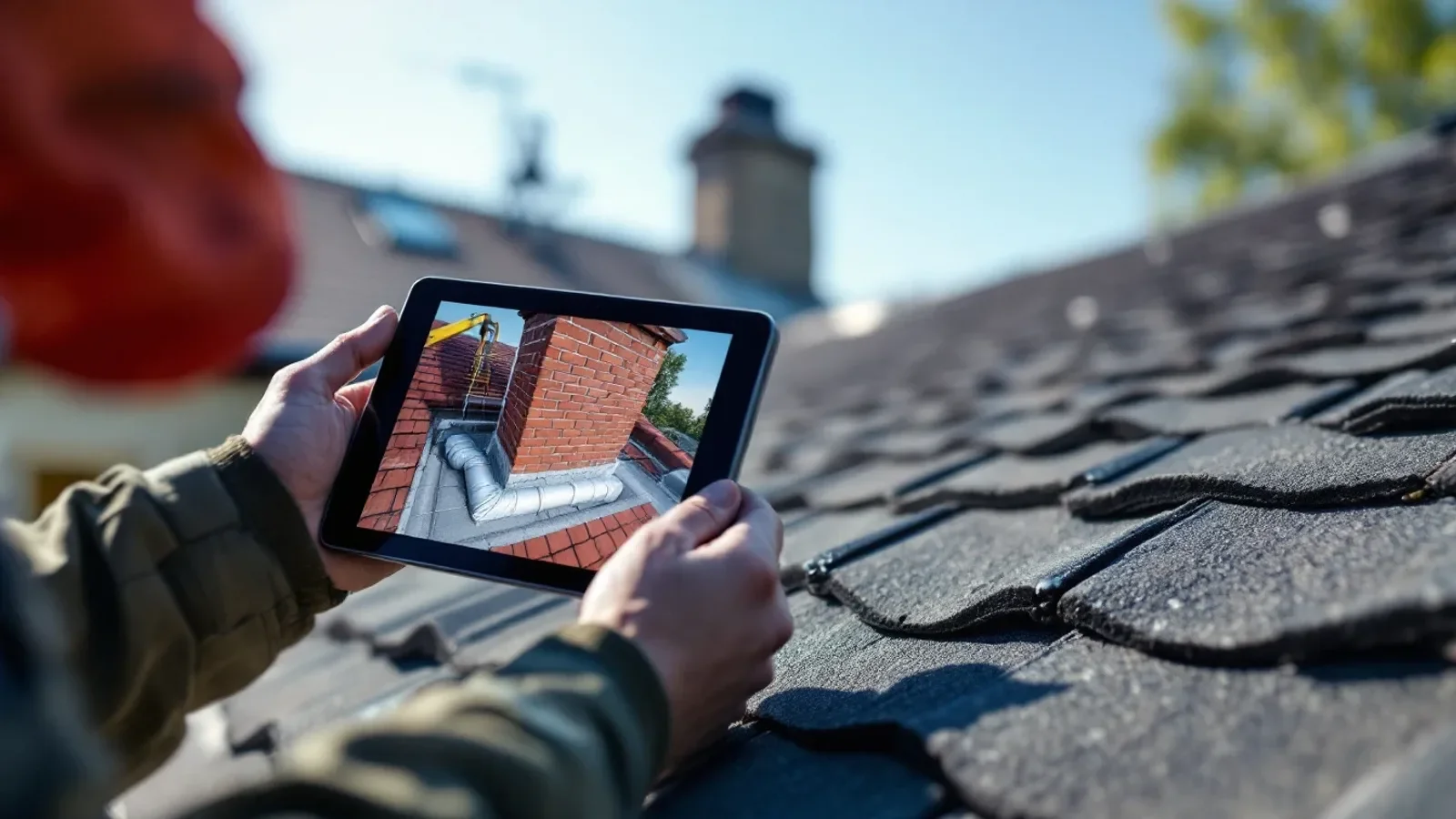
A thorough annual sweep of a wood-burning system starts at the firebox. The technician checks the firebox walls and floor for cracked refractory panels, inspects the damper for smooth operation and a proper seal, and looks at the smoke shelf for debris accumulation. Moving up the flue, the sweep brushes the liner from the top down, collecting debris into the firebox for removal. A CSIA-certified chimney sweep will also use a flashlight or camera to document the liner condition, noting any cracks, spalling clay tile, or gaps in the mortar joints between sections.
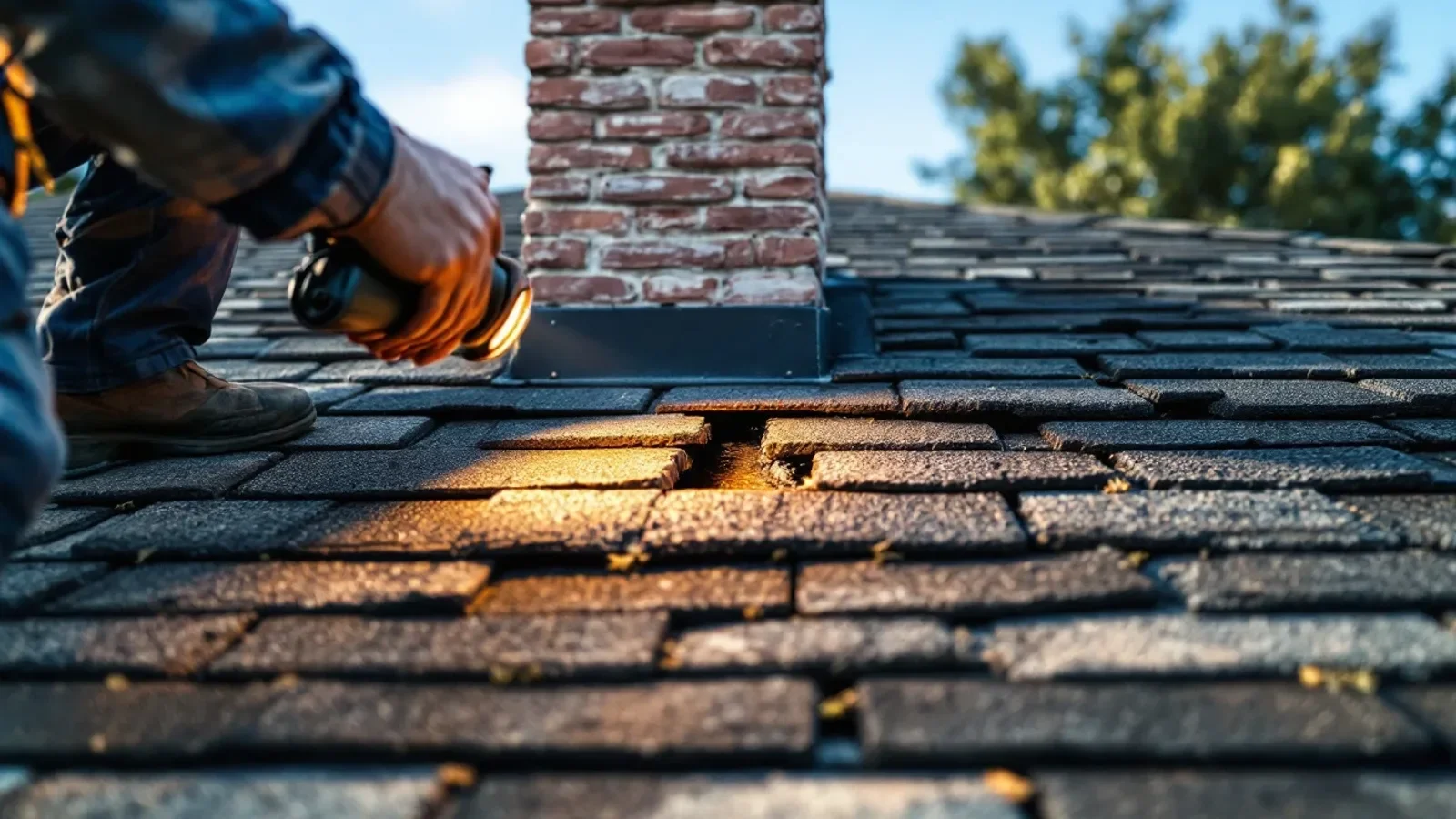
The exterior inspection covers the crown (the concrete or mortar cap that sheds water away from the flue opening), the flashing where the chimney meets the roof, and the chimney cap screen. In Milpitas, where winter rain rather than snow is the primary moisture threat, a deteriorating crown or missing cap can funnel water directly into the flue, accelerating liner damage between cleaning appointments.
For Gas Venting Systems
Gas appliance inspections follow a different checklist. The technician verifies that the vent connector (the pipe between the appliance and the chimney or dedicated vent) is properly sloped, secured, and free of corrosion. For appliances that share a masonry chimney, the sweep confirms the liner is correctly sized for the BTU output of the appliance, since an oversized flue can cause condensate problems with gas units. The termination cap at the top gets checked for blockage, corrosion, and proper clearance from the roofline or building openings per manufacturer specifications.
If the gas logs or insert have a pilot light or electronic ignition, the technician will visually inspect the burner and log set for soot accumulation, which signals incomplete combustion and warrants a call to a gas appliance technician. Nation Wide Chimney Sweep and Repair serves Milpitas homeowners with this full-system approach, not just a quick brush of the visible flue.
When to Schedule Beyond the Annual Visit
Certain events should prompt a call regardless of when the last service occurred. For wood-burning systems, a chimney fire (even a small one you may not have noticed, identified by a loud roaring sound or strong smell), a change in draw behavior, or visible smoke backing into the room all warrant immediate inspection. For gas systems, a sudden increase in soot on the glass, a pilot that keeps going out, or any carbon monoxide detector alarm near the fireplace should send you to the phone before you light another fire.
Creosote Is the Real Risk in Wood-Burning Chimneys
How Quickly It Accumulates
Creosote accumulation rate depends on three variables: flue temperature, wood moisture content, and fire duration. A short morning fire with wood that was not fully seasoned (below roughly 20% moisture content) produces more creosote per log than a long, hot evening fire with well-seasoned oak or almond wood. Milpitas residents who use their fireplace primarily as ambiance, running it for an hour or two at low output, are in the higher-risk category for rapid buildup, not because they burn more, but because the flue never gets hot enough to reduce condensation on the liner walls.
Recognizing Stage 2 and Stage 3 Buildup
If you shine a flashlight up your flue and see a shiny, tar-like coating rather than a matte gray or black powder, you are looking at Stage 2 creosote. Stage 3 appears as a hard, glazed crust, sometimes with a reddish or dark brown color. Both require professional chimney cleaning rather than a standard wire brush. Stage 3 in particular often requires chemical treatments applied between visits to convert the glaze into a more removable form before the physical sweep. Attempting to remove heavy creosote without the right equipment can damage a clay tile liner or push debris into the smoke chamber.
Reducing Buildup Between Professional Visits
There are a few habits that genuinely help. Burn only fully seasoned hardwood, which in the Bay Area means wood that has been split and stacked for at least six months in a dry location. Build hot fires rather than smoldering ones, especially at the start and end of each burning session. A hot 20-minute burn at the end of the evening helps clear the flue of residual smoke before the fire dies down. Avoid burning cardboard, treated wood, or garbage, which introduce additional compounds that accelerate deposit formation.
Gas Fireplaces Are Not Maintenance-Free (A Common Milpitas Misconception)
If you want it handled correctly the first time, consider professional chimney sweep inspection differences milpitas in Concord.
The Condensate Problem
Gas combustion produces water vapor, and when that vapor cools inside a flue that is oversized or poorly insulated, it condenses on the liner walls. Over years, this moisture, combined with trace sulfur compounds in natural gas, can corrode metal flue components and degrade mortar joints in masonry systems. Homeowners in Milpitas who converted a wood-burning fireplace to a gas insert without relining the flue with an appropriately sized stainless steel liner are particularly vulnerable to this issue. The original masonry liner designed for wood may be too large for the gas appliance’s exhaust volume, leading to chronic condensation.
Animal and Debris Intrusion
A gas fireplace that sits unused from April through October is an attractive nesting site for birds, squirrels, and wasps. A damaged or missing chimney cap is the most common entry point. When the homeowner lights the first fire of the season without an inspection, nesting material in the flue can restrict draft, force combustion gases back into the living space, or ignite. This is one of the most preventable scenarios in chimney services, and it costs far less to address during a scheduled inspection than after an incident.
Checking the Log Set and Burner
Ceramic gas logs and the burner beneath them collect dust and pet hair over time. While this is primarily an aesthetic issue, heavy accumulation around the burner ports can affect flame pattern and combustion efficiency. A gentle vacuuming of the log set (with the gas fully off and the appliance cool) is a safe homeowner task. Any adjustment to the gas valve, burner alignment, or pilot assembly should be left to a licensed professional.
Choosing the Right Milpitas Chimney Sweep for Your System
Certifications to Look For
CSIA certification is the industry benchmark for chimney sweeps. A CSIA-certified sweep has passed a written exam covering chimney systems, venting, and safety standards, and is required to complete continuing education to maintain the credential. For gas appliance venting specifically, look for a sweep who is also familiar with the relevant sections of NFPA 211 and the appliance manufacturer’s installation requirements, since gas venting standards differ meaningfully from wood-burning chimney standards.
What a Professional Inspection Report Should Include
After any chimney service, you should receive a written report that identifies the system type, the condition of each major component (firebox, damper, liner, crown, cap, and flashing), any deficiencies found, and recommended next steps. Video inspection footage, when used, should be available for your review. A verbal summary at the door is not a substitute for documentation, particularly if you are buying or selling a home in Milpitas where a Level 2 inspection is standard practice during real estate transactions.
Scheduling Around the Milpitas Season
The practical burning season in Milpitas runs from roughly November through February. Scheduling a chimney sweep in September or October puts you ahead of the seasonal rush and gives time to address any repairs before the first cold night. If you missed the fall window, a post-season cleaning in March or April prevents creosote and moisture from sitting in the flue all summer, which can accelerate corrosion and make next year’s cleaning more involved. Nation Wide Chimney Sweep and Repair serves the Milpitas area year-round, so off-season appointments are available and often easier to schedule.
Quick Maintenance Checklist for Milpitas Homeowners
- Wood-burning fireplace: Schedule professional chimney cleaning at least once per year, before the burning season begins.
- Gas fireplace: Schedule an annual inspection even if you rarely use the appliance; check the termination cap for debris each fall.
- Both system types: Confirm the chimney cap is intact and the screen is undamaged after every winter storm season.
- Wood burners: Use only seasoned hardwood. Check moisture content with an inexpensive wood moisture meter if unsure.
- Gas users: Vacuum the log set at the start of each season with the gas off and the unit fully cool.
- Both system types: Test your carbon monoxide detectors monthly and replace batteries annually.
- Both system types: Call a sweep immediately if you notice smoke backing into the room, unusual odors, or any change in how the fire draws.
Frequently Asked Questions
How often does a gas fireplace chimney need to be cleaned in Milpitas?
A gas fireplace flue should be inspected at least once a year. Cleaning frequency depends on what the inspection finds. Debris, nesting material, or soot from incomplete combustion all require cleaning. Many gas flues need a physical cleaning every two to three years, but annual inspection is the only way to know for certain.
Can I use the same chimney sweep for both my wood and gas fireplaces?
Yes, provided the sweep is trained and certified on both system types. Wood-burning and gas venting systems have different inspection criteria, so confirm your sweep is familiar with gas appliance venting standards, not just traditional masonry chimney work.
What is creosote, and is it dangerous?
Creosote is a byproduct of wood combustion that condenses inside the flue as smoke cools. It is flammable, and heavy accumulation is the leading cause of chimney fires. Stages 2 and 3 creosote require professional removal. Stage 1 buildup is less urgent but should still be addressed at the annual cleaning.
Do Milpitas homeowners need a permit for chimney cleaning or inspection?
Routine cleaning and inspection typically do not require a permit. However, liner replacement, structural chimney repairs, or changes to a gas appliance’s venting configuration may require permits depending on local building codes. Requirements vary, so check with the City of Milpitas Building Department or ask your chimney professional before starting any repair work.
Is a Level 2 chimney inspection required when buying a home in Milpitas?
NFPA 211 recommends a Level 2 inspection whenever a property changes ownership. It is not always legally required, but it is widely considered standard practice and is often requested by buyers, real estate agents, or home inspectors. A Level 2 inspection includes video scanning of the flue interior, which a standard Level 1 does not.
How do I know if my chimney had a fire I did not notice?
Signs of a chimney fire include a loud popping or roaring sound during a fire, a strong acrid smell, discolored or warped metal components, cracked clay tile fragments in the firebox, and a puffy or honeycomb-textured appearance on creosote deposits. If you suspect a chimney fire occurred, stop using the fireplace and call a certified sweep for a full inspection before burning again.
Conclusion
Whether you have a wood-burning fireplace, a gas insert, or both, the maintenance requirements are specific to the system, and skipping annual service creates real risks. Milpitas homeowners get the most value from their fireplaces, and the most peace of mind, when they treat chimney care as a scheduled part of home ownership rather than a reactive expense. To get your system inspected and cleaned by a certified professional who knows both gas and wood-burning systems, schedule your chimney cleaning with Nation Wide Chimney Sweep and Repair today.