
Chimney Sweep Needs for Milpitas Homes with Wood-Burning Stoves
Wood-burning stove inserts are a different animal from open masonry fireplaces, and Milpitas homeowners who own one often wonder whether the same chimney sweep rules apply. They do, mostly, but with some important distinctions. This guide walks you through what the cleaning process actually covers for stove setups, how to read the warning signs that service is overdue, and what to expect when a certified technician shows up at your door.
Why Wood Stove Inserts Create Unique Chimney Cleaning Challenges
The Insert-Flue Connection Problem
A traditional open fireplace vents combustion gases through a wide masonry flue that a technician can inspect from above with a brush and a camera. A wood stove insert changes that geometry significantly. The stove sits inside the firebox opening and connects to the flue via a metal liner, usually a flexible stainless steel or rigid stainless pipe that runs the full height of the chimney. That liner is narrower, it bends, and it traps creosote differently than bare masonry.
Because the liner is enclosed, a standard sweep brush sized for the masonry flue won’t necessarily fit the liner correctly. Technicians need to match the brush diameter to the liner’s interior diameter, typically measured in inches, and work from both the top of the chimney and sometimes from the stove connection point at the bottom. Getting this wrong leaves creosote deposits behind, which defeats the purpose of the service entirely.
Creosote Behavior in a Liner vs. Open Masonry
Creosote forms whenever wood combustion gases cool before fully exiting the flue. Stove inserts, because they run at higher sustained temperatures than an open fireplace, can actually produce less creosote per burn when operated correctly. The catch is that many homeowners run their stoves at low smolder settings to extend a load of wood overnight. That slow, cool burn is exactly the condition that accelerates creosote accumulation inside the liner.
The substance progresses through three stages. Stage one is a light, flaky deposit that brushes away easily. Stage two is a darker, tarry coating that requires more aggressive tools. Stage three, sometimes called glazed creosote, is a hard, shiny layer that bonds to the liner wall and requires chemical treatment or specialized rotary tools before mechanical cleaning can proceed. Milpitas homeowners who burn frequently through the cooler months, particularly from late October through March when Bay Area nights drop, can move through those stages faster than they expect if annual cleaning is skipped.
The Role of the Connector Pipe
Beyond the liner itself, the short section of stovepipe that connects the stove’s flue collar to the liner entry point, sometimes called the connector or transition section, accumulates its own deposits. This section often runs at lower temperatures than the liner above it, making it a prime spot for stage-two buildup. A thorough chimney cleaning for a stove insert includes this connector section, not just the liner above the roofline.
How Often Does a Milpitas Wood Stove Actually Need Service?
The NFPA 211 Baseline
NFPA 211, the standard that governs solid fuel appliances and chimneys in the United States, recommends that chimneys, fireplaces, and vents be inspected at least once a year. For appliances that see regular use, that annual inspection should include cleaning if any deposit accumulation is found. That’s the floor, not the ceiling.
For Milpitas residents who burn wood regularly from fall through spring, once a year is usually the minimum that makes sense. Families who burn several nights a week through the entire season may benefit from a mid-season check, particularly if they notice any of the warning signs described below.
Usage Patterns That Warrant More Frequent Attention
Frequency of cleaning isn’t just about calendar time, it’s about how much and what you burn. A few patterns that tend to accelerate buildup:
- Burning unseasoned or green wood. Freshly cut wood contains significant moisture. That moisture cools flue gases faster and dramatically increases creosote formation. Properly seasoned firewood should have been split and stacked for at least six months to a year.
- Overnight low-smolder burns. Damping down the air supply to keep coals alive overnight keeps the fire cool and the smoke thick, two conditions that deposit creosote quickly.
- Softwood use. Pine, fir, and other conifers are available and inexpensive, but they have higher resin content than hardwoods like oak or almond, which are common in the Milpitas area. That resin contributes to faster buildup.
- Short, frequent burns. A stove that never fully heats up to operating temperature doesn’t burn off the lighter deposits that form during startup, letting them accumulate over time.
The Milpitas Climate Factor
The South Bay’s mild winters mean most Milpitas homeowners aren’t burning wood for primary heat. Many use their stove inserts as supplemental heat or for ambiance on cooler evenings. That intermittent use pattern, where the stove runs for a few hours and then sits cold for days, can actually produce more creosote per hour of burn time than a stove running consistently at temperature. It’s worth keeping that in mind when deciding whether this season warrants a professional chimney cleaning.
Warning Signs Your Stove’s Flue Needs Attention Now
What You Can Observe Without Tools
You don’t need specialized equipment to catch the early signs of a flue that needs service. Pay attention to these:
- Smoke entering the room. If smoke backs up into the living space during startup or during normal operation, restricted airflow from buildup is one likely cause. Draft issues can also stem from a blocked cap or a cold liner, but creosote restriction is always on the diagnostic list.
- A strong, oily or asphalt-like odor. This smell, especially noticeable on warm or humid days, often indicates stage-two or stage-three creosote in the liner. The deposits off-gas more noticeably as temperatures rise.
- Visible black residue around the stove door or glass. Some soot on the door is normal, but heavy, oily deposits suggest incomplete combustion and a flue that may be accumulating the same material internally.
- Slow or reluctant ignition. A flue that doesn’t draw well takes longer to establish the draft needed for a clean startup. Buildup is one reason a liner loses drawing efficiency over time.
What a Technician Looks for During Inspection
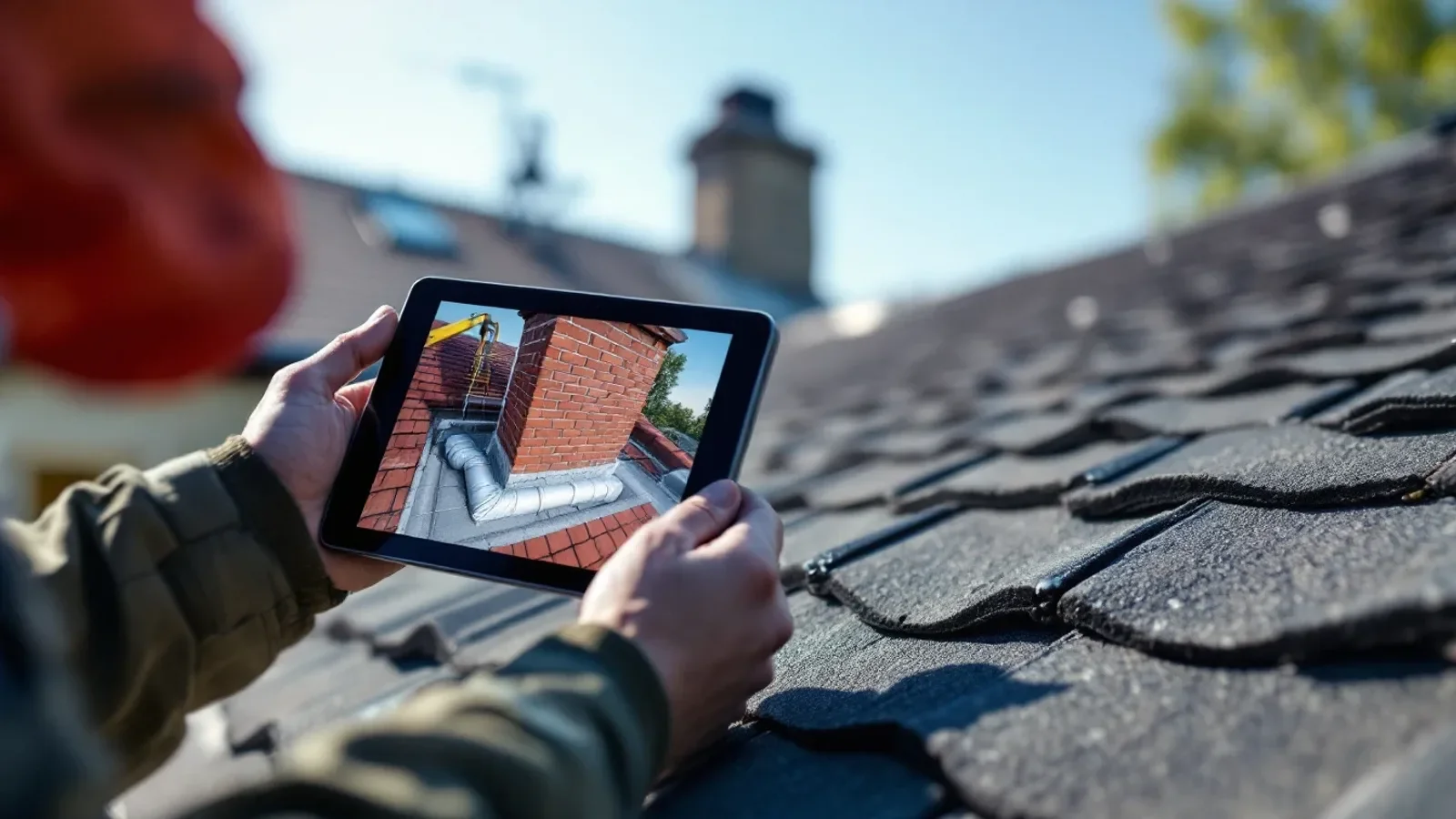
A Level 1 inspection, the standard annual check, covers accessible portions of the system: the firebox, the connector pipe, the liner from the top, and the exterior chimney structure. The technician uses a flashlight and mirror at minimum, and many now use a closed-circuit camera that runs through the liner to document conditions from top to bottom.
A Level 2 inspection goes further and is required any time there has been a change to the system, such as a new stove insert being installed, or after any event like a chimney fire or a real estate transaction. Nation Wide Chimney Sweep and Repair serves Milpitas homeowners with both inspection levels, and the inspection findings drive the cleaning scope, so you’re not paying for services the flue doesn’t need.
Signs of a Past Chimney Fire You May Have Missed
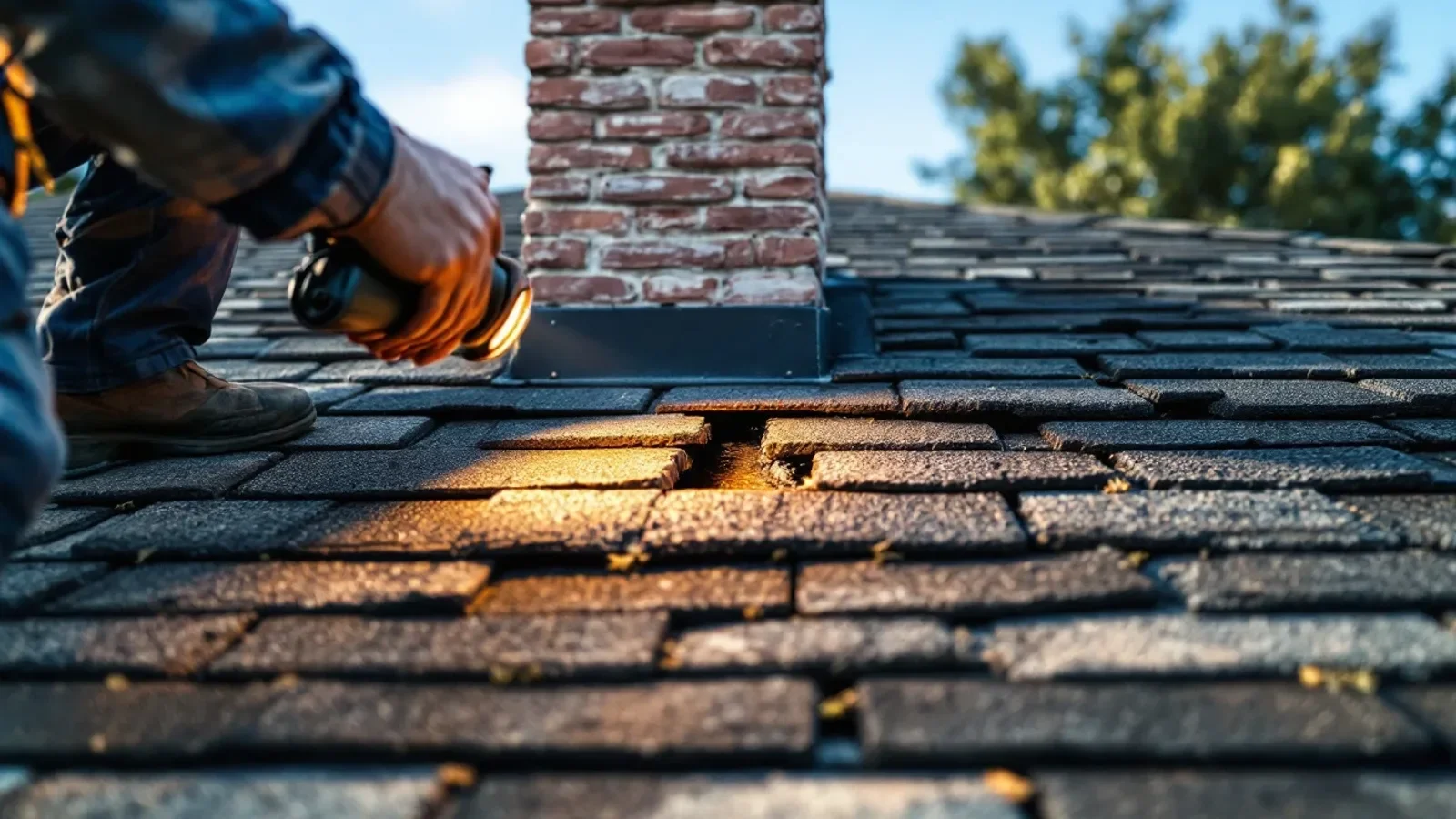
Small chimney fires sometimes go unnoticed by homeowners. They may burn out quickly without producing visible flames above the roofline. Indicators that a past event may have occurred include: puffy, honey-combed creosote deposits (a sign that creosote burned and re-deposited), warped or discolored metal liner sections, cracks in the liner visible on camera, or a damaged or discolored chimney cap. Any of these findings during an inspection should trigger a full evaluation before the stove is used again.
What the Chimney Sweep Process Actually Involves for a Stove Insert
Preparation and Access
A professional service call for a wood stove insert typically begins with protecting the interior space. Drop cloths go down around the stove and hearth. The technician will disconnect or open the stove’s access panel to reach the connector pipe and the liner entry point from below, while a second access point is established at the top of the chimney.
The liner diameter is confirmed, usually by referencing the installation documentation or by measuring directly, so the correct brush size is selected. Using an undersized brush leaves deposits on the walls; an oversized brush can damage a flexible liner.
The Cleaning Sequence
For most residential liner systems, the technician works from the top down. The brush, attached to flexible rods, is fed into the liner from the chimney crown and worked up and down to dislodge deposits. A vacuum system at the bottom captures the debris as it falls, preventing it from spreading through the home.
After the liner is cleared, the connector pipe section is cleaned separately, as is the smoke chamber area where the liner meets the firebox. The stove’s internal baffles and firebox are inspected, though full stove servicing, such as replacing gaskets or door seals, may be a separate scope depending on what the inspection finds.
The technician then performs a visual or camera inspection of the cleaned liner to confirm the deposit has been removed and to check for any liner damage, cracks, or separation at the joints. That documentation is important: it’s your record of the flue’s condition at the time of service.
What Happens If Stage-Three Creosote Is Found
Glazed creosote doesn’t respond to brushing alone. If the inspection or pre-cleaning assessment identifies stage-three deposits, the technician will typically apply a chemical treatment first. These products convert the hard glaze into a more brittle, brushable form, usually requiring a waiting period of one or more burns before mechanical cleaning proceeds. Nation Wide Chimney Sweep and Repair can walk you through this process if it applies to your flue, so there are no surprises about what the service involves or how many visits it may require.
Comparing Key Aspects of Stove Insert vs. Open Fireplace Chimney Service
| Aspect | Wood Stove Insert with Liner | Traditional Open Masonry Fireplace |
|---|---|---|
| Flue type | Stainless steel flexible or rigid liner | Masonry tile or poured liner |
| Brush sizing | Must match liner interior diameter exactly | Matched to flue tile dimensions |
| Access points | Top of chimney plus stove connector | Top of chimney plus firebox |
| Creosote stage risk | Higher risk with low-smolder burns | Moderate, depends on wood type and draft |
| Inspection camera use | Strongly recommended; liner interior not visible otherwise | Recommended; some sections visible without camera |
| Stage-3 treatment | Chemical pre-treatment often needed | Less common but possible |
| Liner damage risk | Joints and flex sections can separate over time | Tile cracking from thermal cycling |
Keeping Your Stove Running Safely Between Professional Visits
Burn Practices That Reduce Buildup
The single most effective thing a Milpitas homeowner can do between chimney services is burn dry, seasoned hardwood at adequate temperatures. A stove thermometer mounted on the connector pipe, typically reading flue gas temperature, helps you keep the fire in the efficient range rather than smoldering. Most stove manufacturers specify an ideal operating temperature range in their documentation.
Starting fires with small, dry kindling and building up to larger splits before adding the main fuel load gets the liner up to temperature faster, which reduces the condensation window where creosote forms. Once the fire is established, avoid closing the air supply down so far that the flame dies back to a smolder.
Simple Checks You Can Do Safely
Between service visits, there are a few observations any homeowner can make without tools or risk:
- Check the chimney cap from the ground with binoculars after windy weather. Debris or a dislodged cap can block the flue and create a carbon monoxide hazard.
- Look at the stove door gasket periodically. A worn or compressed gasket allows air leaks that affect combustion efficiency and can accelerate buildup. Replacing a door gasket is a straightforward task covered in most stove owner’s manuals.
- Test your carbon monoxide detectors monthly. A functioning CO detector is a non-negotiable safety item in any home with a solid fuel appliance.
Anything beyond these surface checks, including opening the liner cleanout, inspecting the flue from the roof, or evaluating the chimney cap condition up close, should be left to a licensed professional. Heights and confined flue work carry real risks.
When to Call Before the Annual Visit
Annual service is the baseline, but some situations call for a call to Nation Wide Chimney Sweep and Repair in Milpitas outside the normal schedule. If you notice a sudden change in how the stove drafts, hear unusual sounds from the chimney during a burn (a roaring or rushing sound can indicate an active flue fire), or detect the strong creosote odor described earlier, schedule an inspection promptly rather than waiting for the next season’s appointment. Chimney services are most valuable when they catch problems before they escalate.
Frequently Asked Questions
Does a wood stove insert need a different type of chimney sweep than a regular fireplace?
Yes, in practical terms. The liner system in a stove insert requires brushes sized to the liner’s interior diameter, not the masonry flue dimensions. The cleaning also involves the connector pipe section and may require camera inspection of the enclosed liner. A technician experienced with insert systems will confirm the liner specs before beginning work.
How do I know if my stove’s liner needs replacing rather than just cleaning?
A camera inspection during or after cleaning can reveal cracks, separated joints, or corrosion in the liner. These findings indicate repair or relining is needed. Signs you might notice yourself include visible rust staining on the exterior chimney, draft problems that persist after cleaning, or a technician’s report of liner damage. Relining is a separate service from cleaning, and the inspection findings guide that recommendation.
Can I burn wood in my Milpitas stove insert during Spare the Air days?
The Bay Area Air Quality Management District issues Spare the Air alerts that restrict wood burning, including stove inserts, on days when air quality is forecast to be unhealthy. Burning on those days can result in fines. Check the BAAQMD’s current alert status before lighting your stove. Requirements and exemptions vary, so reviewing the current rules directly with the district is the most reliable approach.
What is the difference between a Level 1 and Level 2 chimney inspection?
A Level 1 inspection covers all accessible portions of the chimney system and is appropriate for routine annual service when nothing about the system has changed. A Level 2 inspection is more thorough, often including camera documentation of the flue interior, and is required after any change to the system (new insert, new liner), after a real estate transaction, or following any event like a chimney fire or severe weather damage.
How long does a chimney sweep appointment take for a wood stove insert?
Most residential stove insert cleaning appointments run between one and two hours, depending on the level of buildup found, the liner length, and whether a camera inspection is included. If stage-three creosote is present and requires chemical treatment, a follow-up visit will be needed after a waiting period, so the total timeline extends beyond a single appointment.
Conclusion
Wood-burning stove inserts bring real warmth and efficiency to Milpitas homes, but they ask more of your chimney system than a casual fireplace use pattern. Annual professional service, matched to your actual burn habits, is the most reliable way to keep creosote from reaching the stages where it becomes a genuine hazard. If it has been more than a year since your last inspection, or if you’ve noticed any of the warning signs covered here, take the next step and schedule your chimney sweep appointment today.