The Milpitas Homeowner’s Complete Guide to Chimney Cleaning and Sweep Standards
Most Milpitas homeowners only think about their chimney when something goes wrong. A smoky living room, a strange odor, or a neighbor mentioning a chimney fire down the street suddenly makes it feel urgent. The truth is, understanding what a proper chimney cleaning and sweep actually involves, and what industry standards govern that work, puts you in a far stronger position before anything goes wrong. This guide covers exactly that.
Why Milpitas Chimneys Have Specific Maintenance Needs
The Bay Area Climate Factor
Milpitas sits at the southern end of San Francisco Bay, which means fireplaces here see a different pattern of use than homes in colder climates. Many residents light their fireplaces only a handful of times each season, typically during the cooler months from November through February. Infrequent use does not eliminate the need for cleaning. In fact, a chimney that sits dormant for long stretches can accumulate moisture, debris from surrounding oak and eucalyptus trees, and even animal nesting material that creates blockages just as problematic as creosote buildup.
Seismic Considerations Unique to This Region
The Bay Area sits on active fault lines, and Milpitas is no exception. Minor seismic events, even ones residents barely notice, can shift mortar joints in a masonry chimney, crack flue tiles, or loosen the firebox lining. These structural changes are not visible from the fireside. A chimney sweep who follows proper inspection protocols will check for these shifts as part of the standard process, not as an add-on. This is one reason why the cleaning appointment and the inspection are best treated as a single service visit, not two separate tasks.
Local Burning Regulations and Wood Choice
The Bay Area Air Quality Management District issues Spare the Air alerts that restrict wood burning on certain days. When residents burn only on permitted days, they often burn more intensely during those windows, which can accelerate creosote formation. The type of wood also matters significantly. Hardwoods like oak produce less residue than softer or unseasoned wood. When wood has not been properly dried, the incomplete combustion leaves behind a heavier, stickier creosote deposit that requires more thorough removal.
What a Professional Chimney Sweep Actually Does
The NFPA 211 Standard: What It Requires
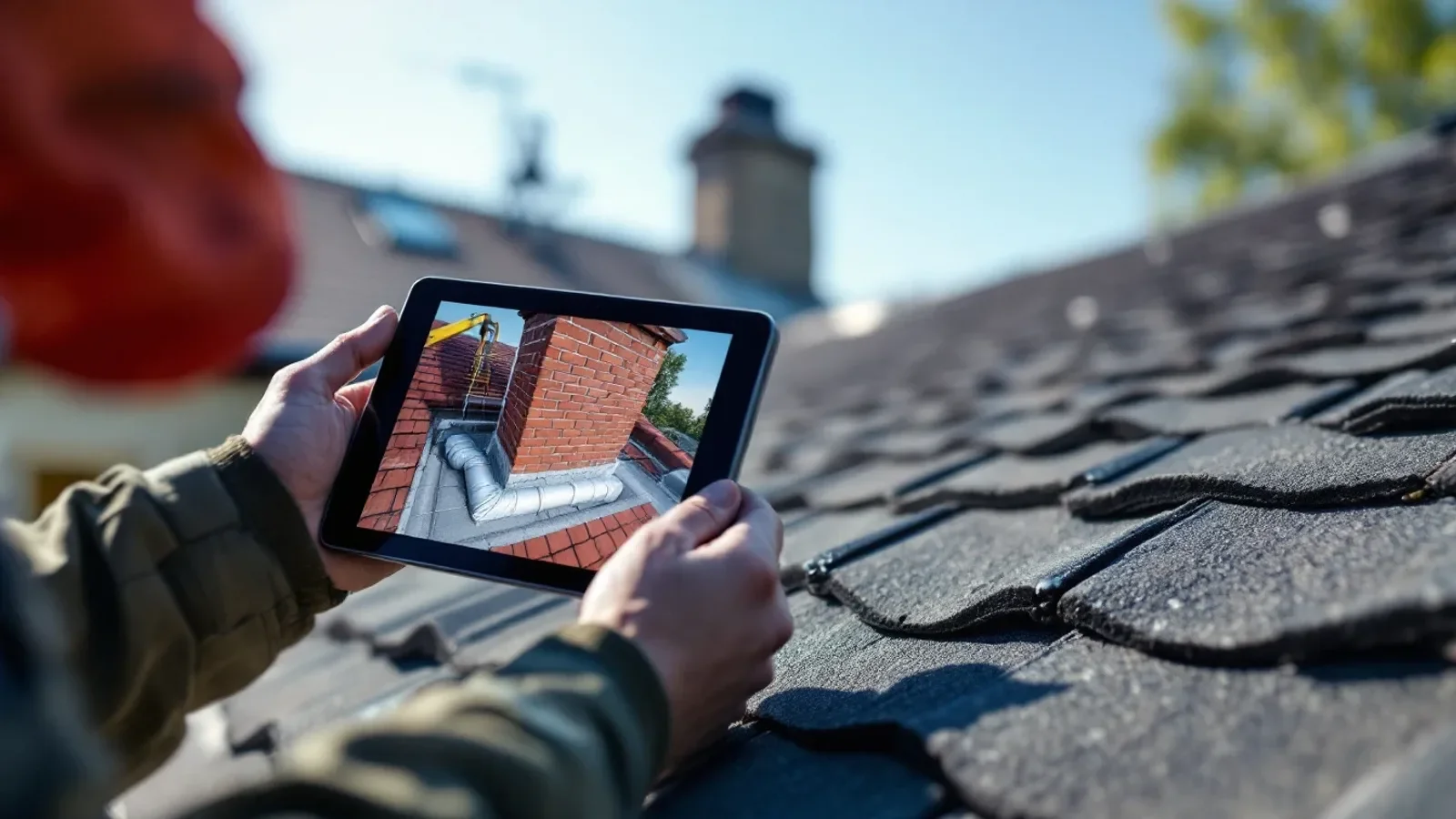
NFPA 211, the Standard for Chimneys, Fireplaces, Vents, and Solid Fuel-Burning Appliances, is the benchmark that licensed professionals follow. It defines three levels of chimney inspection, each with specific scope requirements. A Level 1 inspection covers the readily accessible portions of the chimney interior and exterior. A Level 2 inspection, which includes video scanning of the flue, is required any time there has been a change in the system, a property transaction, or a known event like a chimney fire or earthquake. A Level 3 inspection involves opening up portions of the structure and is reserved for situations where a hidden hazard is suspected.
Understanding these tiers helps you ask the right questions. If you have not had the chimney serviced since purchasing your Milpitas home, a Level 2 inspection is the appropriate starting point, not a basic sweep.
The Cleaning Process Step by Step
A thorough chimney sweep follows a consistent sequence. Here is what a qualified technician from Nation Wide Chimney Sweep and Repair covers during a standard cleaning visit:
- Pre-work protection: Drop cloths and a HEPA-filtered vacuum system are set up around the firebox opening to contain soot and debris inside the work zone.
- Firebox and smoke chamber inspection: The technician examines the firebox walls, smoke shelf, and smoke chamber for cracks, spalling, or deterioration before any brushing begins.
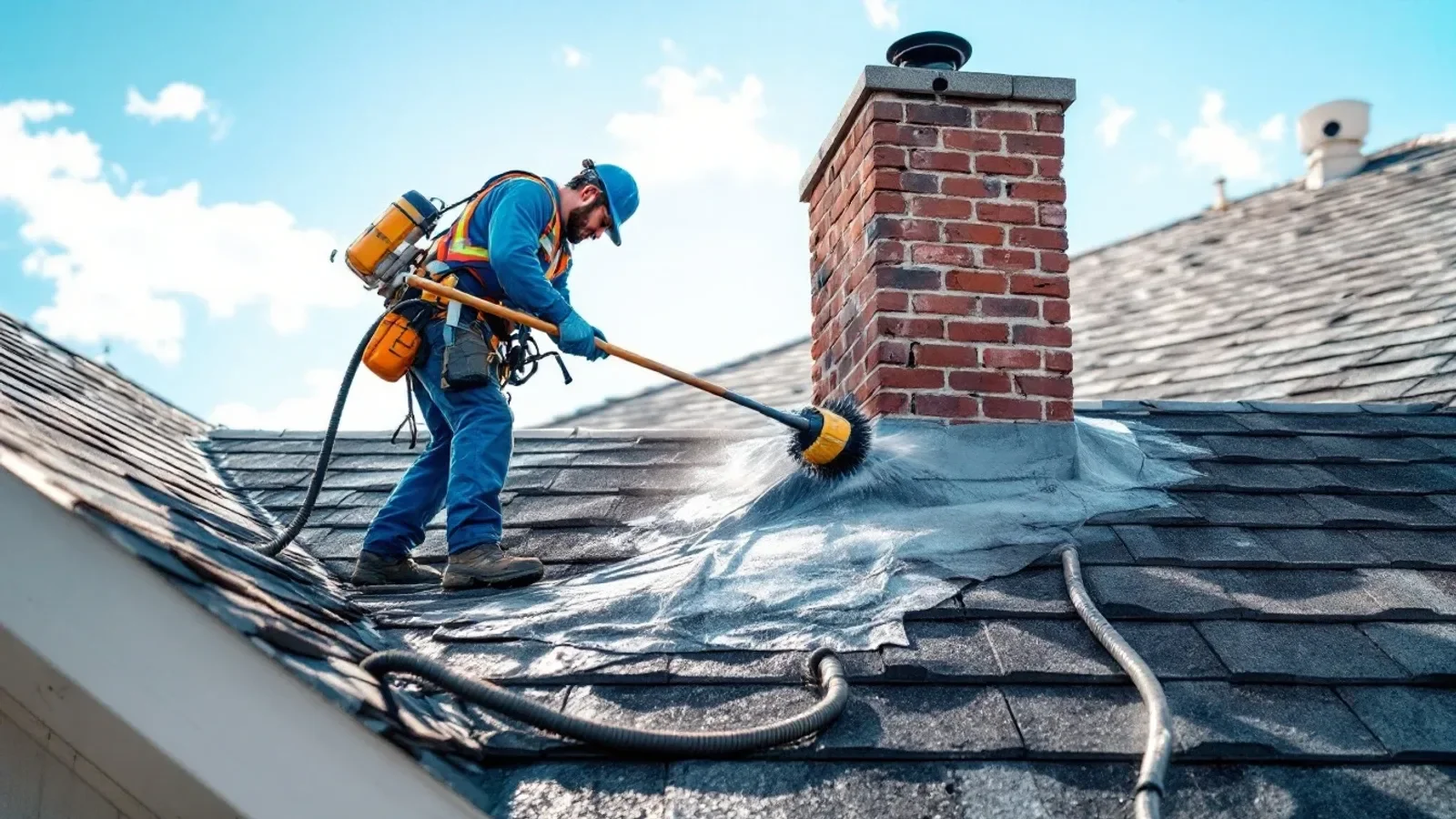
- Flue brushing: Rotary or wire brushes sized to the specific flue dimensions are worked from the top down (or bottom up, depending on the system) to dislodge creosote, soot, and debris from the flue liner walls.
- Debris removal: Loosened material falls to the smoke shelf and firebox, where it is vacuumed out with the containment system already in place.
- Damper and smoke shelf cleaning: The damper plate and smoke shelf, which collects falling debris year-round, are cleared separately.
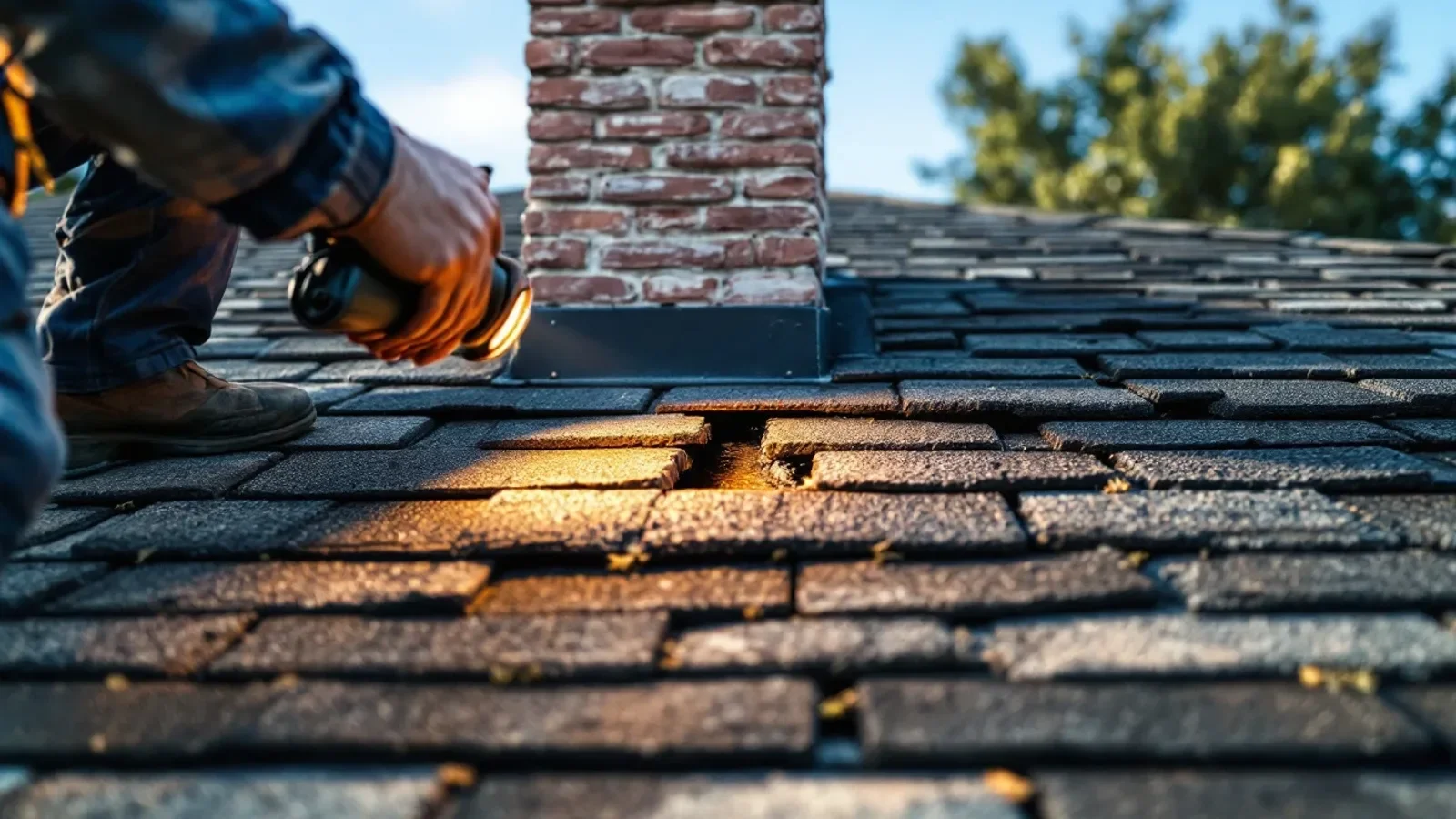
- Exterior crown and cap check: The technician inspects the chimney crown for cracking, the cap screen for blockage or corrosion, and the flashing at the roofline for separation.
- Documentation: Findings are reported to the homeowner, with any repair needs noted clearly.
Creosote Degrees and Why They Matter
Not all creosote is the same. The industry recognizes three degrees of buildup, and the cleaning method changes depending on which degree is present.
- First-degree creosote is a light, dusty or flaky soot. Standard brushing removes it easily.
- Second-degree creosote is a harder, tar-like coating that requires more aggressive rotary brushing or chemical treatment before mechanical removal.
- Third-degree creosote is a dense, glazed, highly combustible layer. Standard brushes will not remove it. Specialized chemical treatments are applied first to convert the glaze into a more friable form, followed by mechanical cleaning. In some cases, relining the flue is the safest resolution.
A technician who does not assess the degree of buildup before starting cannot give you an accurate picture of what the job involves. This is a reasonable question to ask before work begins.
Chimney Inspection Levels: Matching the Right Scope to Your Situation
When a Level 1 Is Sufficient
For a Milpitas homeowner who uses the fireplace regularly, has it serviced annually, burns only seasoned hardwood, and has not experienced any unusual events, a Level 1 inspection paired with a standard cleaning is the appropriate annual maintenance. The technician visually examines all accessible areas without specialized equipment.
When You Need to Step Up to Level 2
Several specific circumstances call for a Level 2 inspection. Buying or selling a home is the most common trigger. Any chimney fire, even a small one you may not have recognized as such (a roaring sound in the flue, excessive heat at the firebox), warrants a Level 2. So does any notable seismic activity in the area. A Level 2 uses video scanning equipment to examine the full interior of the flue, including sections that are not accessible any other way. This is where cracked flue tiles, separated liner sections, and hidden obstructions get found.
Nation Wide Chimney Sweep and Repair provides chimney inspection services that cover all three NFPA levels, so the scope can be matched to what your specific situation actually requires.
Reading the Inspection Report
A written inspection report should clearly distinguish between conditions that are safety hazards requiring immediate attention and conditions that are maintenance items to monitor. Vague language like “chimney needs work” is not useful. Ask for specifics: which component, what the finding is, and what the recommended repair involves. This gives you the information to make a good decision rather than simply responding to pressure.
Chimney Cleaning Frequency: The Standard Is Not One-Size-Fits-All
The Annual Cleaning Guideline and Its Nuances
The widely cited recommendation is to have a chimney cleaned and inspected at least once per year. That guideline comes from NFPA 211 and applies to any chimney in active use. But “active use” in Milpitas might mean five fires a season for one household and fifty for another. The relevant trigger is not just the calendar but the level of buildup. A chimney used very lightly may accumulate more animal debris and moisture damage than creosote, while a chimney used heavily during Spare the Air-permitted windows may build up creosote faster than the annual schedule addresses.
Signs That Cleaning Is Overdue
Between scheduled service visits, several observable signs suggest the chimney needs attention sooner rather than later:
- Smoke entering the room when the damper is open and the fire is established
- A persistent smoky or acrid odor in the room even when the fireplace is not in use
- Visible black or dark brown deposits on the damper or smoke shelf visible from the firebox opening
- Reduced draft, meaning the fire struggles to draw properly
- Sounds of animals in the flue (birds, raccoons, or squirrels entering through a damaged or missing cap)
Any of these warrants a service call, not just a note to schedule at the usual time.
New Homebuyers in Milpitas: Start Here
If you recently purchased a home in Milpitas, the previous owner’s maintenance history is often unknown or undocumented. A Level 2 inspection before the first use of the fireplace is the responsible starting point. This is not a reflection of the previous owner’s care. It is simply the only way to establish a reliable baseline for a system that is partially hidden inside the structure of the home.
Comparing Chimney Sweep Service Scopes: What to Look For
| Service Component | Basic Sweep | Full-Service Cleaning | Full-Service + Level 2 Inspection |
|---|---|---|---|
| Flue brushing and vacuuming | Yes | Yes | Yes |
| Firebox and smoke chamber check | Visual only | Yes | Yes |
| Damper and smoke shelf cleaning | Sometimes | Yes | Yes |
| Exterior crown and cap inspection | Sometimes | Yes | Yes |
| Video flue scanning | No | No | Yes |
| Written inspection report | Rarely | Sometimes | Yes |
| Creosote degree assessment | No | Yes | Yes |
| Seismic damage check | No | Partial | Yes |
This comparison illustrates why the scope of service matters as much as the appointment itself. A basic sweep that skips the smoke chamber, damper, and exterior check leaves a significant portion of the system unexamined.
What Chimney Repair Needs Often Get Found During Cleaning
Flue Liner Damage
Cracked or spalled clay tile liners are among the most common findings during a thorough cleaning visit. The liner’s job is to contain combustion gases and heat within the flue, protecting the surrounding masonry and framing. A crack does not mean the fireplace is immediately unusable, but it does mean the system is no longer performing as designed. Depending on the extent of the damage, options include repointing individual joints, installing a stainless steel liner, or applying a cast-in-place liner system. The right solution depends on the flue dimensions, the type of appliance, and the degree of deterioration.
Mortar Joint Deterioration
The mortar between chimney bricks weathers over time, particularly on the exposed exterior above the roofline. In Milpitas, the combination of Bay Area fog, occasional heavy rain, and the thermal cycling of a working fireplace accelerates this process. Tuckpointing, which replaces deteriorated mortar with fresh material, is a routine repair that prevents water infiltration from reaching the interior flue structure. Catching it early keeps it a manageable maintenance task rather than a structural issue.
Chimney Crown and Cap Problems
The chimney crown is the concrete or mortar cap that covers the top of the masonry chimney, leaving only the flue opening exposed. It directs water away from the flue and the brick below. Cracks in the crown allow water to enter, which then freezes, expands, and widens those cracks over successive seasons. A chimney cap, the metal cover over the flue opening itself, keeps rain, debris, and animals out. A missing or damaged cap is one of the most straightforward problems to fix and one of the most consequential to ignore.
Nation Wide Chimney Sweep and Repair handles the full range of these chimney repair needs, so findings from a cleaning visit can be addressed by the same qualified team without coordinating a separate contractor.
How to Evaluate a Chimney Sweep Provider in Milpitas
Credentials and Affiliations That Matter
The Chimney Safety Institute of America (CSIA) offers a Certified Chimney Sweep credential that requires passing a technical examination and ongoing continuing education. The National Chimney Sweep Guild (NCSG) is the primary trade association for the industry. Neither affiliation guarantees perfect work, but both signal that a technician has invested in formal training beyond on-the-job experience alone. It is a reasonable question to ask before booking.
Questions Worth Asking Before the Appointment
A few direct questions reveal a lot about how a provider approaches the work:
- What does your standard cleaning include, specifically?
- Do you assess the degree of creosote buildup before starting?
- Will I receive a written report of findings?
- Are you licensed and insured to work in California?
- What inspection level do you recommend for my situation, and why?
A technician who answers these questions clearly and without pressure is demonstrating the kind of transparency that makes for a trustworthy service relationship.
Red Flags to Recognize
A few patterns are worth noting. An estimate given without any information about the chimney’s current condition is a guess, not a quote. A technician who cannot explain what they found in plain language after completing a cleaning is not serving you well. And a provider who recommends an extensive repair scope on a first visit without offering documentation or a second opinion option deserves scrutiny. Good chimney service is transparent about what was found, why it matters, and what the options are.
Frequently Asked Questions
How often should a Milpitas homeowner schedule chimney cleaning?
At minimum, once per year for any chimney in active use. Heavier use, burning of lower-quality wood, or any unusual events like a chimney fire or earthquake should prompt an additional inspection outside the annual schedule.
Is a chimney sweep the same thing as a chimney cleaning?
The terms are often used interchangeably, but technically a chimney sweep refers to the professional and the act of brushing the flue, while chimney cleaning encompasses the full scope of removing deposits, clearing the smoke chamber and shelf, and vacuuming debris. A thorough cleaning appointment includes the sweep work plus the additional components.
What is creosote and why is it a concern?
Creosote is the byproduct of incomplete wood combustion that deposits on the interior walls of the flue. It is combustible. In sufficient quantity, particularly in its second- and third-degree forms, it can ignite and cause a chimney fire that reaches temperatures high enough to crack the liner and ignite adjacent framing. Regular cleaning keeps buildup at levels that reduce this risk.
Do gas fireplaces need chimney cleaning too?
Gas fireplaces do not produce creosote, but their venting systems still require inspection. Blockages from debris or animal nesting, deterioration of the flue liner, and problems with the gas logs or burner assembly are all legitimate concerns. An annual inspection is still appropriate, even if the cleaning component is less intensive than for a wood-burning system.
What happens if I skip chimney maintenance for several years?
Skipping maintenance does not make problems disappear; it allows them to compound. Light creosote becomes heavy creosote. A small crown crack becomes a water infiltration problem. A slightly loose cap becomes a missing cap after a windy season. Catching issues early consistently results in simpler, less disruptive repairs than addressing the same issues after years of progression.
Can I inspect my own chimney before calling a professional?
You can check a few things safely from ground level: look for visible cracks in the exterior masonry, confirm the cap is present and appears intact, and check the firebox interior with a flashlight for obvious debris or deterioration. However, the critical portions of the flue, the smoke chamber, and the crown are not safely or thoroughly assessable without proper equipment and training. A visual check from the fireside is a starting point, not a substitute for a professional inspection.
Conclusion
Milpitas homeowners who understand what a proper chimney cleaning and sweep involves are better equipped to maintain a safe, functional fireplace and to recognize when the work being offered matches the standard it should meet. The combination of Bay Area climate patterns, seismic activity, and local burning regulations makes this a service area with genuinely specific considerations, not just a generic annual checkbox. When you are ready to get your chimney on a reliable maintenance schedule, schedule your chimney cleaning with Nation Wide Chimney Sweep and Repair and let a qualified technician give you a clear, documented picture of exactly where your system stands.